The Indonesian government will officially deactivate social media accounts owned by children under the age of 16 starting March 28, 2026, to create a safer digital environment. This policy encourages parents to shift from simply monitoring screen time to redirecting digital activities toward more educational pursuits, such as interactive learning apps and logic development.
Why Restricting Children's Digital Access is Urgent
This firm step by the government was not taken without cause. For years, platforms like TikTok, YouTube, and Roblox have served as primary "digital playgrounds." However, this easy access carries real risks that often escape parental supervision.
Impact of Content Exposure and Addiction Risks
Child psychologists emphasize that exposure to age-inappropriate content can significantly affect emotional development. Furthermore, social media algorithms are designed to trigger dopamine hits, leading to screen addiction. Without clear boundaries, children risk losing valuable time for real-world socialization and proper rest.
International Digital Safety Standards
Indonesia's policy aligns with global trends, such as the General Data Protection Regulation (GDPR) in Europe, which sets minimum age limits for processing personal data. The focus is on protecting children's privacy from data exploitation and ensuring they are not exposed to manipulative digital interactions from an early age.
Transforming Consumption into Digital Creation
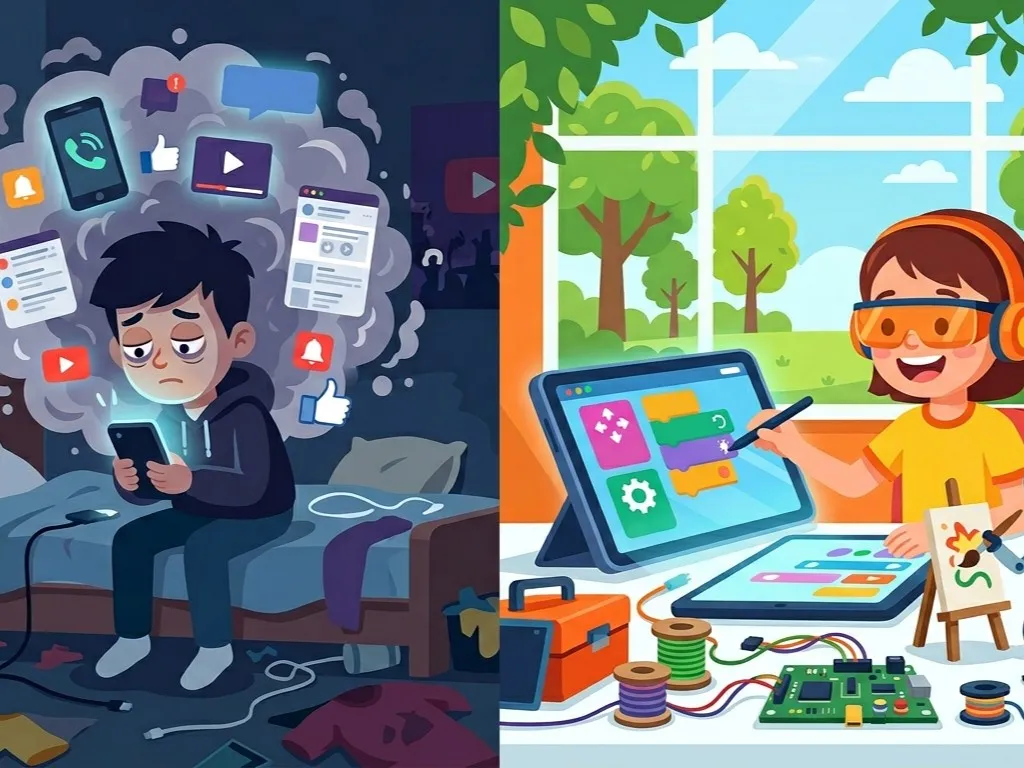
Blocking social media doesn't mean cutting children off from technology. Instead, it is the perfect time for parents to introduce high-value digital skills that are essential for the future.
Mastering the Most Needed Skills of the 21st Century
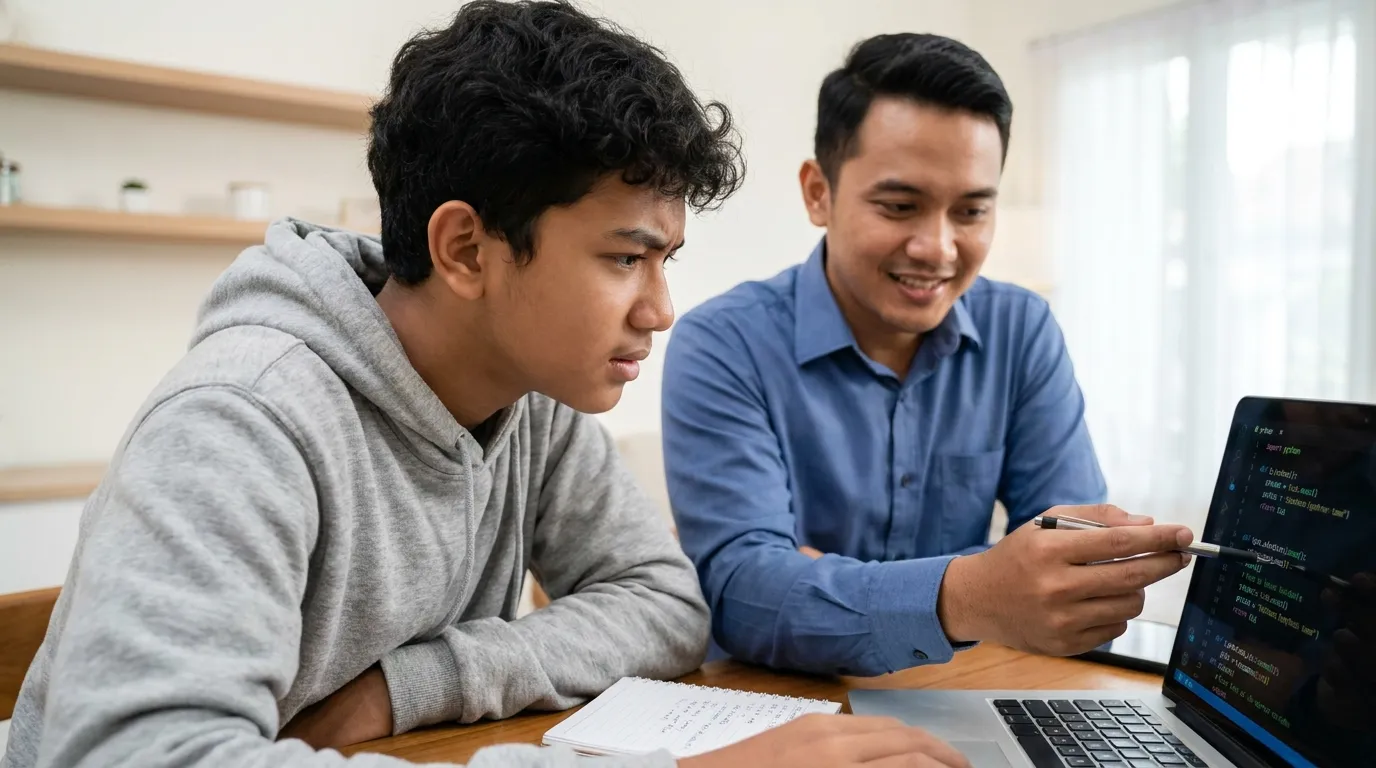
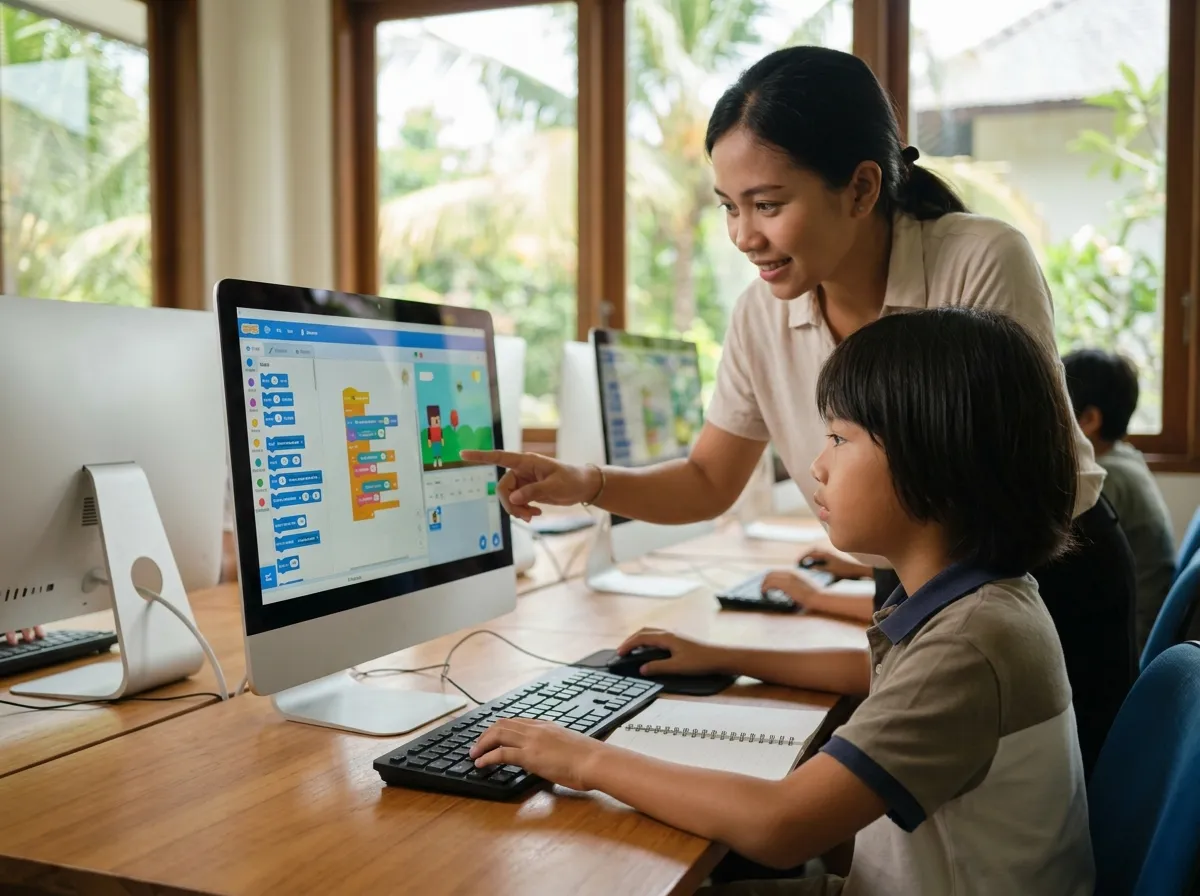
According to the World Economic Forum, complex problem-solving, critical thinking, and creativity are the top three skills needed to thrive in future industries. Rather than just consuming other people's content, children can be guided to learn coding or robotics logic. These activities transform children from passive consumers into technology creators.
Parental Guidance as the Foundation
Technology remains a fun learning tool if there is proper guidance. Parents can take several practical steps:
Open Discussion: Explain why internet safety matters, rather than just issuing bans.
Lead by Example: Show wise and productive gadget use in front of your children.
Structured Curriculum: Choose learning platforms with clear curriculum standards so that children's logical development is measurable.
Frequently Asked Questions (FAQ)
1. What happens to children's social media accounts after March 28, 2026? All social media accounts identified as belonging to children under the age of 16 will be automatically deactivated by the respective platforms in accordance with the new government regulation.
2. Does this mean children are not allowed to use technology at all? Not at all. This policy only restricts social media use. Children are highly encouraged to continue interacting with technology through educational platforms, language learning apps, or creative development software.
3. What is the best way to redirect a child's social media habits? Parents can start introducing new, more beneficial digital hobbies, such as learning to create simple animations or building educational robots, which still feel like play but offer long-term benefits.
This new policy is the first step toward a brighter future for our children. Let’s use this momentum to equip them with real technological skills. If you want your child to be a creator of future innovations rather than just a spectator, start their coding and robotics journey with us at