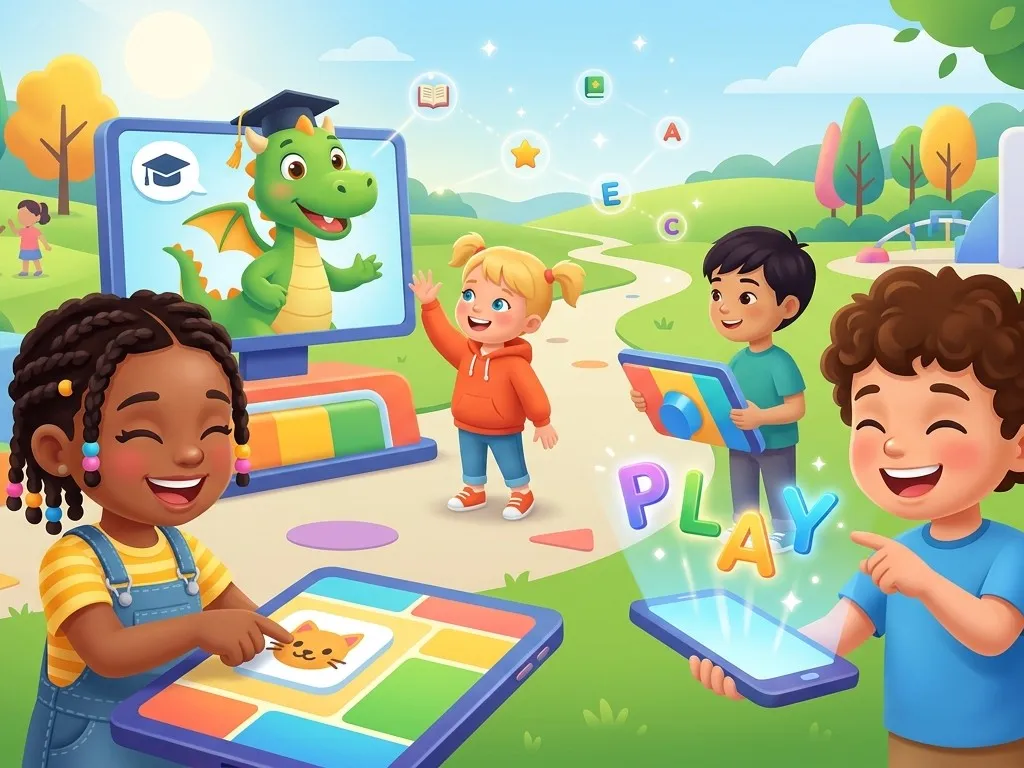
Learning English from an early age is most effectively achieved through four main interactive platforms: Lingokids, Duolingo ABC, Khan Academy Kids, and LearnEnglish Kids. These apps stand out as the best solutions because they combine playlearning methods with a phonics-based approach, proven to help children absorb new vocabulary and correct pronunciation without feeling like they are sitting in a boring classroom.
Why Start Learning at an Early Age?
Childhood is often referred to as the "golden age" for learning a new language. During this phase, a child's curiosity is at its absolute peak. They find it much easier to mimic accents and remember new words through interactive songs or games.
Furthermore, in today's era, English is no longer just a trend, but a future skill investment. According to global literacy standards from various educational institutions, mastering cross-lingual communication is a crucial foundation. Research evidence shows that children introduced to foreign languages early on develop better cognitive skills, making them more prepared to access global knowledge later in life.
Interactive Platform Recommendations for Children
Luckily, today's digital technology makes it much easier to provide children with high-quality foreign language exposure. Here is a lineup of the best apps you should definitely try out:
Lingokids and its Adaptive Learning System
Designed specifically for children aged 2–8, this app features over 3,000 highly engaging activities. Its main strength lies in its adaptive learning system—where the difficulty level automatically adjusts to the child's learning pace. The playlearning approach, developed by Lingokids alongside Oxford University Press, is academically proven to not only hone language skills but also boost creativity and social skills.
Duolingo ABC Focuses on the Phonics Method
If your main goal is to get your 3 to 8-year-old reading and spelling fluently, this is the answer. With a level system that feels just like a game, kids will definitely love playing it. Based on literacy studies, the phonics method used by Duolingo ABC is educationally proven to help children recognize letter sounds with much greater precision compared to traditional memorization methods.
Khan Academy Kids Provides Quality Free Access
For parents looking for a comprehensive, 100% free, and ad-free educational platform, Khan Academy Kids is the gold standard. Developed with early childhood education experts from Stanford University, this app provides thousands of digital books and interactive videos. The material is highly substantial, ranging from basic letter recognition to more complex reading comprehension for ages 2–8.
LearnEnglish Kids with British Council Standards
This app is aimed at children aged 4–10 and brings international curriculum standards straight from the experts: the British Council. Its main advantage is heavily emphasized on pronunciation and listening exercises. Through animated videos and stories with clear accents, children are habituated to understanding English sentence structures accurately and naturally.
Tips for Guiding Children Using Learning Apps
To ensure screen time isn't wasted and remains effective, here are some practical tricks you can easily apply at home:
-
Age Appropriateness: Make sure the difficulty level is just right so kids don't easily get bored or frustrated.
-
Choose Fresh Visuals: Bright colors and cute animations are crucial to holding your little one's focus so they don't lose interest.
-
Manage Learning Duration: Child psychology studies recommend a duration of 10–15 minutes per day. Short but consistent daily learning sticks in the brain much better than studying for hours but only once a week.
-
Track Their Progress: Don't forget to utilize the progress report feature to monitor which words your child has successfully mastered.
Frequently Asked Questions (FAQ)
1. When is the best time to start using English learning apps?
The most ideal time is from 2 to 3 years old. During this age range, children are highly active in absorbing information and mimicking sounds and words from their surroundings.
2. Can these apps replace the role of parents?
Certainly not. These apps act as interactive supporting media. A parent's presence and guidance remain the key to encouraging children to practice new vocabulary in daily conversations.
3. How long is a safe screen time limit for children?
Health experts suggest a fairly short duration, ideally around 15 minutes per session. The goal is to prevent eye strain and keep their concentration fully maintained while learning.
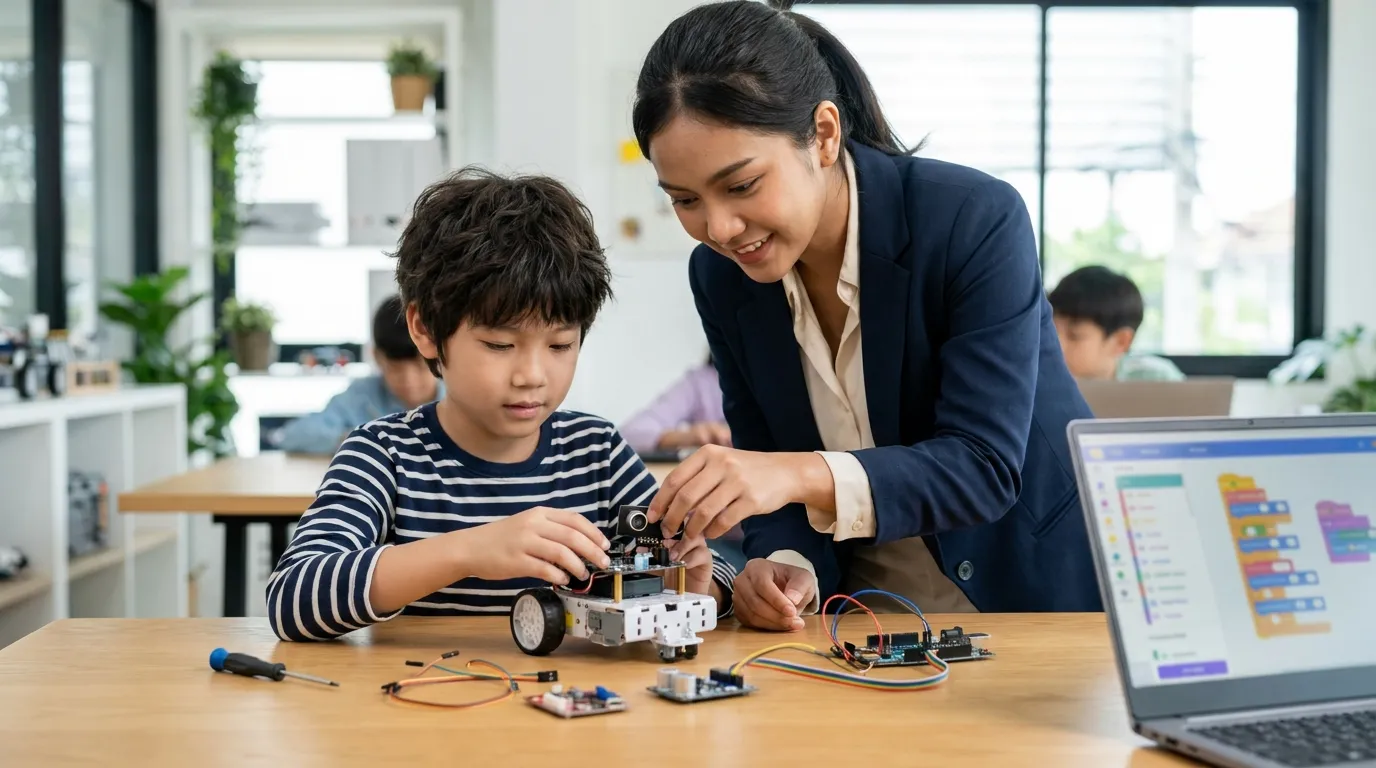
Once your child is proficient in English and accustomed to using technology positively, it is the perfect time to introduce them to other essential future skills. Besides language, logical thinking and problem-solving skills are incredibly important to sharpen early on. Let's equip your little one's future by learning fun coding and robotics at Koding Akademi right now!