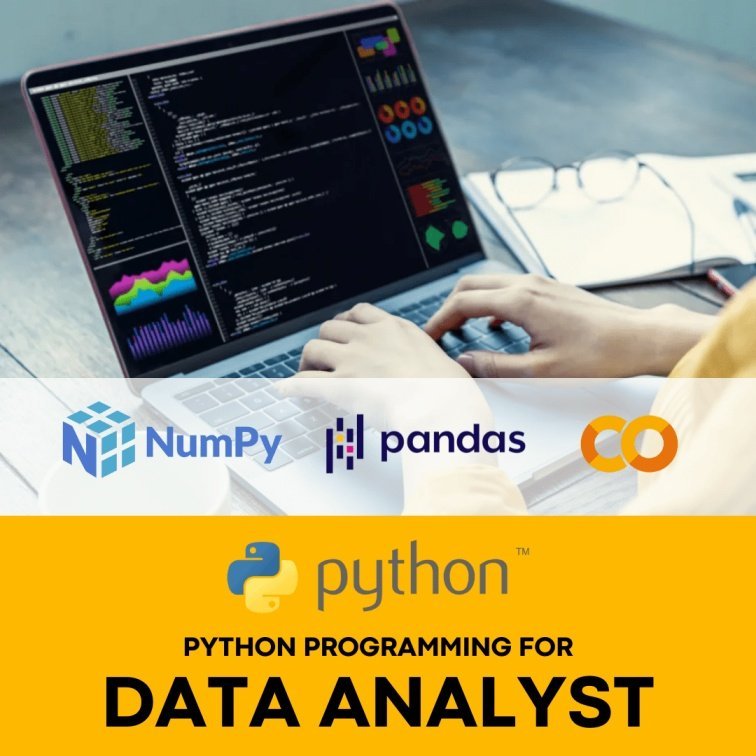
Becoming a professional Data Scientist requires a combination of Python programming proficiency, SQL mastery for database management, and a deep understanding of statistics and business logic. With this foundation, you can transform raw data into valuable insights capable of driving strategic decisions, improving digital campaign efficiency, and accurately predicting future market trends.
Essential Technical Foundations
Mastering Python and SQL Integratively
The first step is choosing the right programming language. Python has become the international standard curriculum in the data science world due to its incredibly rich library ecosystem, such as Pandas for data manipulation and Scikit-Learn for modeling. Besides Python, an understanding of SQL is non-negotiable. Almost all large enterprise data is stored in relational databases, so the ability to independently extract and filter data (querying) is the most in-demand skill by the industry today.
Deepening Statistics for Analytical Accuracy
Do not just run code; you must understand the logic behind it. Statistics is the main "engine" in data analysis. Grasping concepts of probability, data distribution, and hypothesis testing will ensure that the models you build do not just output numbers, but provide scientifically valid results. Without a strong statistical foundation, a data practitioner risks drawing incorrect conclusions (bias) from the available data.
Transforming Data into Business Value
The Art of Data Communication Through Creative Visualization
Complex numbers will lose their meaning if laypeople cannot understand them. That is why data visualization is highly crucial. Using tools like Matplotlib, Seaborn, or interactive dashboard software helps you translate technical findings into compelling stories for stakeholders. The ability to tell stories through data (data storytelling) is the differentiating factor between an ordinary data scientist and one who can deliver a real impact on company profitability.
Implementing Machine Learning for Predictive Solutions
At an advanced stage, you will learn to build machine learning models to predict future outcomes. For example, in the digital marketing world, you can predict consumer behavior or optimize ad budget allocation based on historical performance. An understanding of regression, classification, and clustering algorithms allows you to create automated systems that work smarter than conventional manual analysis.
Frequently Asked Questions (FAQ)
Do I need to have an IT educational background?
Not necessarily. Many successful Data Scientists come from mathematics, economics, or even social science backgrounds. The key is a willingness to consistently learn programming logic and statistical methodologies.
How long does it take to learn until I am job-ready?
On average, with focused dedication to learning, a person needs 6 to 12 months to master the basic skills and build a portfolio strong enough to apply for entry-level jobs.
What is the main difference between a Data Analyst and a Data Scientist?
A Data Analyst typically focuses on interpreting past data to answer current business questions, whereas a Data Scientist focuses more on creating predictive models and developing new algorithms to forecast the future.
Entering the world of data does require persistence, but its career prospects are highly promising for anyone who wants to keep growing. If you want to build a foundation in problem-solving logic and technical skills early on, do not hesitate to take your first step by learning coding and robotics at Koding Akademi today!