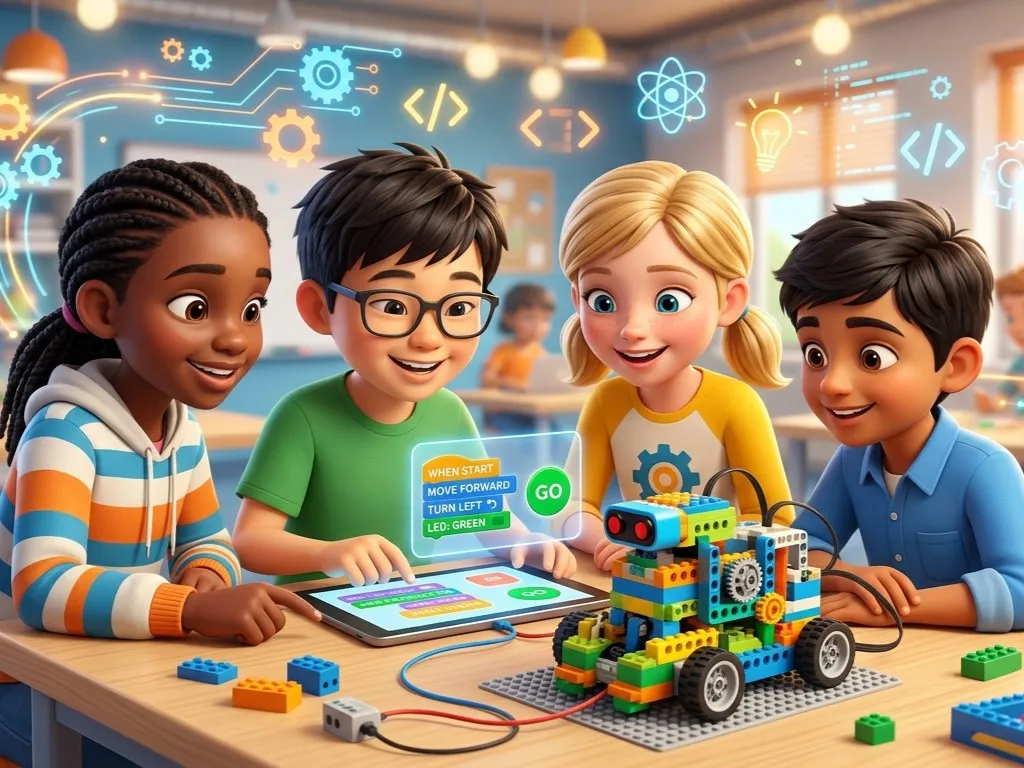
Choosing the right educational LEGO is the best way to introduce children to the world of STEM through structured and fun play. To get started, parents can choose sets based on age: starting with LEGO DUPLO for toddler motor skills, LEGO Education SPIKE Essential for basic coding at the elementary level, and LEGO Mindstorms for complex robotics exploration for teenagers.
Here is a complete guide to choosing the right educational LEGO and how to develop it into future technology skills.
Turning Toys Into Future Learning Tools
Many think LEGOs are just colorful plastic bricks. However, for educators, LEGO is a tool for active learning. As children assemble piece by piece, they are actually training their concentration, patience, and problem-solving skills.
This process is crucial because, according to the World Economic Forum, complex problem-solving is one of the top 10 skills most needed in the future job market. By playing with LEGO, children don't just build physical structures; they build systematic logical thinking.
Educational LEGO Set Options by Developmental Stage
1. Early Foundations with LEGO DUPLO (Ages 1.5 - 5 Years)
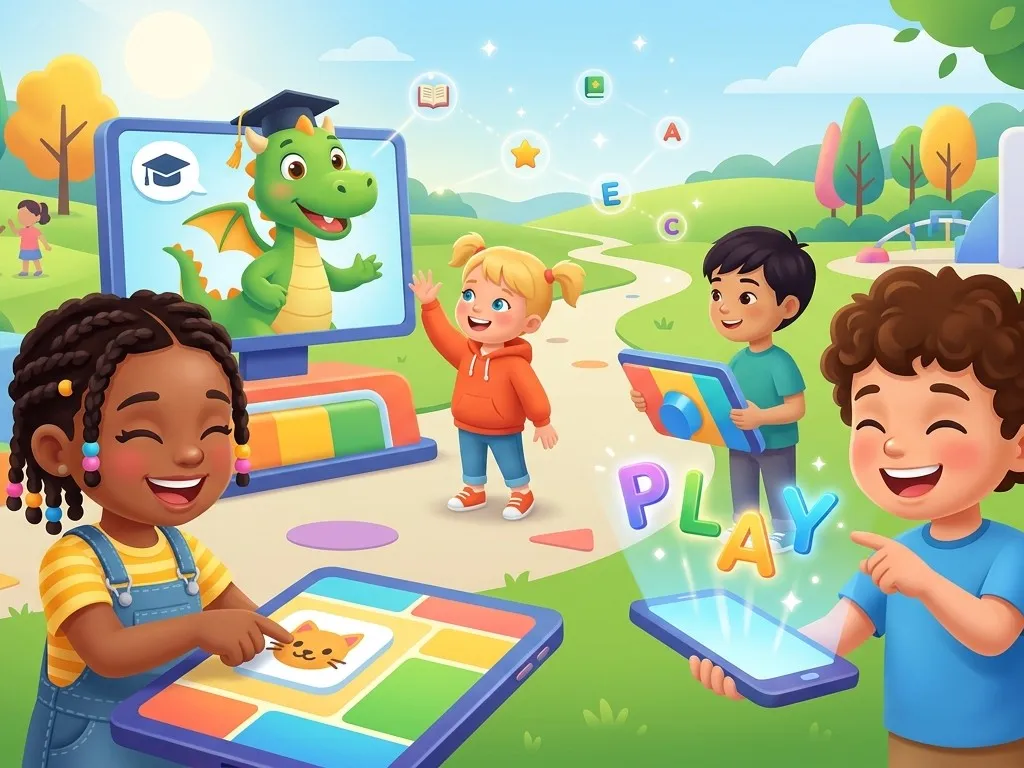
In the early childhood phase, the main focus is fine motor development and spatial awareness. DUPLO bricks are designed twice the size of standard LEGO bricks, making them safe and easy for small hands to grasp. Through this series, children begin to learn to distinguish colors, shapes, and hand-eye coordination.
2. Limitless Creativity Exploration through LEGO Classic
Entering elementary school age, children need a place to pour their imagination. LEGO Classic offers a wider variety of pieces without rigid instructions. Children are free to build anything—from dream cities to unique vehicles. This freedom is essential for fostering self-confidence in innovation.
3. Introducing STEM via LEGO Education SPIKE Essential
To go further into the world of technology, educational series like SPIKE Essential are the perfect choice. Here, children don't just assemble bricks; they start touching hardware components like sensors and motors. Using block-based visual programming apps, children are taught that technology can be controlled through logical instructions.
4. Advanced Robotics Engineering with LEGO Mindstorms
For teenagers who want to take robotics seriously, LEGO Mindstorms offers real engineering challenges. They will learn how real robots work—that machine movement isn't magic, but the result of precise coding logic. This is a perfect simulation for understanding international standard robotics curricula often used in global competitions.
Directing Children's Interests to Professional Robotics
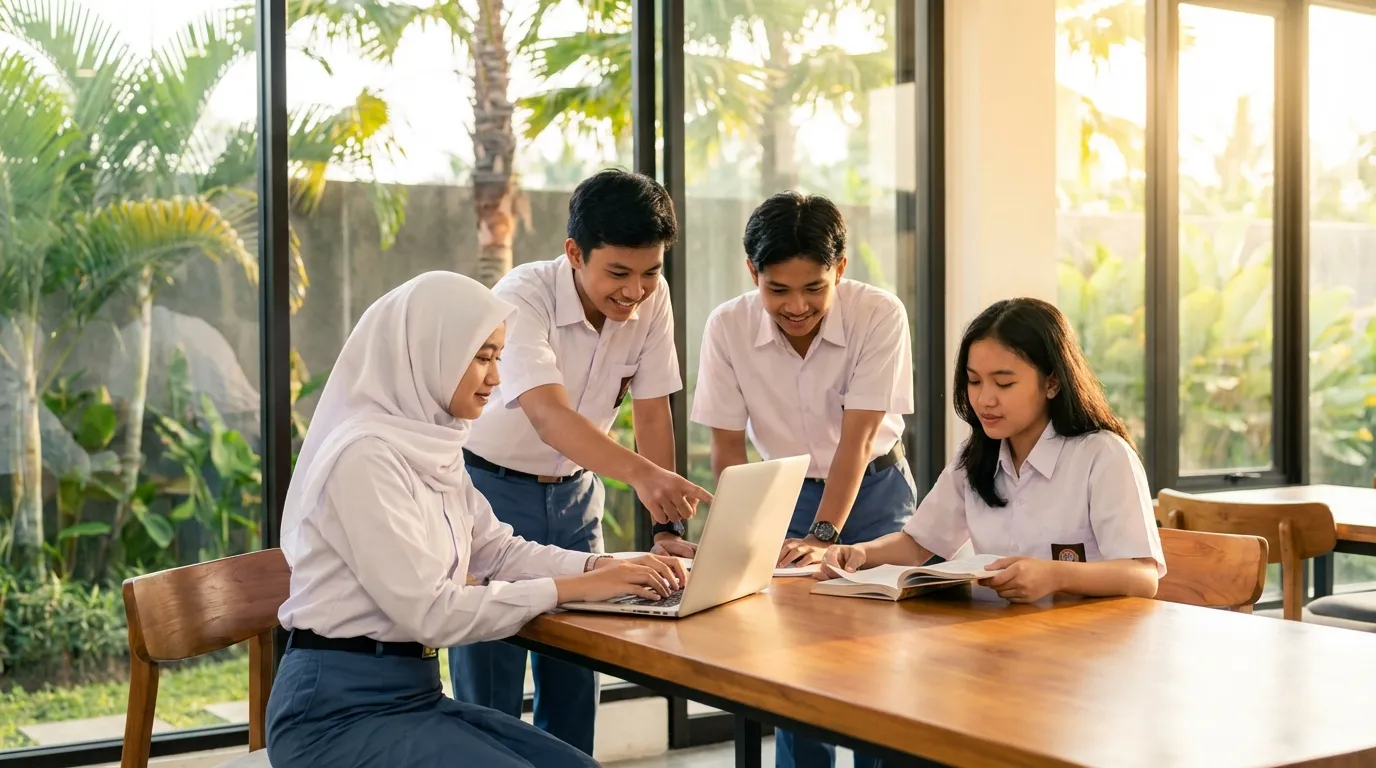
Buying an educational set is only the first step. For a child's talent to be more polished and directed, they need a supportive learning environment and expert guidance. Joining a robotics class can be a bridge for children to turn a hobby into technical skills that are useful for their future school and career.
One highly recommended place is Koding Akademi. Their programs are specifically designed with a project-based learning approach. So, children don't just sit and listen to theory; they directly practice their ideas into a real work.
Frequently Asked Questions (FAQ)
1. Why should I choose the "Education" series LEGO? Unlike regular toy sets, the LEGO Education series is designed with a supporting curriculum and components like motors or sensors that facilitate deeper learning in science, math, and technology.
2. What is the best age for a child to start learning robotics? Children can be introduced to simple robotics concepts as early as kindergarten (around 5-6 years old) using child-friendly tools, which then increase in complexity as they get older.
3. Does a child have to be good at math to learn robotics? Not necessarily. Through robotics, children will learn math and logic in a more visual and practical way. In fact, they often end up liking these subjects more after seeing their real-world applications.
Start Your Child's Creative Journey Now
The best investment for a child is not just about the things they own, but the skills they master. From simple small blocks, children can learn to build big ideas that might one day change the world.
Want to see your little one start assembling their first robot or creating their dream app? Let's develop their potential with the experts at Koding Akademi. Find out more about our coding and robotics programs at