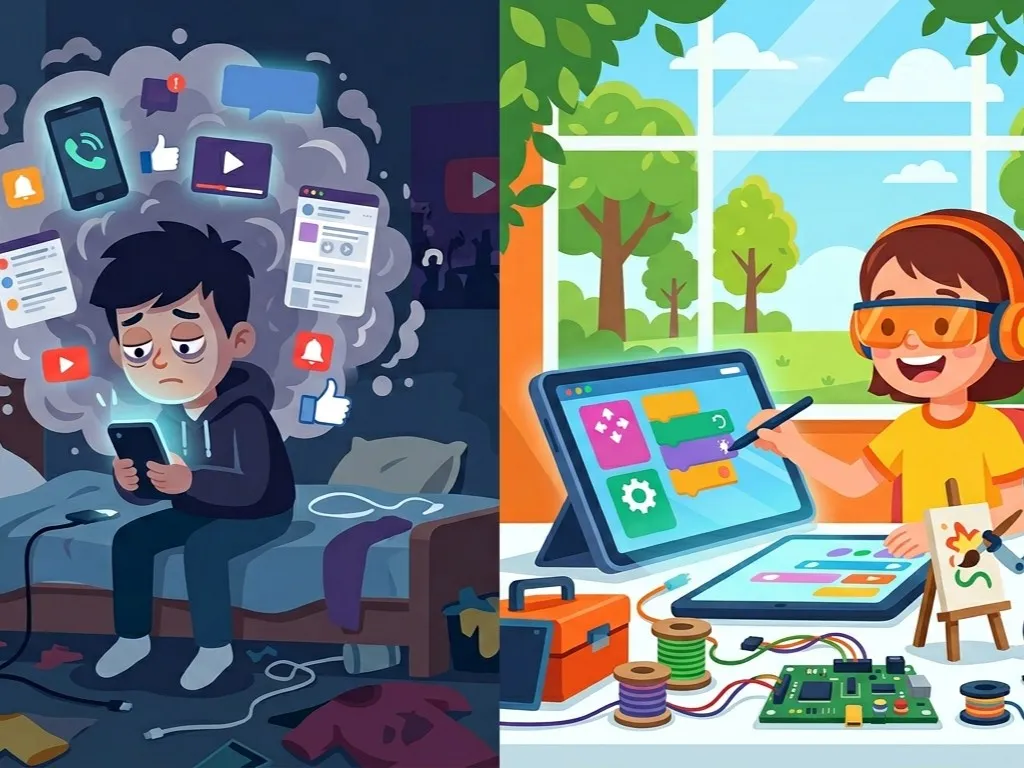
Coding for Kids: A Long-Term Investment in Education
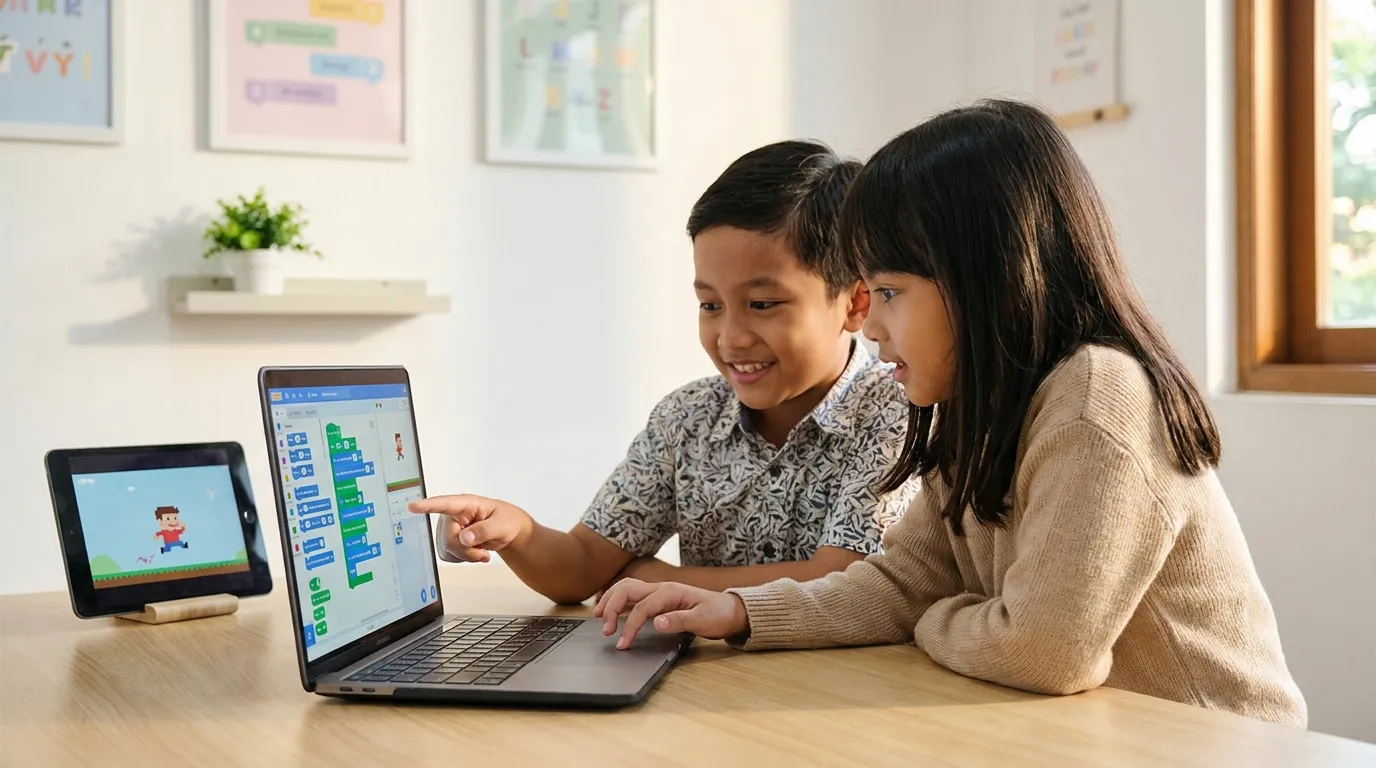
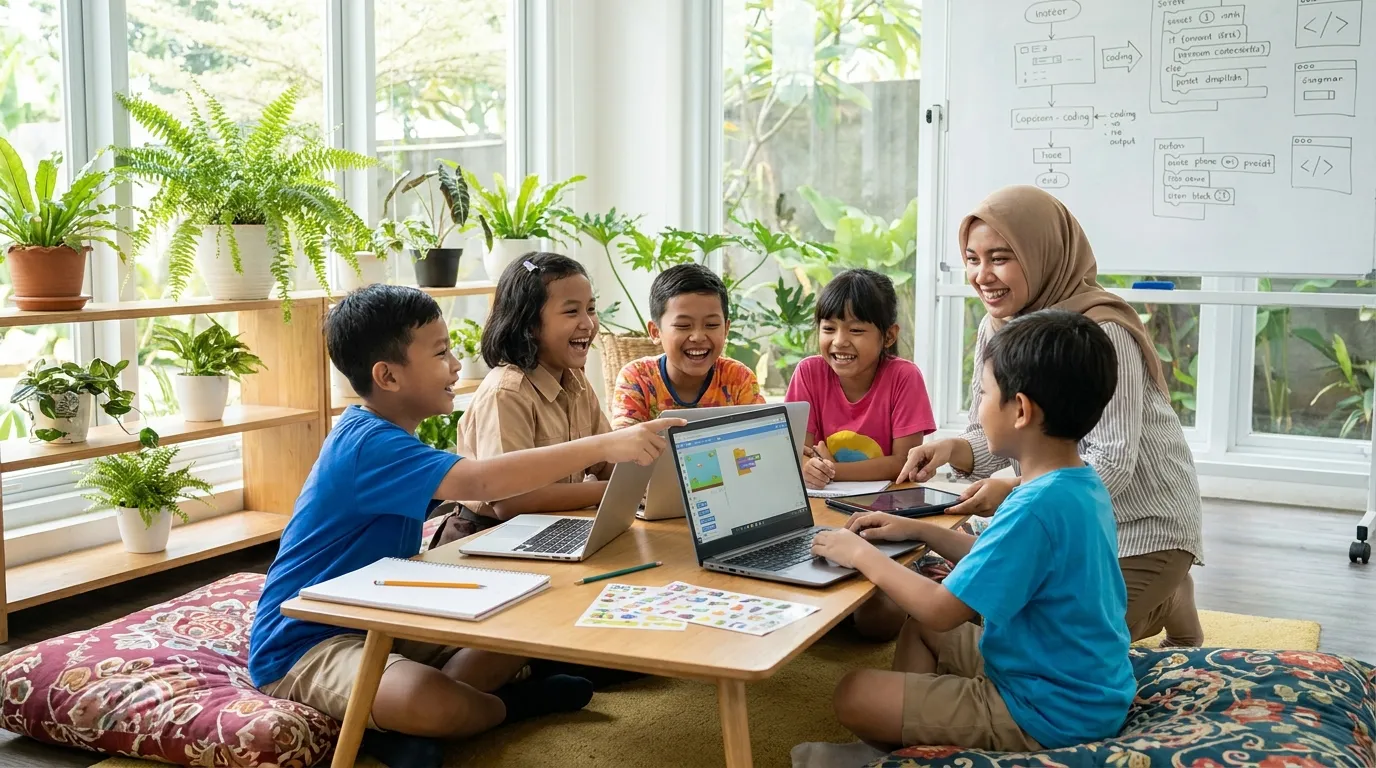
Coding is a long-term investment in education that helps children develop logical thinking, creativity, and problem-solving skills in the digital age.
Coding should be a school extracurricular activity to help young people understand technology. Explore its benefits for logical thinking and creativity.
AI Literacy is the ability to understand, use, evaluate, and interact with artificial intelligence (AI) technologies effectively, critically, and ethically. Essentially, this literacy isn't about technical skills like coding, but rather understanding how AI works so we can use it wisely in our daily lives without falling into its risks.
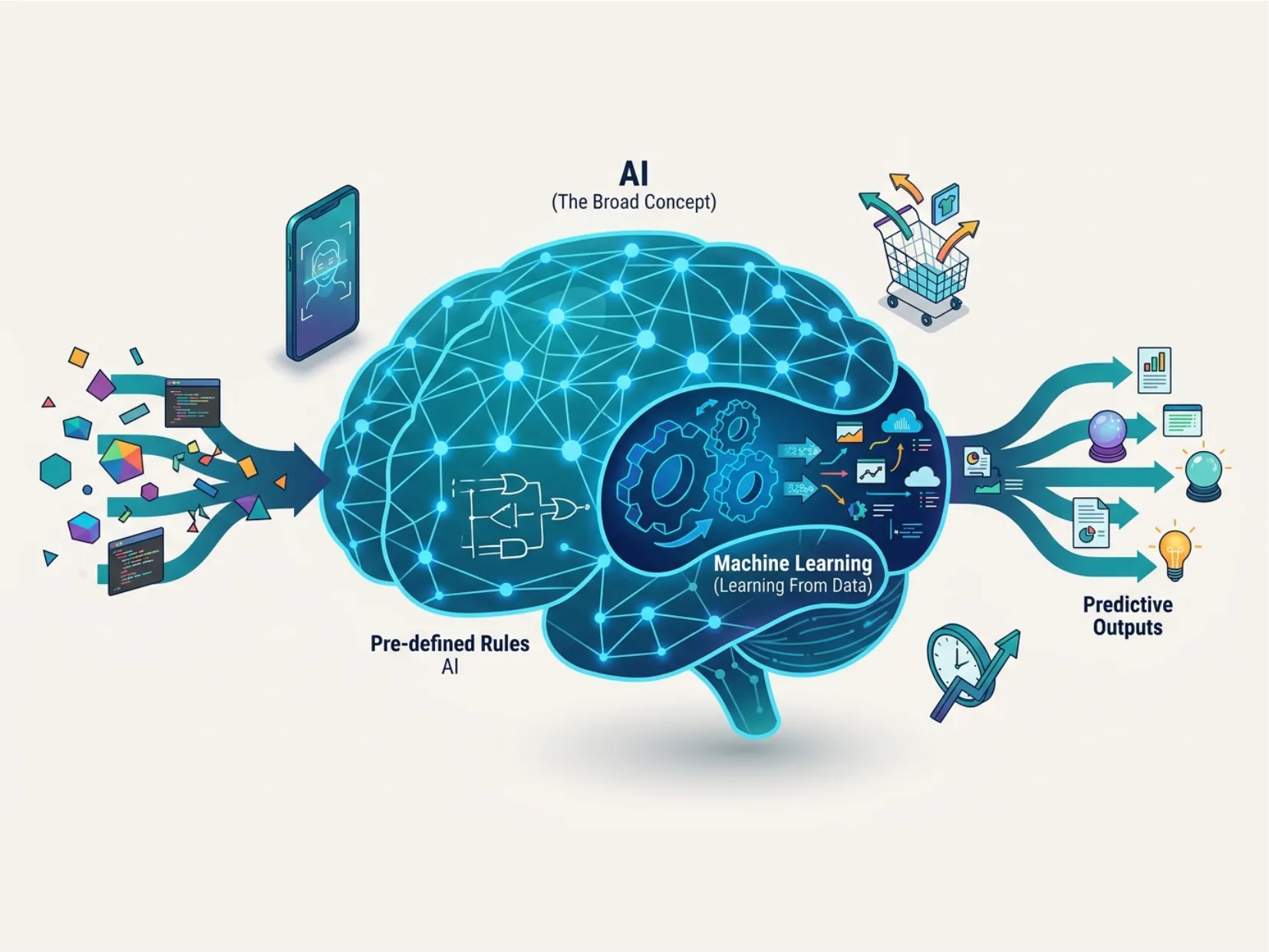
The fundamental difference between AI and Machine Learning lies in their scope: AI is the broad concept of machines mimicking human intelligence, while Machine Learning is a specific method within AI that allows machines to learn independently through data. Although often considered the same, understanding that Machine Learning is a subset of AI is crucial to seeing how this technology operates in our daily lives.
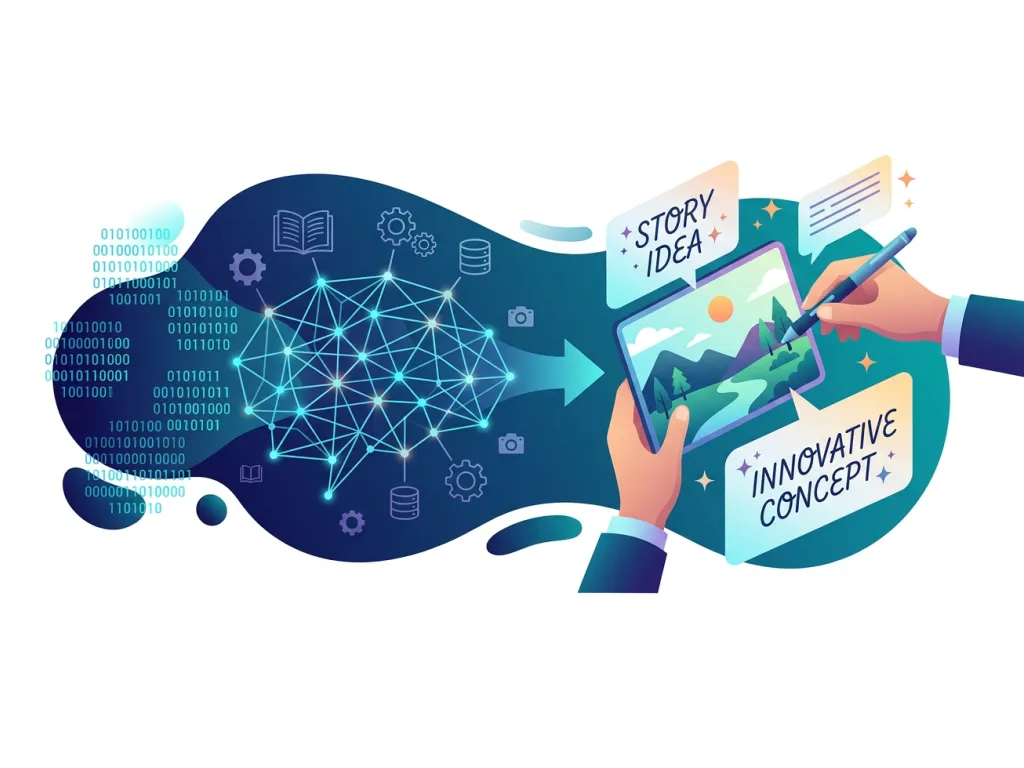
Generative AI creates new text and images by predicting data sequences based on statistical patterns learned from millions of human-made examples. Rather than simply copying, this technology uses deep learning algorithms to arrange elements—whether words or pixels—step-by-step into original and coherent works.
The Elementary Team from Koding Akademi has just achieved a brilliant milestone by winning the "Best Perform" award at the Codeavour Bali event through their innovative project called Oxygenius. This achievement proves that a combination of creative ideas, mastery of AI technology, and persistence in the learning process can produce real solutions recognized at a competitive level.
The Indonesian government will officially deactivate social media accounts owned by children under the age of 16 starting March 28, 2026, to create a safer digital environment. This policy encourages parents to shift from simply monitoring screen time to redirecting digital activities toward more educational pursuits, such as interactive learning apps and logic development.
The combination of storybooks and children's encyclopedias is the best way to build reading interest while sharpening the critical thinking skills of elementary school students. Storybooks play a role in developing emotional intelligence (EQ) through touching narratives, while encyclopedias provide a foundation of knowledge (IQ) through concrete visual data and scientific facts. The synergy between the two creates a holistic learning experience for a child's cognitive development.
The Sustainability Innovation Fair 2026 is a collaborative stage for hundreds of students to create sustainability solutions through coding and robotics. This initiative is more than just a typical exhibition; it serves as an incubator for the younger generation to transform into problem solvers who are attuned to environmental and social issues.
Showing 1 to 9 of 11 results
Sign up now for a trial class or consult with our educational advisory team.
Coding & Tech curriculum will be tailored to your child's development stage ✨