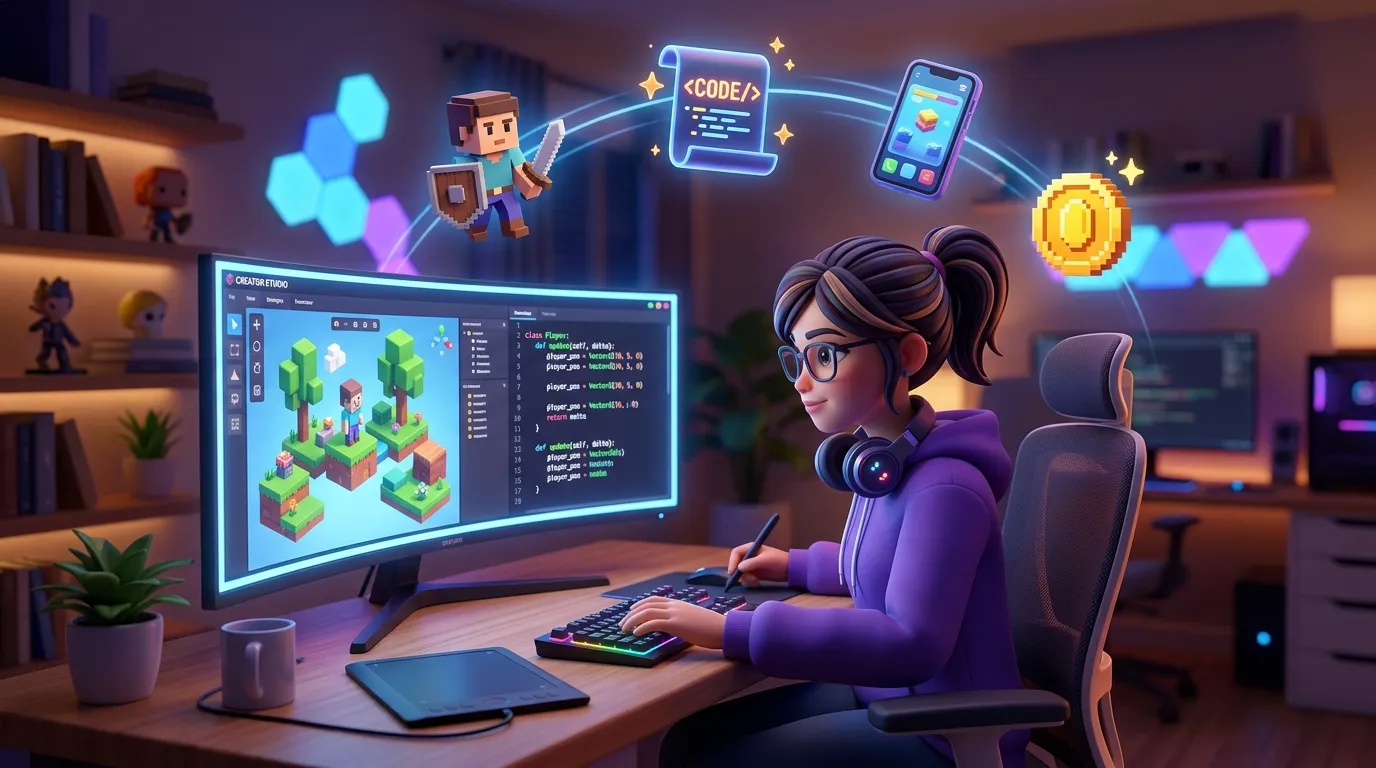
The roles of developers and engineers today have shifted drastically; artificial intelligence (AI) is no longer just an add-on, but the driving engine transforming programmers from mere syntax writers into system directors. At the same time, modern robotics has moved away from rigid code instructions, evolving into machines capable of learning independently from their direct experiences in the real world.
This shift between lines of code and iron gears redefines how we perceive intelligence in the workplace. Let's break down how this evolution is unfolding in two main domains: software development and robotics.
The Paradigm Shift in Software Development
The way engineering teams view lines of code is changing faster than anticipated. Today, technical understanding is more focused on systems thinking and evaluation capabilities, rather than memorizing programming languages.
The Vibe Coding Phenomenon
Many developers now admit to spending more time reviewing code than writing it from scratch. This has birthed the trend of vibe coding, where you simply describe what you want to build in everyday human language, and the AI model executes the rest. Evidence suggests that because machines are not always accurate, the developer's role is shifting to a "director and reviewer" tasked with evaluating the final output.
Low-Code Platforms
Building functional applications is no longer the exclusive right of those who have studied IT for years. With the emergence of low-code and no-code platforms like Bolt and Lovable, people who have never touched a line of code can now build genuinely usable applications. However, this also comes with a crucial note: this convenience carries risks. Code that is not fully understood by its creator could turn into a "time bomb" in the future.
Shift-Left Security from Day One
In the past, security flaws were often only discovered after an application was released or even hacked. Today, the shift-left security paradigm is changing that standard. AI-based tools are now used to detect potential issues before the code is even finished, making security a foundational element built from the very beginning, not just a final polish.
The Physical Evolution of Machines and Robotics
The narrative of rigid robots operating only in assembly plants is outdated. Today's robots are intelligent software given physical bodies.
Learning from Experience
Older generation robots required thousands of lines of highly detailed instruction code just to perform a single simple movement. Now, that technology is being left behind. The new generation of robots is trained using sensor data and reinforcement learning. They learn from trial and error just like how humans learn to ride a bicycle.
Plunging Directly into the Real World
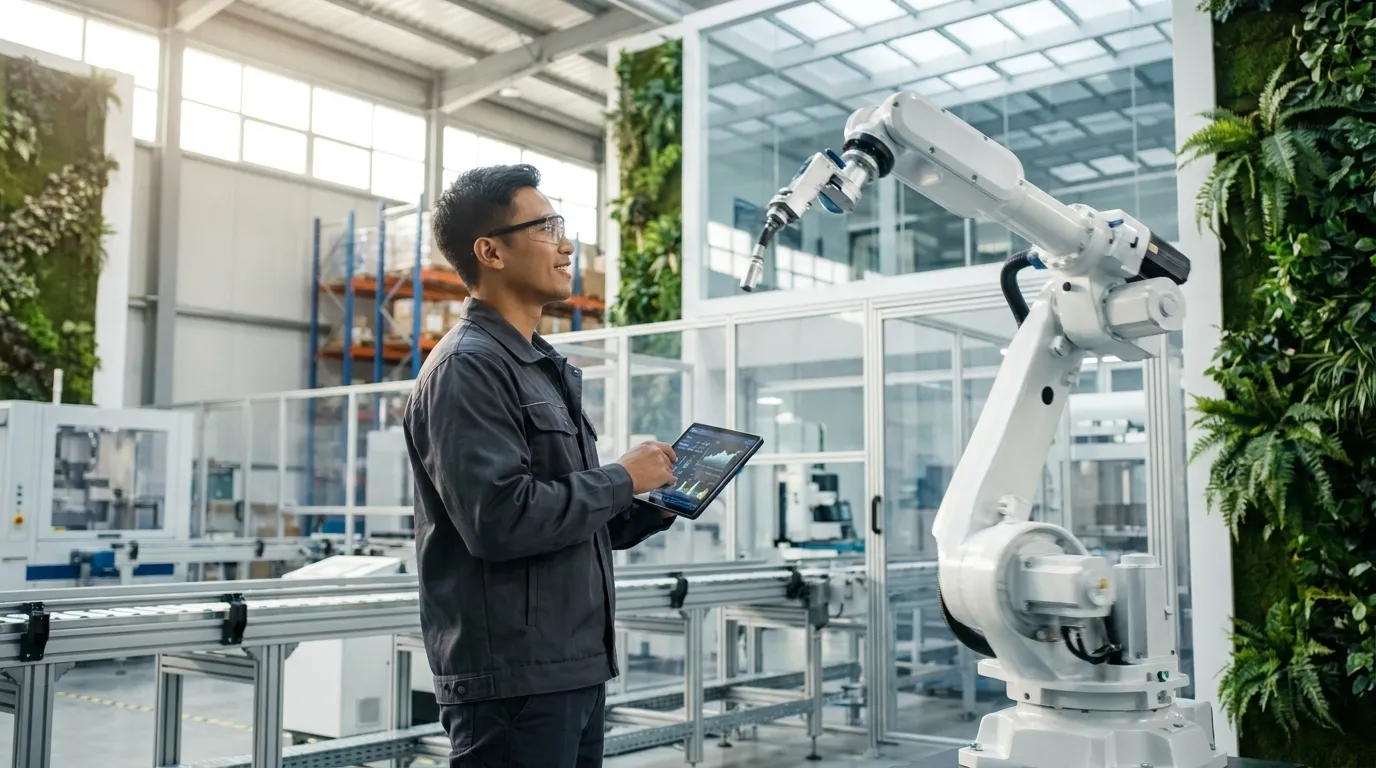
For years, advanced robots only ended up as viral demo videos in laboratories. But in reality, companies like Figure, Boston Dynamics, and 1X Technologies have already started deploying their robots in real-world environments, from logistics warehouses and assembly lines to various facilities in Southeast Asia. The significant drop in component prices also makes small-scale robot deployment more commercially viable.
The Widespread Reach of Embodied AI
The application of these smart machines has reached far beyond the factory floor. We are seeing autonomous drones monitoring agriculture, as well as cobots (collaborative robots that safely work alongside humans) in restaurant kitchens and healthcare facilities. Everything is driven by embodied AI. Their operating systems even use technology stacks that are very familiar to web developers—such as containerization, CI/CD pipelines, and even Large Language Models (LLMs) to understand voice commands. The robots of the future truly require a combined skillset of mechanical engineers and programmers.
Frequently Asked Questions (FAQ)
1. What exactly is vibe coding?
Vibe coding is a new approach where developers simply describe the desired logic or features using everyday language, and the AI model takes over the task of writing the lines of code.
2. Is it safe to build applications using no-code platforms?
While it greatly facilitates access to application development, there are long-term risks if the creator does not understand the underlying logic of the code, which could potentially become vulnerabilities or problems in the future.
3. How do the latest generation of robots learn to move?
Modern robots are no longer programmed with rigid movement instructions. Instead, they use sensor data and reinforcement learning (trial and error), allowing them to adapt to new situations.
Adapting to the era of vibe coding and smart AI technology requires a strong foundation in logic, not just the ability to type out syntax. If you want to master the software architecture mindset relevant to today's industry needs, start your journey with us. Visit our official website to learn more at https://www.kodingakademi.id/ or consult your learning needs directly by contacting our team at +62813-3737-3155. The future of technology is already here make sure you are ready to direct it.