Robotics courses for beginners are the most effective way to introduce kids to technology hands-on — not just theory on a screen, but actually assembling components, writing code, and watching a robot move because of the work they did themselves. That's exactly where confidence and an innovative mindset begin to grow.
Why Robotics Is Worth Learning from an Early Age
Learning by Touching, Not Just Watching
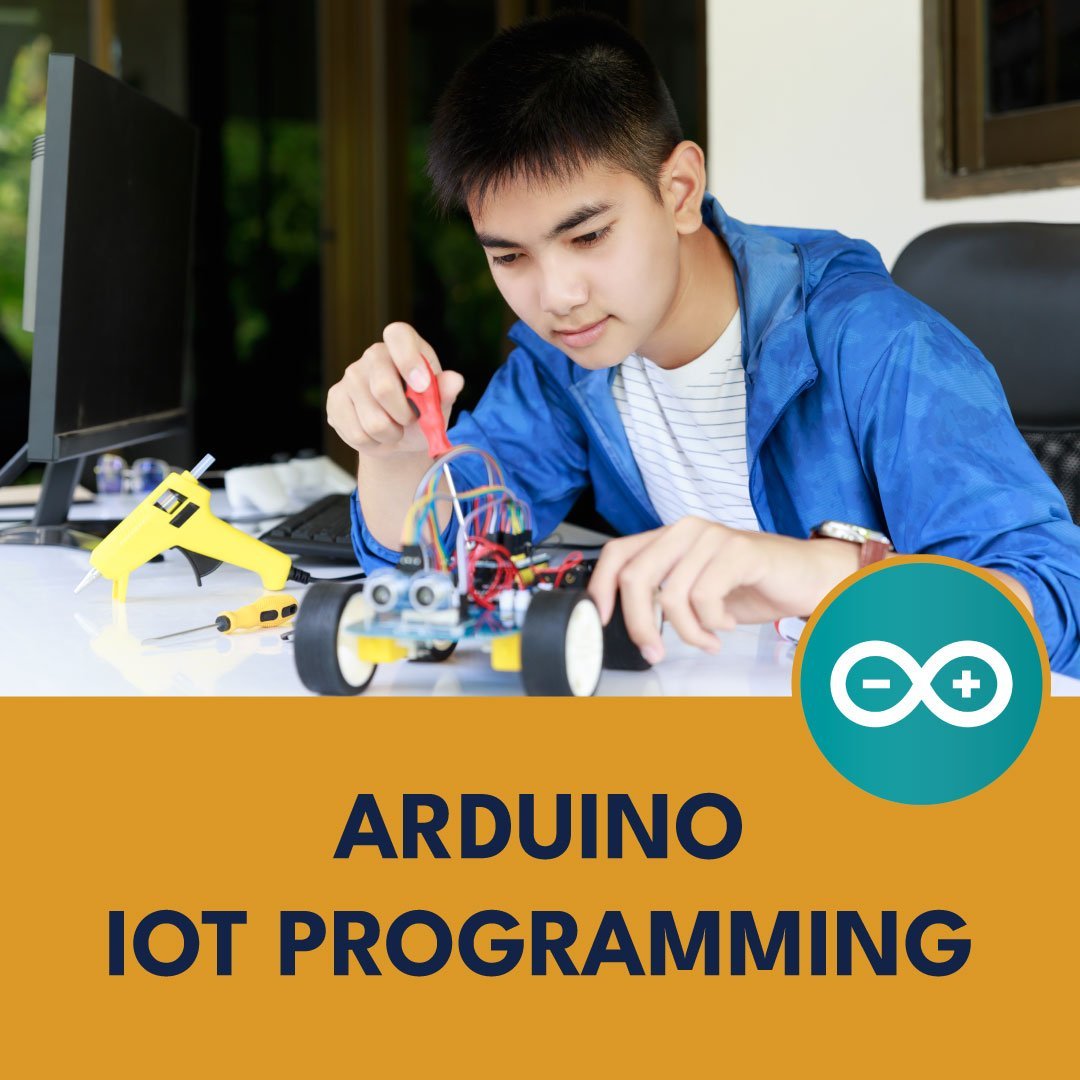
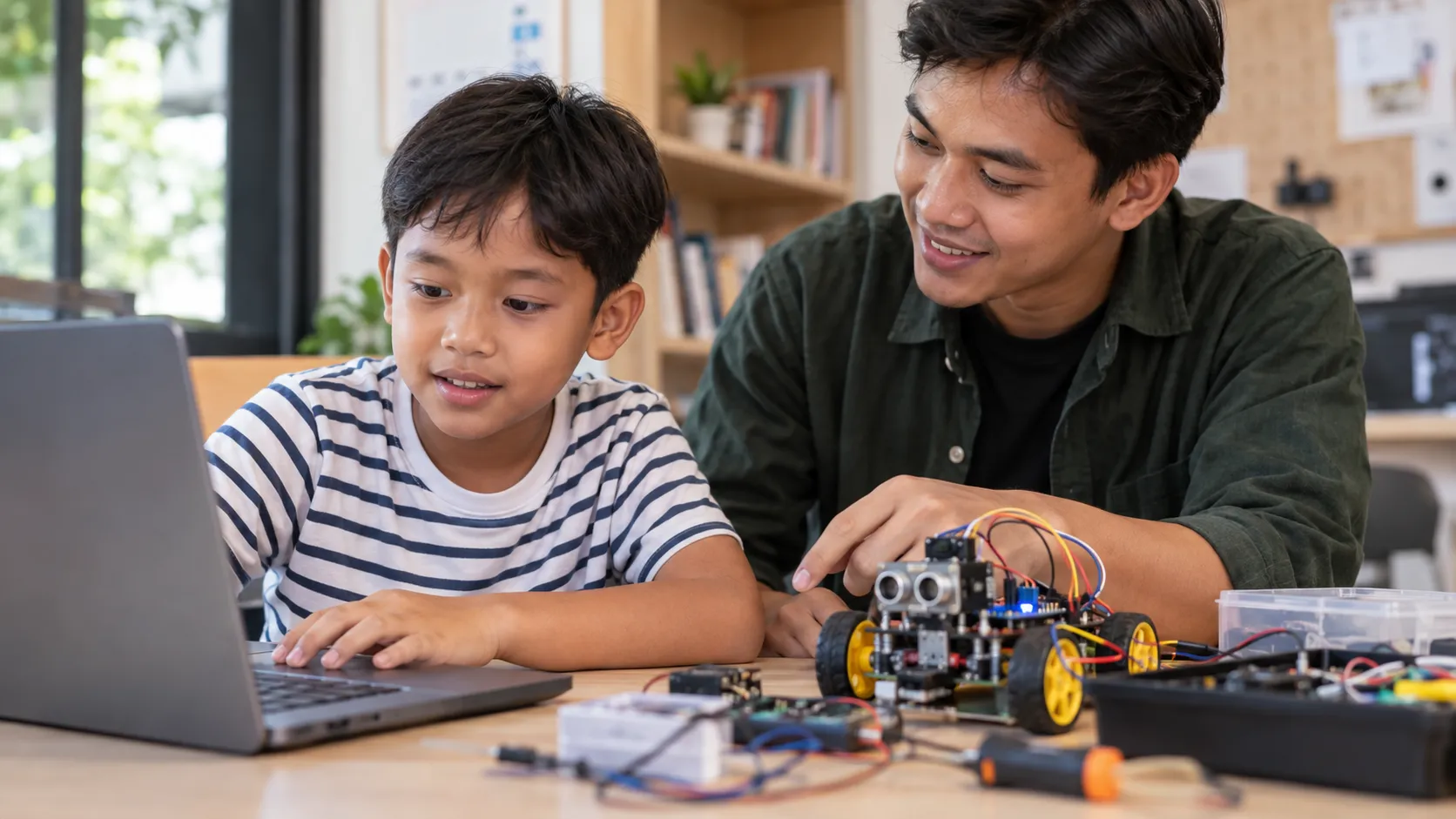
There's a huge difference between a child who learns robotics from tutorial videos and one who physically holds wires, attaches sensors, and sees a light turn on. That physical process creates a much deeper understanding. This aligns with the principles of experiential learning popularized by educational psychologist David Kolb — that humans learn most effectively when directly involved in real experiences, not just observing.
When a child fails and has to try again, they're not frustrated — they're learning. That's a value that goes far beyond the technical lesson itself.
The Most In-Demand Skills for the Future
According to the Future of Jobs report by the World Economic Forum, skills such as analytical thinking, complex problem-solving, and technology literacy rank among the top competencies most needed in the workforce through 2030. Robotics teaches all of them at once — in a single, enjoyable hands-on session.
Children who are accustomed to solving technical problems from an early age build a stronger thinking foundation, regardless of what career they ultimately choose.
What You Learn in a Beginner Robotics Course
Getting to Know Microcontrollers
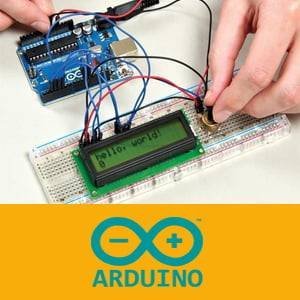
One of the key components studied in beginner robotics courses is the microcontroller board, with Arduino Uno being the most common choice. Arduino isn't chosen without reason — the platform is open-source, extensively documented, and used globally in both education and the tech industry.
Through Arduino, children learn how a command in code can be translated into physical movement. For example, writing simple lines of code to make a motor spin or a sensor detect distance. That process is what makes their eyes light up — because they know: this works because I made it.
From Sensor to Motion
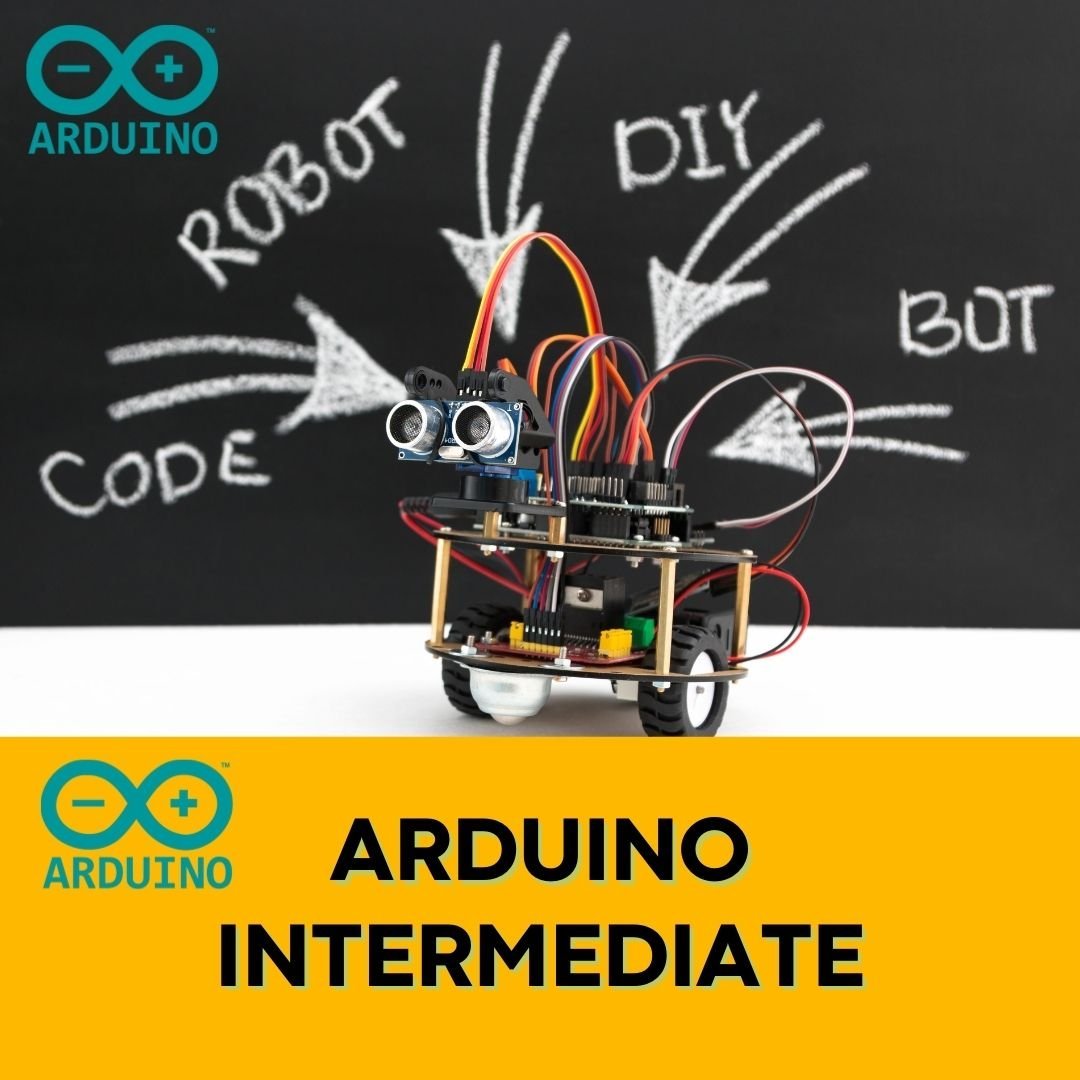
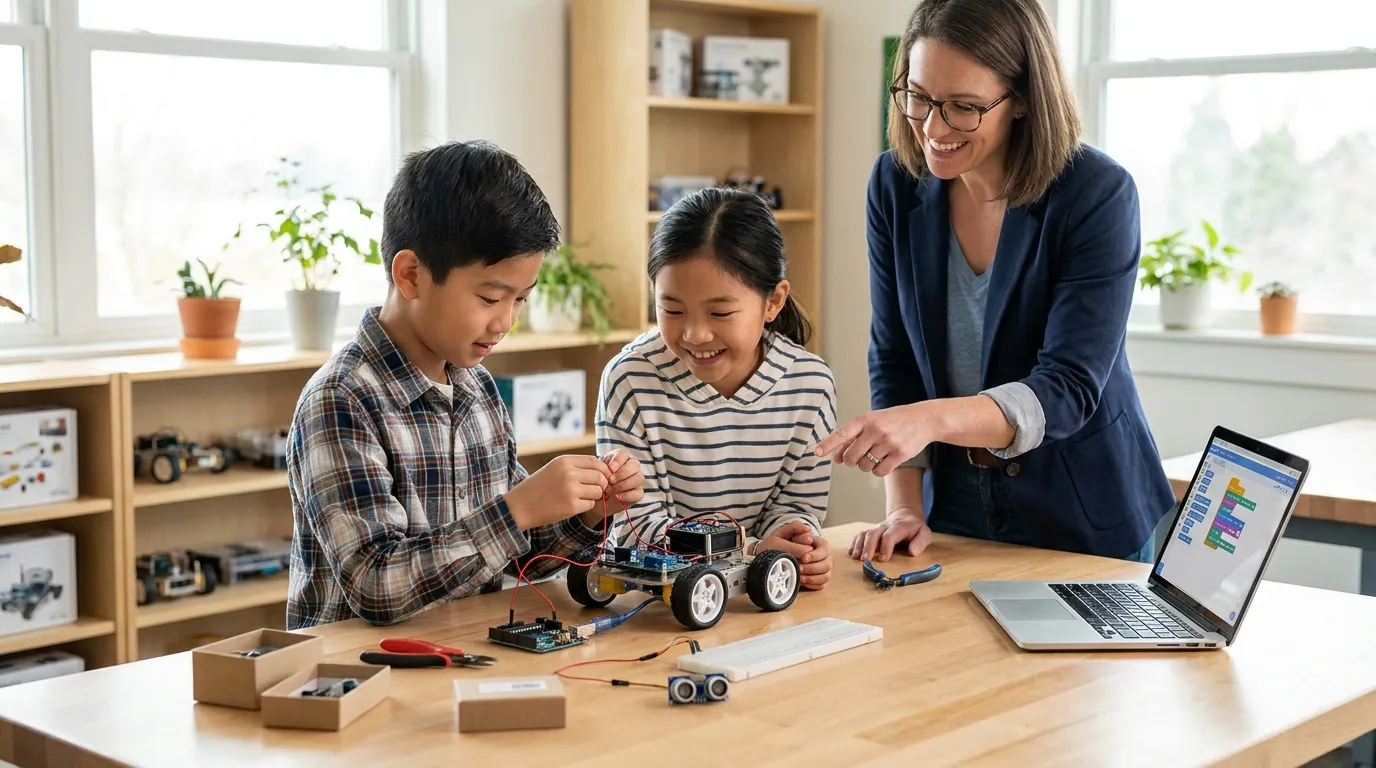
A good course doesn't immediately throw kids into a big project. It usually starts with introducing basic concepts like electrical current and programming logic, then progresses to small experiments like making an LED blink, attaching a distance sensor, and ultimately assembling a robot that can move according to instructions.
This step-by-step approach is important so children don't feel overwhelmed — and instead become more curious to move to the next level.
How to Choose the Right Robotics Course for Your Child
Curriculum Tailored to Age
One thing parents often overlook: the approach for a kindergarten child and a middle schooler is vastly different. Young children need visual stimulation and fun motor activities, while teenagers can begin exploring more complex programming logic.
A good course has a tiered curriculum — not a one-size-fits-all package. If a child is introduced to material that's too advanced too soon, their interest can fade before it even has a chance to ignite.
Practice Should Outweigh Theory
This isn't just a preference — there's research to back it up. A study from the Journal of Engineering Education found that project-based learning significantly improves conceptual understanding and learning motivation compared to conventional methods.
So before enrolling, ask: what percentage of sessions involve hands-on practice? If the answer is more than half the time, that's a good sign.
Koding Akademi: A Recommended Robotics Course
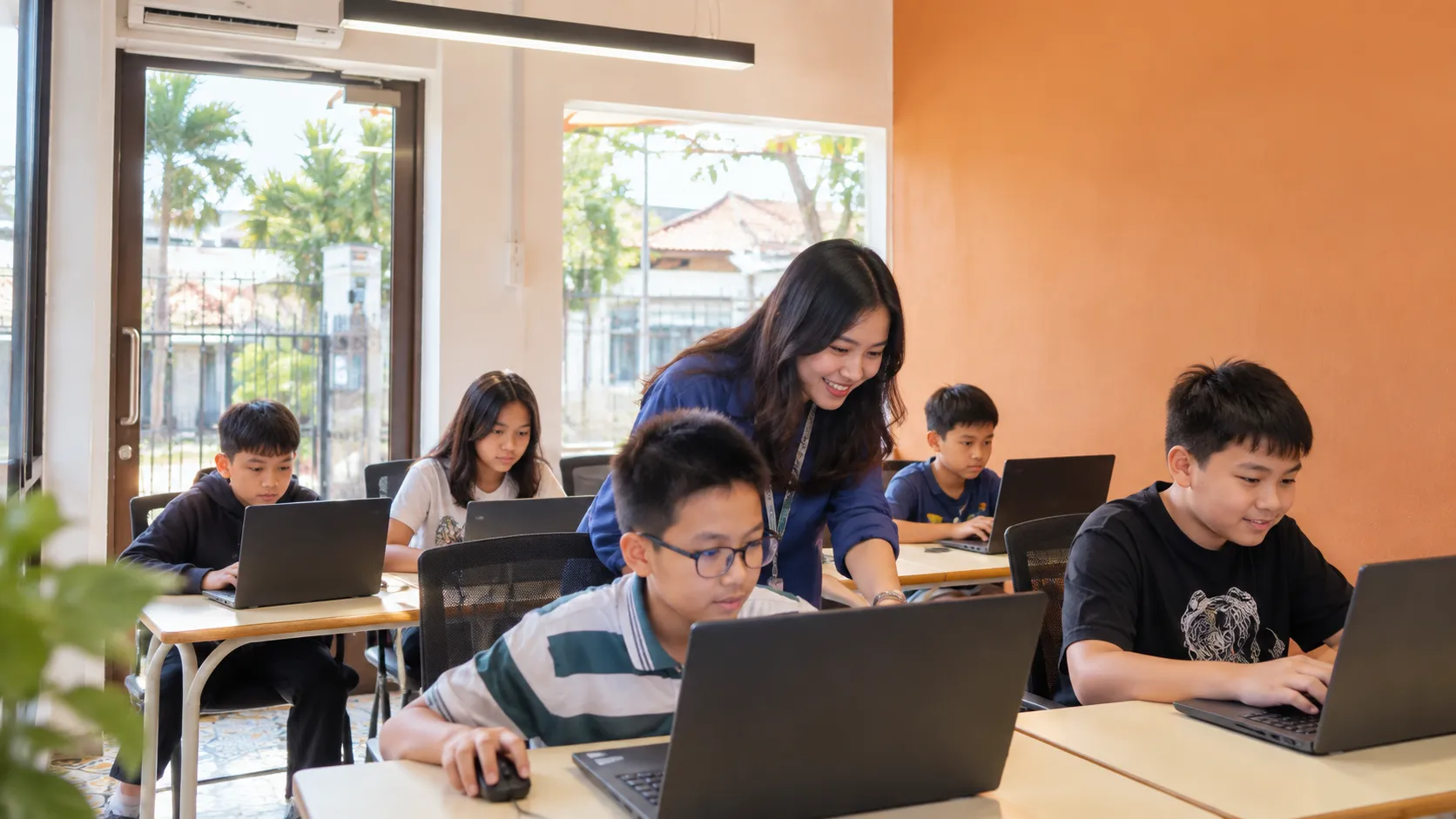
One learning center worth considering is Koding Akademi, which offers robotics classes from kindergarten through high school. The curriculum is project-based — children aren't just taught how to assemble, but are also trained to think like innovators who seek solutions.
Its fun and exploratory approach makes learning feel like play, but with real results. This matters because interest that grows organically lasts far longer than learning out of obligation.
Frequently Asked Questions
1. What is the ideal age for a child to start learning robotics?
There's no fixed minimum age, but children as young as 5–6 years old can typically begin with fun introductory programs based on visual activities. As they grow older, the material can become increasingly complex and technical.
2. Does a child need to know coding before joining a robotics course?
Not at all. Beginner robotics courses usually start from scratch — including an introduction to basic programming concepts. In fact, many children end up becoming more interested in learning coding after being introduced to robotics.
3. Are robotics courses expensive and do they require special equipment?
Costs vary, but many programs provide all components during class sessions so parents don't need to purchase equipment upfront. The investment is well worth the long-term skills children gain.
If you want your child to start learning robotics in a fun and structured way, Koding Akademi could be the right choice. We have programs for all ages with a proven approach—from assembling the first components to becoming a confident young innovator. Find out more at kodingakademi.id and start your child's technology learning journey today.