Data science software is a collection of tools, programming languages, and platforms that collect, process, analyze, and visualize massive amounts of information. This software ecosystem serves as the main engine for discovering hidden patterns, building predictive algorithms, and driving data-driven decisions. Its core foundation relies on programming languages like Python, R, and SQL, which are then combined with big data processing platforms, artificial intelligence frameworks, and interactive visualization tools to present comprehensive insights.
As a data practitioner, understanding this software landscape is a crucial first step. Let's break down the tools that are currently the industry standard.
Data Foundation and Processing
Before you can make sophisticated predictions, data must first be collected and cleaned. This is where programming languages and processing tools play a vital role.
Essential Programming Languages
Data science workflows are typically built upon three main languages:
-
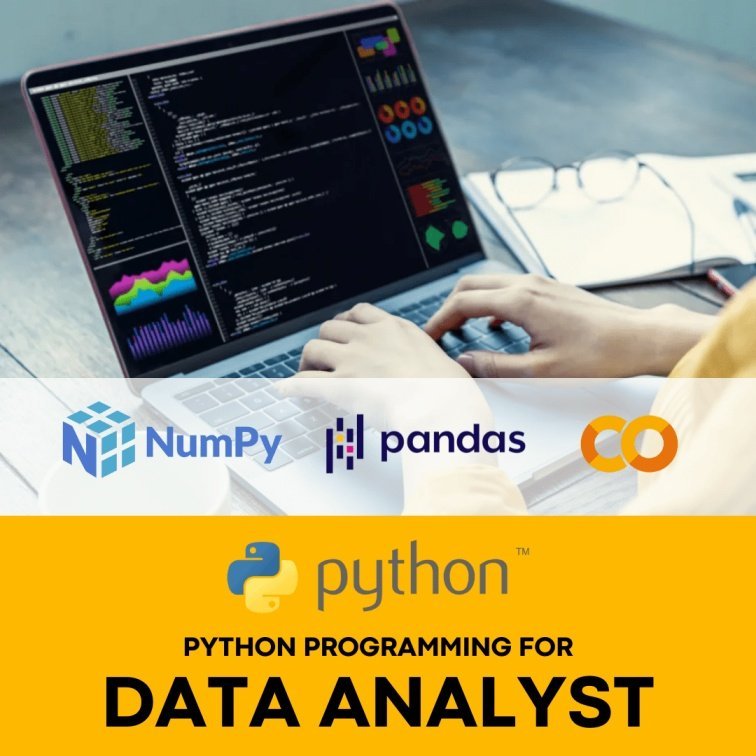
Python: A highly versatile open-source language that is the undisputed champion in this field, thanks to its massive ecosystem of specialized libraries.
-
R: Built specifically from the ground up for statistical computing and graphics, this open-source language is highly favored by researchers and statisticians for complex analysis.
-
SQL (Structured Query Language): The mandatory language used to manage, extract, and query data stored in relational database management systems.
Manipulation and Big Data Tools
Raw data is often messy. To clean and transform it into a structured format, several tools are highly relied upon:
-
Pandas: The go-to Python library that provides data structures (like DataFrames) to make data manipulation easier and highly performant.
-
Apache Spark: A unified open-source analytics engine designed specifically for speed. It can handle massive "Big Data" workloads across distributed computing clusters.
-
Apache Hadoop: A framework that allows the distributed storage and processing of massive datasets using simple programming models.
Advanced Analysis and Visualization
Once the data is ready, it's time for machines to learn from it and translate it into a visual format that stakeholders can easily understand.
Machine Learning and AI Frameworks
To train algorithms and build deep learning networks, professionals use the following frameworks:
-
Scikit-learn: A robust Python library containing various classification, regression, and clustering algorithms. It is the primary tool for traditional machine learning tasks.
-
TensorFlow: An open-source framework developed by Google's Brain team, specifically designed to handle deep learning and complex neural networks.
-
PyTorch: Developed by Meta, this deep learning framework is highly popular in both academic research and production environments due to its intuitive and flexible design.
Visualization and Business Intelligence (BI) Platforms
Complex numbers need to be translated into visual narratives to be easily understood:
-
Tableau: Famous for its intuitive drag-and-drop interface, allowing users to create highly interactive and visually appealing dashboards without needing to write code.
-
Microsoft Power BI: A BI tool that integrates seamlessly with the Microsoft ecosystem, functioning to transform disparate data sources into coherent visual narratives.
-
Matplotlib & Seaborn: Foundational Python libraries used to generate static, animated, or interactive visualizations directly from code.
Workspace and Infrastructure
Of course, all the codes and models above need a place to be executed and deployed into the real world.
Integrated Development Environments (IDE) and Cloud
-
Jupyter Notebook: A web-based interactive computing environment. Here, you can combine live code, explanatory text, equations, and visualizations in a single unified document.
-
Google Colab: A cloud-based Jupyter notebook service that requires no setup and provides free access to powerful computing resources, including GPUs.
-
Cloud Platforms (AWS, GCP, Azure): These enterprise platforms provide the scalable infrastructure, data warehousing services (like Google BigQuery or Snowflake), and specialized machine learning services needed to run data science projects in the real world.
Frequently Asked Questions (FAQ)
1. Why is Python so popular in data science?
Python is the top choice because it is a versatile open-source language supported by a massive ecosystem of specialized libraries for various data processing needs.
2. Who developed TensorFlow and PyTorch?
TensorFlow was developed by Google's Brain team, while PyTorch is a framework developed by Meta.
3. What is the main difference between Tableau and libraries like Matplotlib?
Tableau allows the creation of engaging interactive dashboards via a drag-and-drop interface without coding, whereas Matplotlib (and Seaborn) are used to create visualizations directly using Python code.
The world of data is evolving very rapidly, and mastering the tools above is the right investment for your future career. If you are interested in diving deeper into this technology ecosystem and honing your programming skills from the basics to the advanced level, let's learn with us at Koding Akademi! Find the complete materials and start your learning journey by visiting https://www.kodingakademi.id/.