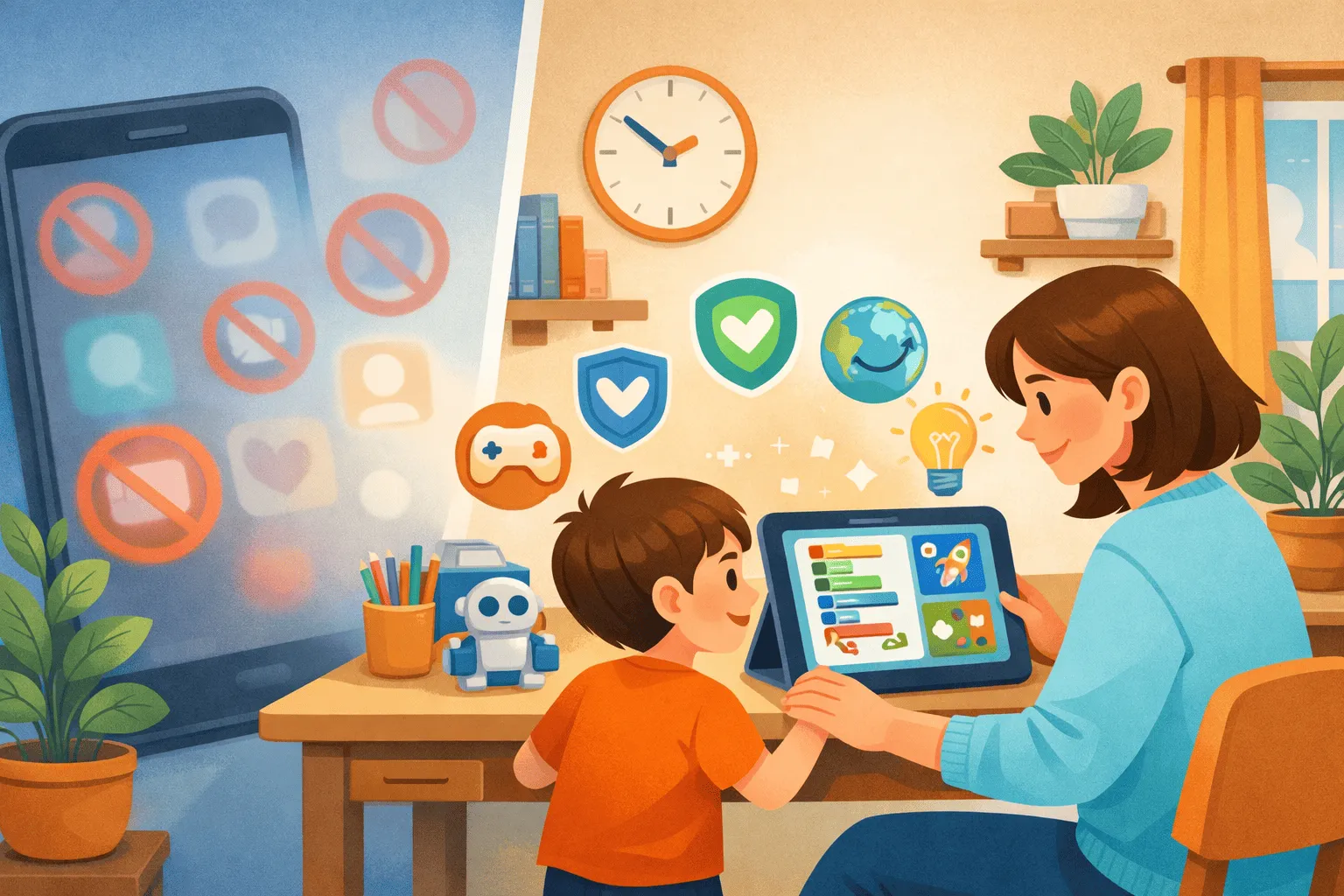
The blocking of social media accounts belonging to children under 16 starting March 28, 2026, as stated in the policy information underlying this article, is essentially a moment for parents to reset their children’s digital habits so they become safer, healthier, and more beneficial.
What Is the Core of This Child Account Blocking Policy?
Who is affected and when it takes effect
Based on the information provided, social media accounts identified as belonging to children under the age of 16 will be deactivated starting March 28, 2026. In the context of child protection, age-based restrictions like this are generally intended to reduce exposure to digital risks that are not appropriate for a child’s stage of development.
Why age restrictions are considered relevant
Risks in digital spaces are not just theoretical concerns. UNICEF notes that children may face exposure to age-inappropriate content, privacy violations, cyberbullying, and online exploitation. The U.S. Surgeon General has also emphasized that social media use at a young age can be associated with sleep disruption, attention problems, and mental health concerns, especially when usage is intense and unsupervised.
Why Parents Still Play the Most Important Role
Supervision at home is more effective than restrictions alone
Public policy can limit access, but children’s everyday digital habits are still largely shaped at home. The American Academy of Pediatrics (AAP) recommends active parental involvement through consistent rules, careful content selection, and shared media use so children can learn to use technology in healthy ways.
Children need guidance to understand the internet, not just stay away from it
UNICEF stresses the importance of digital literacy and open conversations at home so children are not simply “restricted,” but also understand how to protect their privacy, recognize risks, and ask for help when they encounter unsafe online experiences.[2] In other words, guidance is not only about limiting screen time, but also about building healthy judgment around what children see and do online.
Digital Risks Parents Need to Understand
Exposure to inappropriate content and unsafe interactions
Digital platforms can expose children to adult content, violence, hate speech, or unsafe interactions with strangers. That is why younger children and preteens need additional protection, including content curation and access supervision.
Excessive use can disrupt essential routines
AAP emphasizes that digital media use should be balanced with adequate sleep, physical activity, study time, and family interaction.[4] When screens take up too much time, these essential routines can be disrupted, affecting a child’s overall well-being.
Healthier Digital Activities for Children
Choose high-quality, age-appropriate content
AAP recommends that families prioritize high-quality digital content that is age-appropriate and used intentionally, rather than as a default form of entertainment. For that reason, interactive learning apps, curated educational videos, and games designed to build logic skills can be better alternatives than random, unguided content consumption.
Encourage children to create, not just consume
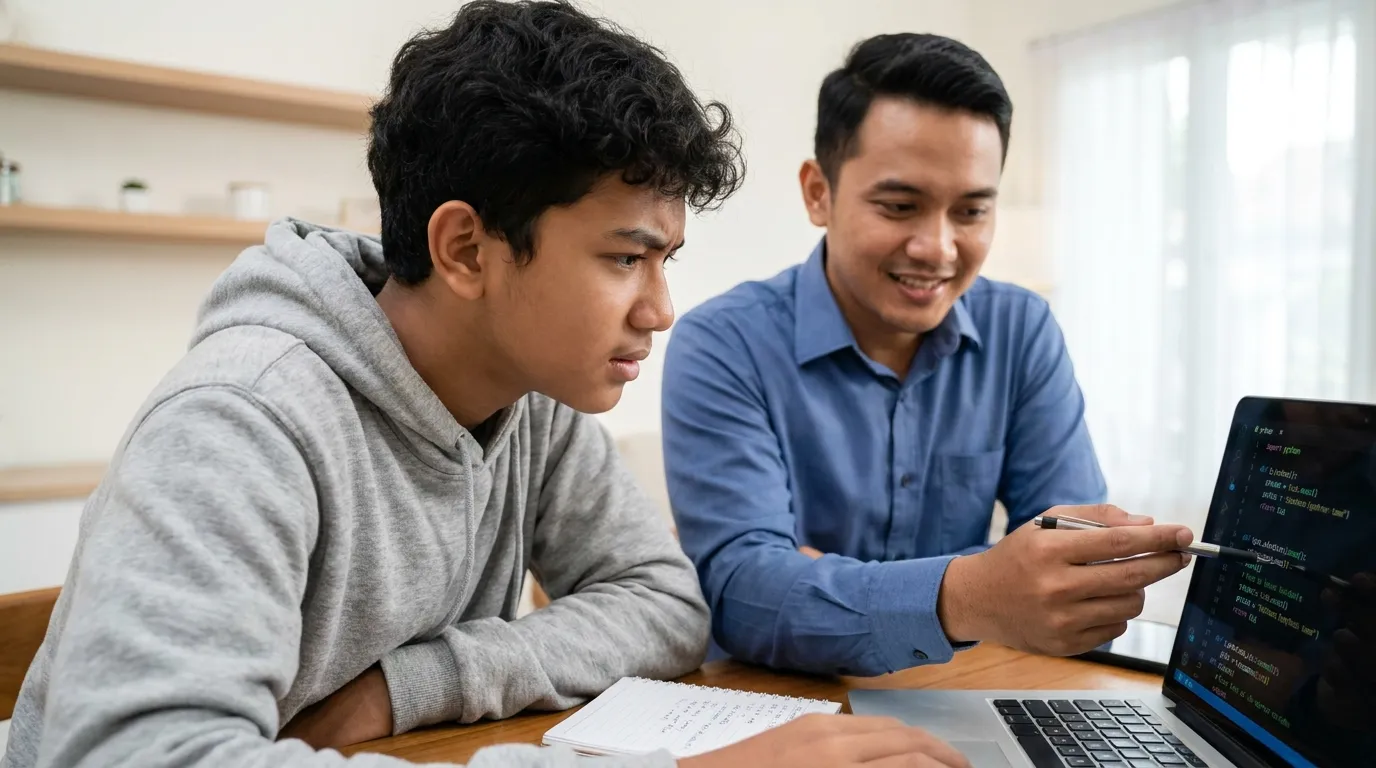
One principle also encouraged by AAP is “create, don’t just consume,” meaning children should be guided to use technology to make something, not simply watch endlessly. In practice, this can include digital drawing, simple animation, storytelling, or beginner visual coding that gradually develops logic and creativity.
Practical Steps Parents Can Take at Home
Set consistent screen time rules
Parents can create clear device-use schedules, such as no screen time during meals, no device use before bedtime, and a daily time limit. This aligns with AAP’s recommendation for a family media plan, which consists of realistic and consistent home rules to maintain balance in a child’s routine.
Create screen-free times and spaces
AAP also encourages screen-free times and screen-free locations, such as bedrooms or specific study periods, so digital media does not dominate every part of a child’s life. This simple step helps children understand that devices are tools, not the center of all activities.
Talk regularly about digital safety
Regular conversations about privacy, respectful online behavior, and what children should do if they see something disturbing are important for building digital resilience. UNICEF sees open communication between parents and children as a key part of online protection.
Frequently Asked Questions
Does this mean children should not use the internet at all?
No. The main goal is not to keep children completely away from the internet, but to ensure access is age-appropriate, guided by quality content, clear rules, and parental supervision.
Why is this policy considered important?
Because children face real risks in digital spaces, ranging from age-inappropriate content to privacy issues and mental health concerns. Limiting access is seen as one way to strengthen child protection.
What digital activities are better alternatives to social media?
Better alternatives include active and purposeful digital activities such as learning apps, educational games, creative projects, and beginner visual coding, especially when they are age-appropriate and guided by parents.
Conclusion
The blocking of social media accounts for children under 16, if implemented according to the policy information available, should not be viewed only as a restriction, but as an opportunity for families to build healthier digital habits. When parents set rules, choose quality content, and actively guide their children, technology can shift from being a source of distraction to becoming a tool for learning and growth.
If you want to guide children toward more productive and creative digital activities, start introducing them to programming through the learning programs at https://www.kodingakademi.id/.
References
Government Explains the Reasons for Delaying Social Media Access for Children Under 16:
https://www.komdigi.go.id/berita/siaran-pers/detail/pemerintah-jelaskan-alasan-penundaan-akses-media-sosial-bagi-anak-di-bawah-16-tahun
UNICEF. The State of the World’s Children 2017: Children in a Digital World:
https://www.unicef.org/reports/state-worlds-children-2017
U.S. Surgeon General. Social Media and Youth Mental Health Advisory, 2023:
https://www.hhs.gov/sites/default/files/sg-youth-mental-health-social-media-advisory.pdf
American Academy of Pediatrics. Family Media Plan; Media Use in School-Aged Children and Adolescents:
https://publications.aap.org/pediatrics/article/138/5/e20162592/60321/Media-Use-in-School-Aged-Children-and-Adolescents