Yes, children who enjoy playing games may be good candidates for an introduction to programming. However, enjoying games does not automatically mean a child has a talent for coding or will enjoy it. An interest in games can be an engaging starting point, especially when children become curious about how games are made and want to try creating something themselves.
Several studies suggest that activities connecting games with programming can support motivation, understanding of programming concepts, and problem-solving skills. However, a child's suitability is better reflected in how much they enjoy learning, experimenting, and solving problems.
Why Might Children Who Enjoy Games Become Interested in Programming?
Playing games and creating programs are different activities. When playing, children enjoy a system that someone else has built. In programming, they learn how a system is created and how instructions produce something that can run.
An interest in games can be a useful starting point because children are already familiar with characters, levels, scores, rules, and challenges. When their curiosity shifts from “How do I win this game?” to “How is a game like this made?”, programming can become something they want to try.
A 2019 review by Denner, Campe, and Werner examined 68 studies on children designing and programming games. It found evidence that these activities could lead to changes in programming knowledge, problem-solving skills, and attitudes and confidence toward computer science.
Enjoying Games Does Not Guarantee an Interest in Coding
Although both involve technology, enjoying a game is different from enjoying the programming process. Programming involves organizing logic, trying solutions, identifying errors, and fixing them until a program works as intended.
Parents should therefore avoid treating an interest in games as proof that a child has a talent for programming. Existing research mainly shows benefits when children actively create programs or games, rather than simply play them.
The meta-synthesis by Denner, Campe, and Werner also found that results varied across studies. Evidence of benefits in programming knowledge, problem-solving, and attitudes toward computer science does not mean that every child who enjoys games will achieve the same outcomes.
Games Can Be a Bridge to Programming
One reason games provide an engaging learning context is that they can make programming activities feel more relevant to children.
A systematic literature review by Giannakoulas and Xinogalos covering 61 studies found that educational programming games could help elementary school students develop computational thinking and understand basic programming concepts. It also found positive attitudes toward using games for learning and perceptions that games could motivate participation in computational thinking activities.
These findings align with a meta-analysis of 21 studies on gamification in programming education. The analysis found a positive effect on programming learning, with the largest effects on motivation, followed by academic achievement.
This suggests that children's interest in games can be used to introduce another side of technology: understanding how things are created, alongside using or playing them.
What Do Children Do When Learning Programming?
Programming gives children an opportunity to move from being users to being creators. They begin to understand that what happens on screen is driven by instructions and logic.
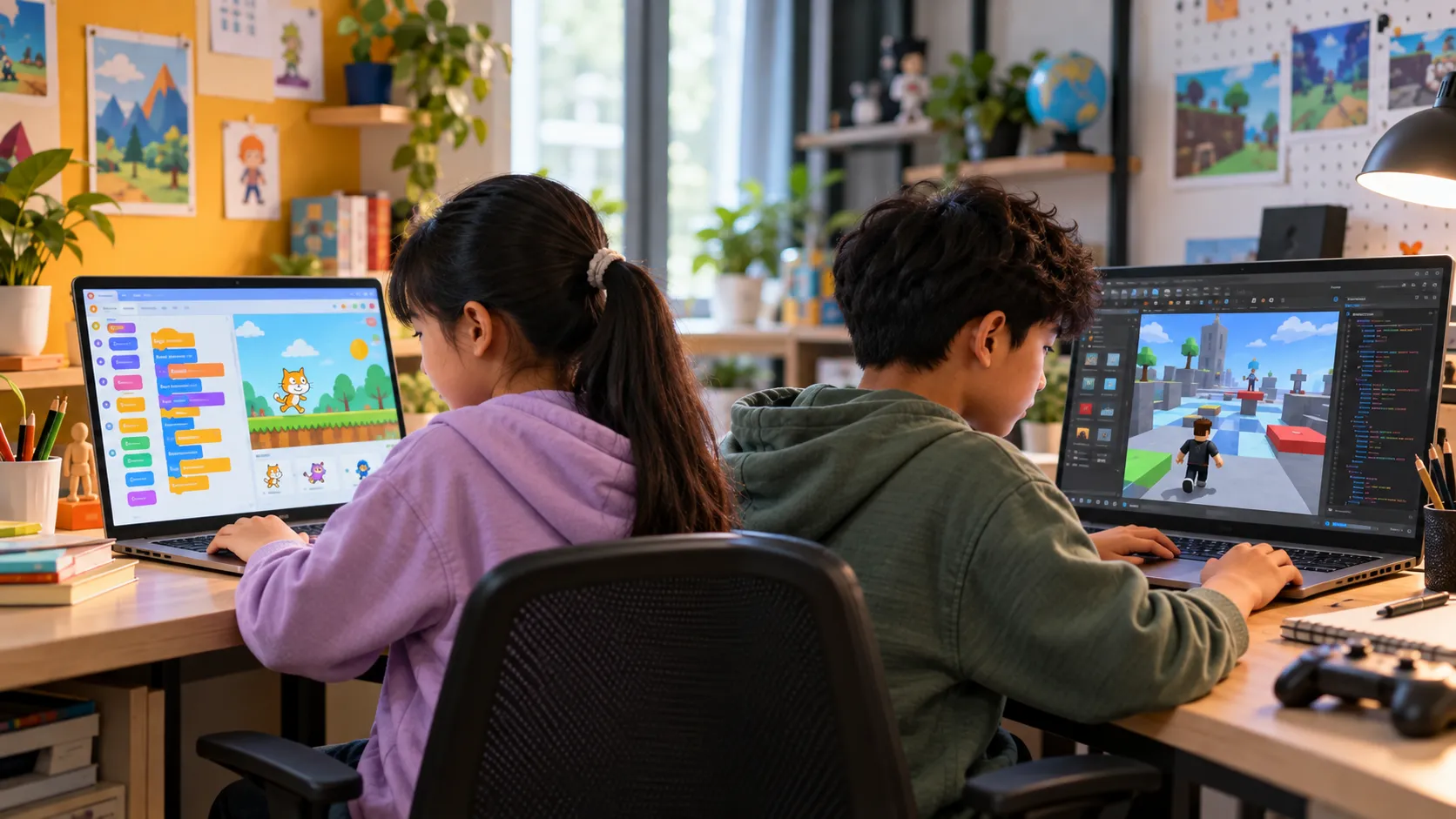
A study of Scratch use among children and teenagers aged 8–18 offers an example. It analyzed 536 Scratch projects over 18 months and found that participants learned important programming concepts through the projects they created.
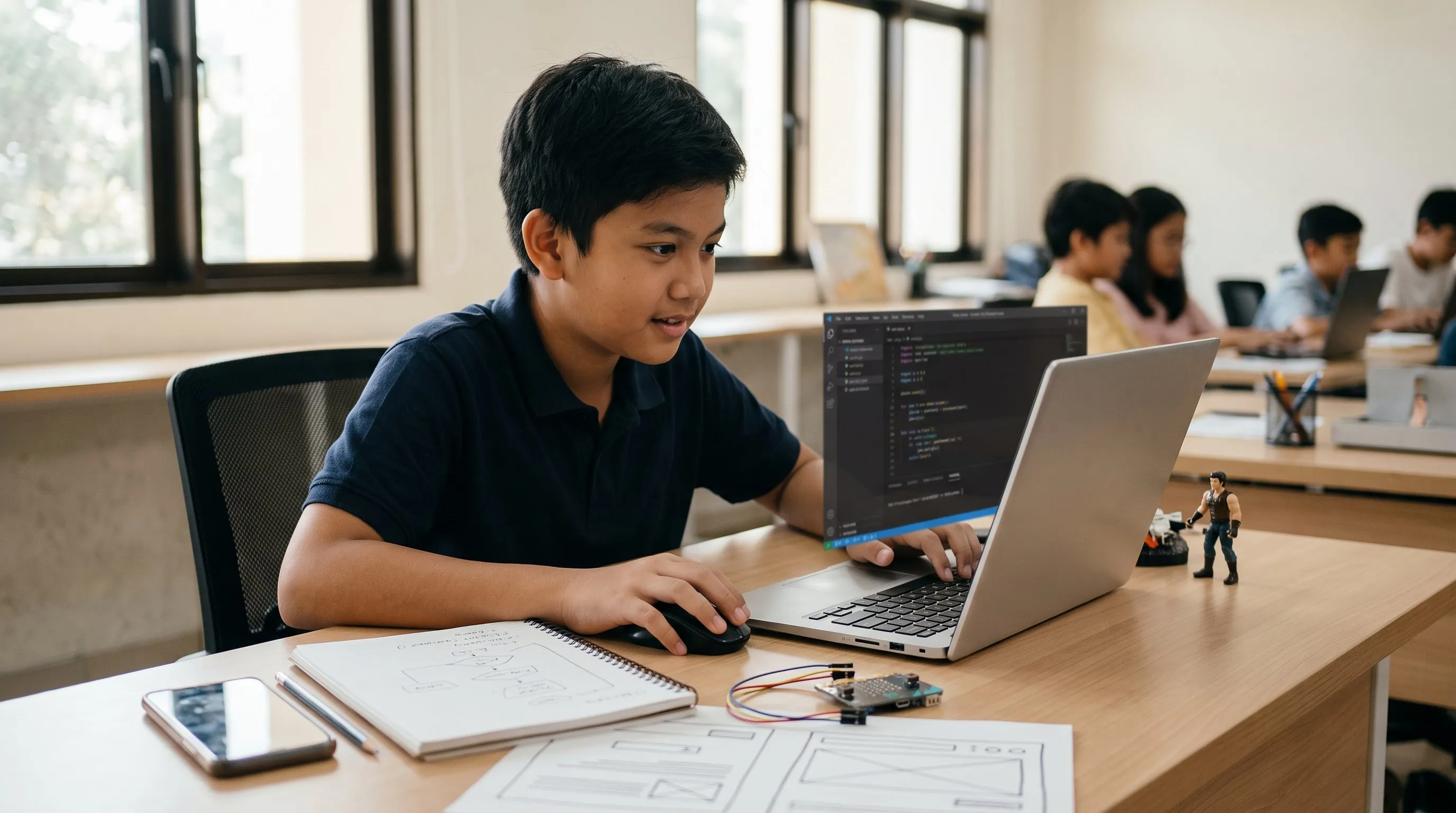
One way to discover whether a child who enjoys games is also interested in programming is to give them a chance to create something. Parents can then observe whether the child enjoys organizing logic, experimenting, and developing a project.
Signs of Interest That Matter More Than Simply Enjoying Games
Rather than focusing only on how often a child plays games, pay attention to their interest in the process behind them. Are they curious about how things are made? Do they want to create their own projects? Do they enjoy trying and making improvements when something does not work?
These signs are more relevant to an interest in programming than gaming habits alone. Available research shows benefits when children actively participate in programming, game creation, and computational thinking activities.
So, Is Programming a Good Fit for Children Who Enjoy Games?
Children who enjoy games deserve a chance to try programming, but their suitability cannot be determined from gaming habits alone. Games can provide a familiar and engaging starting point, while a deeper interest in programming becomes clearer as children create, experiment, solve problems, and understand the logic behind a program.
Research suggests that programming activities connected to games can support motivation, computational thinking, programming knowledge, and problem-solving. The focus remains on children's involvement in creating and learning, rather than simply their enjoyment of playing games.
Frequently Asked Questions
1. Does enjoying games mean a child has a talent for coding?
No. Enjoying games does not automatically indicate programming talent. It is better viewed as one possible entry point for introducing a child to programming.
2. How are games connected to learning programming?
Games can provide a familiar context for introducing programming concepts. Research suggests that game-based activities and game creation can support motivation, computational thinking, and an understanding of programming concepts.
3. How can parents tell whether programming is a good fit for their child?
One approach is to give children a chance to try programming and observe how they respond to creating projects, organizing logic, experimenting, and solving problems.
Introduce Your Child to Programming
If your child enjoys games and is becoming curious about how the technology behind them is created, programming may be an engaging activity to introduce. Let your child try it first and discover whether they enjoy creating, experimenting, and solving problems.
Explore programming and technology learning materials for children with us at Koding Akademi.