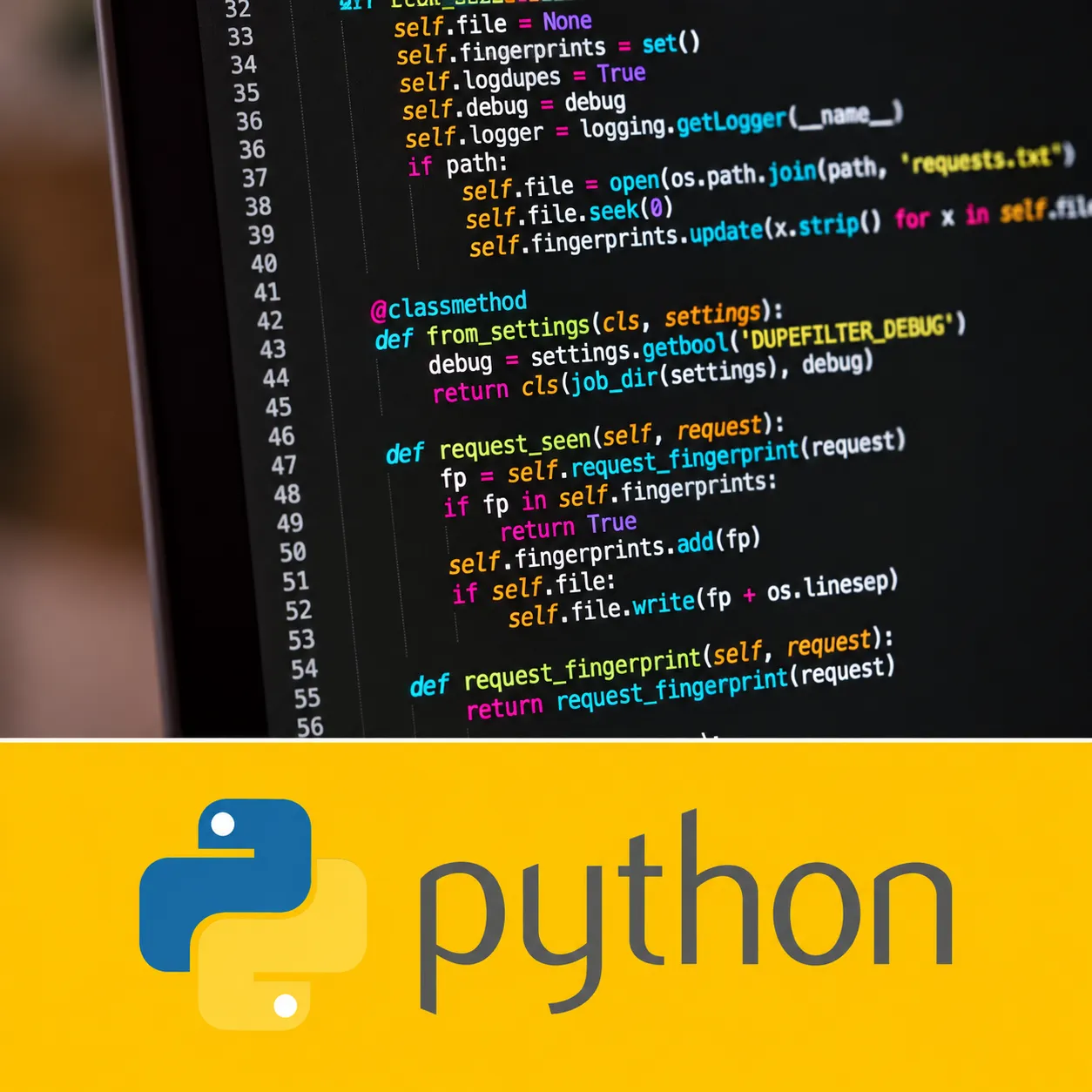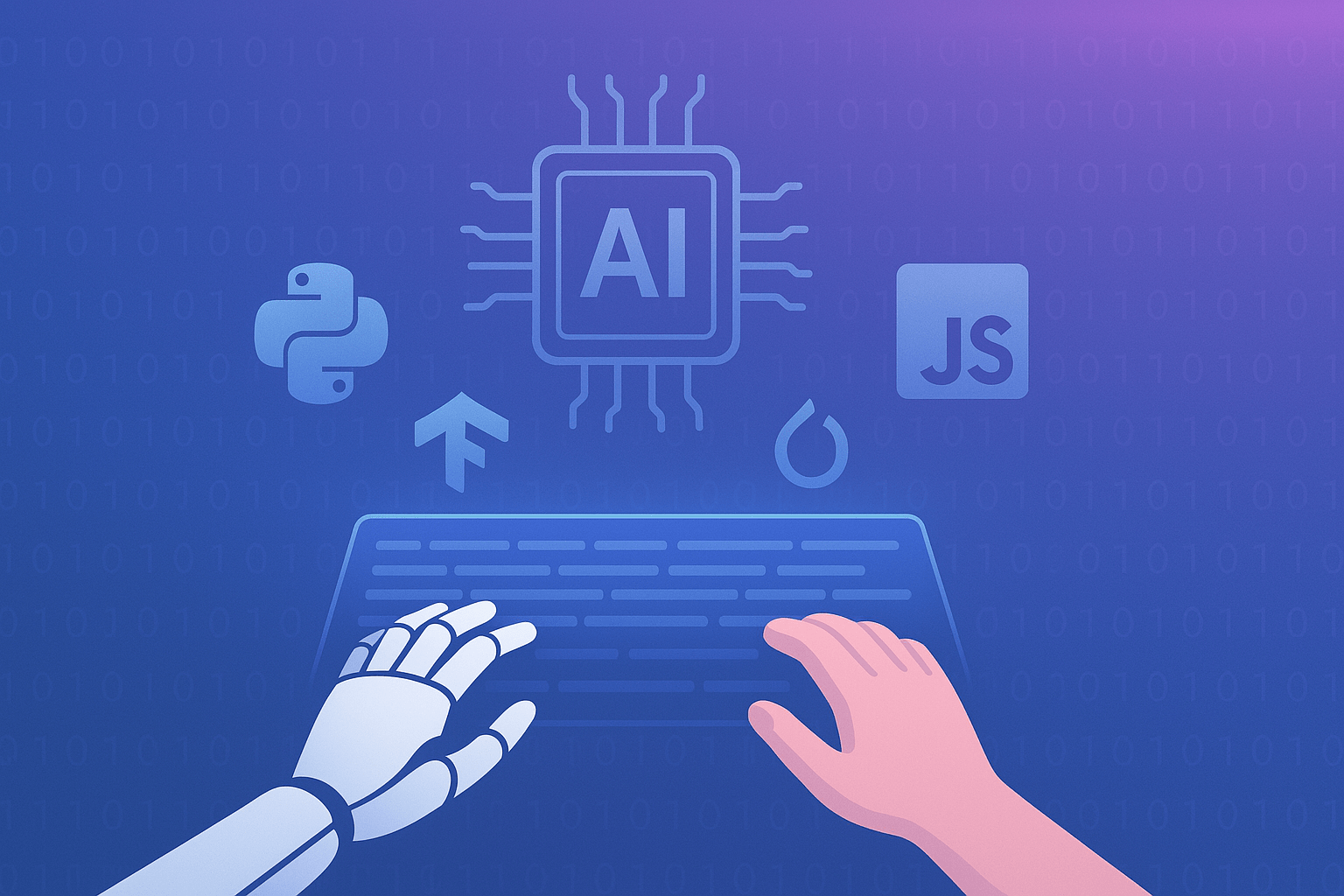
Coding means writing instructions for computers, while artificial intelligence (AI) refers to systems that perform tasks such as recognising patterns, making predictions, and generating responses. Programming is used to build, train, and integrate AI systems. Learning both can help you understand how digital tools work and create solutions of your own.
Coding and AI shape many of the tools we use to work, communicate, and manage everyday tasks. Understanding the basics gives you a starting point for exploring these technologies.
Understanding the Basics of Modern Technology
Before going further, it helps to understand what each term means.
A Simple Definition of Coding
Coding is the process of turning ideas into instructions a computer can execute. These instructions power smartphone applications, interactive websites, games, and automated systems. Programming lets you turn a concept into a digital product that others can use.
How Artificial Intelligence Works
AI is a field of computing focused on tasks that typically require aspects of human intelligence. Many AI systems use data to learn patterns and produce predictions or responses. Examples include virtual assistants, product recommendations in online shops, and facial recognition on phones.
How Programming and AI Connect
Programming provides the instructions and software infrastructure behind AI systems.
Developers use code to prepare data, build models, and run training processes. In machine learning, a model learns patterns from training data and uses them to produce outputs for new inputs. Developers then evaluate its performance and integrate it into applications, such as customer-service chatbots or photo filters. The accuracy of the results depends on the data, model, and task.
Why Learn Coding and AI?
Learning programming and AI can help you explore technology careers and develop practical problem-solving skills. You can use these skills to automate repetitive tasks, analyse information, and test ideas through working projects.
Career options include software development, data analysis, and AI-related roles. Requirements and pay vary by role, location, and experience. A useful starting goal is to build a portfolio that demonstrates what you can do.
Read also: Learning to Code for Beginners: Where Should You Start? (in Indonesian)
Steps to Start Learning
If you are interested but unsure where to begin, work through these steps at a pace that suits your experience.
Choose a Programming Language
Python is a common starting point because its syntax is readable and it has tools for data analysis and AI development. JavaScript or R may also suit your goals, depending on whether you want to work on web applications or statistical analysis.
Explore AI Tools and Frameworks
Once you understand programming fundamentals, explore tools that support AI development. TensorFlow, PyTorch, and scikit-learn are examples you may encounter. Start with one tool and learn how it fits your project rather than trying to master them all at once.
Practise with Small Projects
Apply what you learn through manageable projects. You could build a simple chatbot, classify the sentiment of sample text, or create a program that plays tic-tac-toe. Start with a clear task and a small dataset so you can understand and test each step.
Learn with a Community
Developer communities can help when you get stuck. Explore projects and discussions on GitHub, ask focused questions on Stack Overflow, or join a local programming group. When asking for help, explain what you tried and include the relevant error message or code.
Common Challenges and How to Handle Them
Beginners may find algorithmic logic, data preparation, and debugging difficult at first. Debugging means finding and fixing errors in your code. Working on several unfamiliar concepts at once can make a project feel overwhelming.
Break the problem into smaller tasks, test one change at a time, and keep notes on what you learn. Consistent practice and feedback from a community or instructor can help you make progress.
Frequently Asked Questions (FAQ)
1. Do I need to be good at maths to learn coding and AI?
Basic maths and logical reasoning are helpful, particularly for AI. You can start with introductory coding projects and learn the relevant maths as you progress. More advanced AI work may require topics such as statistics, probability, and linear algebra.
2. Which programming language should I learn for AI?
Python is a practical starting choice because it has many libraries for data processing and machine learning. It is not the only option; the right language also depends on your project and the tools you need.
3. How long does it take to learn these skills?
The time needed depends on your starting point, practice schedule, and goals. A structured study plan over three to six months can be a useful target for learning fundamentals and attempting simple projects, but it does not guarantee mastery. More advanced work requires continued study and practice.
Conclusion
Coding and AI give you ways to understand technology and build useful applications. Start with programming fundamentals, choose a small project, and improve your work through testing and feedback. Making mistakes is part of learning to write and understand code.
If you would like a more structured learning environment, explore coding and robotics programmes at Koding Akademi. Ask the team about the curriculum, instructor support, and options that match your current experience and learning goals.