One way to help children become more confident is to give them opportunities to try, face difficulties, learn from mistakes, and complete things themselves. Confidence grows through more than praise. Children need firsthand experiences that show them they can learn and improve.
Parents do not need to ensure that children succeed at everything. Through trying, failing, making improvements, and eventually succeeding, children begin to believe in their own abilities.
Give Children a Chance to Try for Themselves
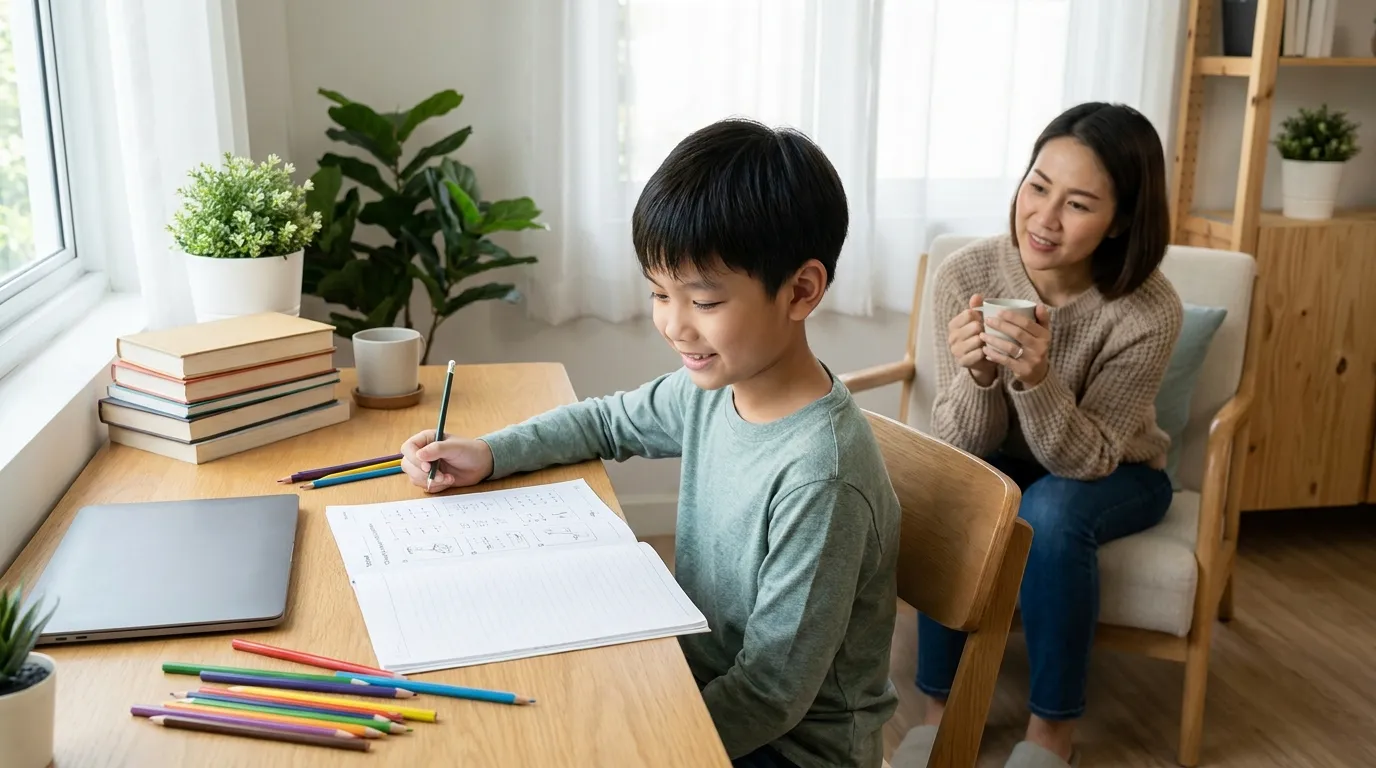
When children struggle, parents may want to help immediately. However, not every problem needs to be solved for them right away.
Give children time to try finding their own solutions first. When they eventually succeed, even after several attempts, they gain experience showing that they can handle a challenge.
This simple process can follow a pattern:
try → encounter difficulty → learn → succeed → feel capable → become more confident.
Confidence can grow through real experiences, alongside being told that they are doing well.
Value the Process, Not Just the Result
Praise should extend beyond good results. Children's efforts and learning processes also deserve recognition.
Instead of only saying, “You're smart,” parents can notice how children work to complete something—for example, by recognizing that they kept trying even when a task was difficult.
This helps children learn that making mistakes or encountering difficulties does not mean they are incapable. They can try again and grow through the process.
Help Children Feel Safe Making Mistakes
Mistakes are part of learning. If children are always afraid of being scolded for mistakes, they may become more hesitant to try something new.
Give children room to make mistakes and then learn to correct them. The aim is to help them see that failure is not necessarily the end of an effort, while still addressing mistakes appropriately.
Children can learn that they have another chance to try a different approach.
Give Children Small Responsibilities
Confidence can also develop when children feel trusted. One approach is to give them responsibilities that match their abilities.
For example, children can be given opportunities to make choices, complete a task, take care of something themselves, or explain their work to others.
Completing these responsibilities gives them experiences that demonstrate their ability to act independently.
Avoid Comparing Children Too Often
Comparing children with siblings, friends, or other children does not necessarily help them develop. Every child has different abilities and follows a different learning process.
Parents can focus on how their child has progressed compared with their earlier self, rather than whether they are doing better than others.
For example, a child may now be willing to try something they were previously afraid to do. Small improvements like these can contribute to building belief in their own abilities.
Help Children Find Activities They Enjoy
Children do not have to excel only in academics. Confidence can also grow when they discover activities that help them feel capable.
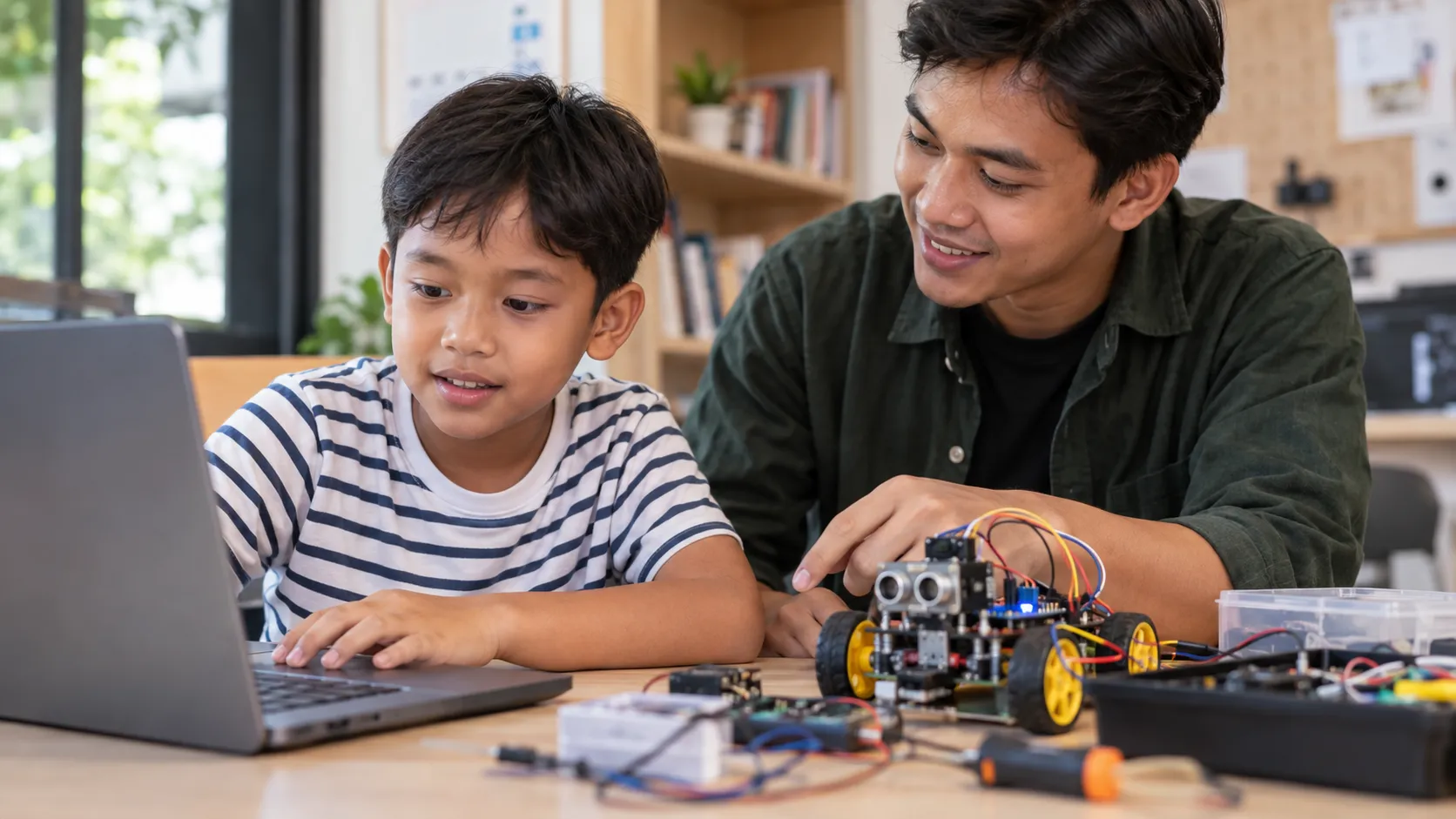
These might include coding, sports, music, drawing, public speaking, game creation, or other activities that match their interests.
As children keep learning and notice their own progress, they gain firsthand experience that skills can develop through practice.
Encourage Children to Create Something Themselves
Creating a project can help children see the results of their own efforts.
The project does not need to be large. What matters is that children have something they can look at and say, “I made this.”
Completing a piece of work can help them see the connection between their effort and the result.
Let Children Explain Their Work
After children create something, give them an opportunity to talk about or explain what they have made.
Parents can also ask for their opinions and listen without immediately correcting them. This helps children practice sharing ideas and see that their views have space to be heard.
Teach Children That Feeling Nervous Is Normal
Being confident does not mean children never feel afraid or nervous. They may still feel nervous when trying something new.
They can learn that feeling nervous does not have to stop them from trying.
Children can move forward even when they do not feel completely certain. Through these experiences, courage and self-belief can gradually develop.
Offer Challenges That Match Their Abilities
Challenges should be neither consistently too easy nor too difficult.
If everything is too easy, children have fewer opportunities to experience effort and growth. On the other hand, overly difficult challenges may make them feel incapable.
Offer challenges slightly beyond their current abilities so they need to try, learn, and put in effort to complete them.
FAQ: Confidence in Children
How can parents help children become more confident?
Give children opportunities to try things themselves, make mistakes, learn, and complete challenges. Experiences that help them feel capable can build confidence.
Does frequent praise make children confident?
Praise can be helpful, but it should go beyond results or telling children they are smart. Recognize their effort, willingness to try, and learning process as well.
Does feeling nervous mean a child lacks confidence?
Not necessarily. Children may feel nervous when facing something new. What matters is learning that they can still try while feeling nervous.
Build Confidence Through the Learning Process
Children's confidence does not develop in a single day. They need opportunities to try, face difficulties, make mistakes, learn, and observe their own progress.
Parents can help by providing space to learn and allowing children to work through challenges instead of always taking over. The more experiences that help children realize, “I can do this,” the more opportunities their confidence has to grow.
If you want to give your child more opportunities to learn through technology activities and projects, learn more at Koding Akademi. Children can join us to try new things, create projects, and develop their abilities through the learning process.