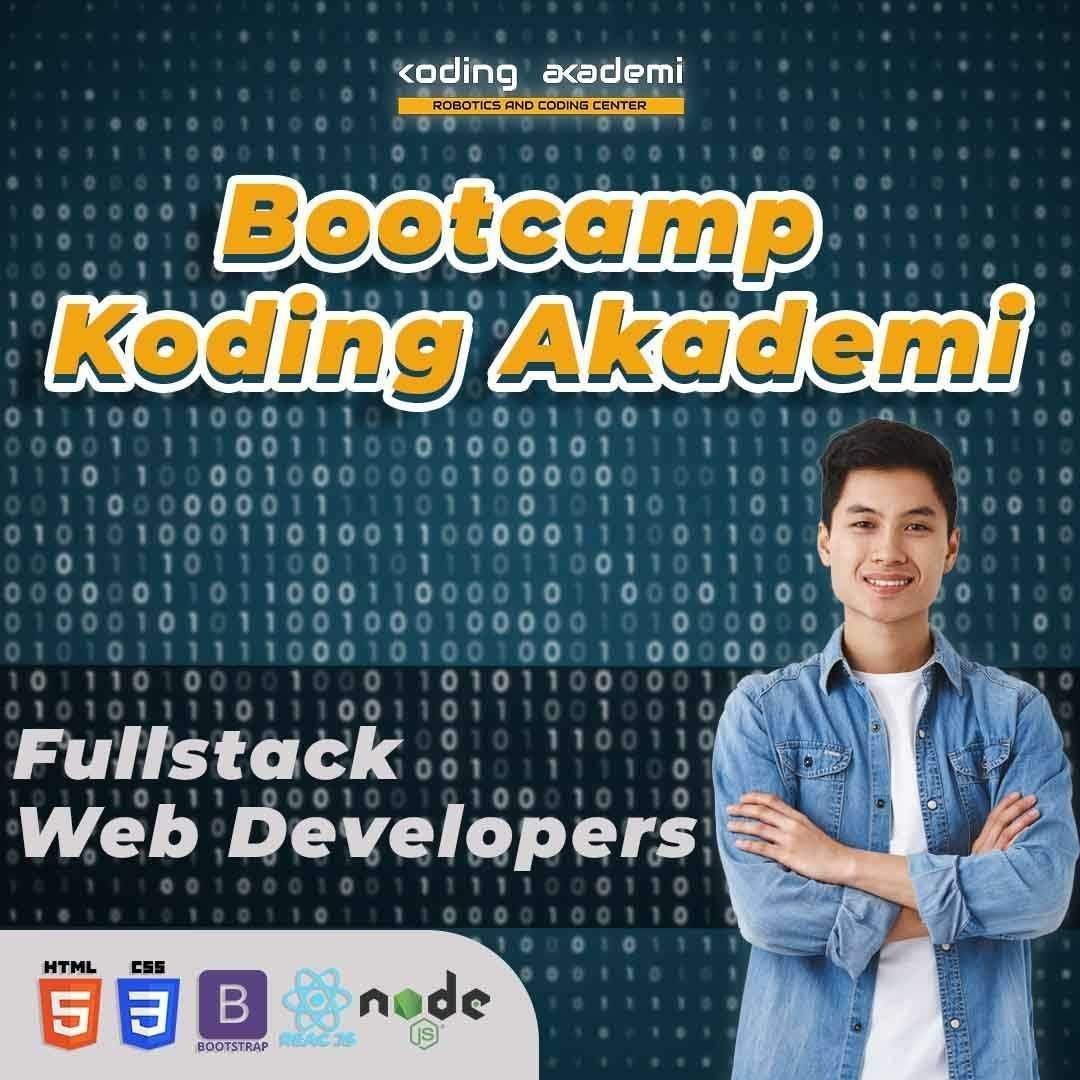
Full stack is a term in software development that refers to the ability to handle all parts of an application system, including both the frontend (user interface) and the backend (logic, server, and database).
In today's fast-paced digital work environment, developers with full-stack capabilities are in high demand because they can work holistically to build applications. It's no wonder many people are eager to learn what full stack is and how to become a full-stack developer.
Why You Need to Understand Full Stack
Understanding full stack is an essential step for anyone looking to enter the tech world. By having a comprehensive understanding of both frontend and backend, you will have a competitive advantage in the job market and in developing your own products.
Several reasons why full stack is important:
- Increases work flexibility
- Accelerates product development
- Adds value in the eyes of companies or clients
- Ideal for startups, freelance work, and small teams
Components in Full Stack Development
1. Frontend
Frontend is the part of the application that users interact with directly. Its main focus is on User Interface (UI) and User Experience (UX).
Commonly used technologies:
- HTML: The basic structure of web pages
- CSS: Visual styling such as colors, fonts, and layout
- JavaScript: Interactivity and client-side logic
- Frameworks: React.js, Vue.js, Angular
Examples of frontend implementation:
- Registration forms
- User dashboard displays
- Responsive navigation menus
2. Backend
Backend is the part of the application that is invisible to the user. This is where business logic, authentication, and data storage are processed.
Commonly used backend technologies:
- Programming Languages: Node.js, PHP, Python, Ruby, Java
- Frameworks: Express.js, Django, Laravel, Spring
- Databases: MySQL, PostgreSQL, MongoDB
The backend also plays a role in:
- Managing user requests
- Connecting the application to the database
- Providing APIs for the frontend
3. DevOps and Deployment
Once the application is built, the next step is to run it on a server so users can access it. This is where the role of DevOps comes in.
Commonly used tools:
- Docker: Creating containers for applications
- GitHub Actions / CI-CD: Automating testing and deployment
- Cloud Hosting: AWS, Google Cloud, Vercel
- Web Server: Nginx, Apache
DevOps helps maintain the performance and security of applications in a production environment.
Essential Skills for a Full Stack Developer
Becoming a full-stack developer requires a combination of technical skills and a structured mindset. Some of the key skills to master include:
- Understanding of programming logic
- Ability to work with databases
- Basic knowledge of web architecture
- Proficiency in Git and version control
- Debugging and testing skills
You don't need to master everything at once. Focus on the basics first, then develop your skills gradually.
How to Start Learning Full Stack
Starting to learn full stack is an exciting challenge and can be done by anyone, even without an IT background. Here are the general steps:
- Start with HTML, CSS, and JavaScript to build the frontend.
- Learn backend basics, for example with Node.js or Python Flask.
- Understand how databases work, both SQL and NoSQL.
- Build small projects, such as a to-do list, a blog, or a simple login system.
- Use GitHub to store your code and portfolio.
- Learn how to deploy applications to the internet using Netlify, Vercel, or a VPS.
The key is consistency and practicing with real-world projects.
Learn Full Stack at Koding Akademi
Want to learn full stack with direct guidance and structured material?
At Koding Akademi, you can learn full-stack development from scratch to advanced levels. Our curriculum includes:
- Frontend with HTML, CSS, and React
- Backend with Node.js and Express
- MongoDB and PostgreSQL databases
- A final project based on a real portfolio
- Live classes, video tutorials, and discussion forums
Perfect for beginners or those looking to upgrade their skills.
Register now and start your journey to becoming a full-stack developer with Koding Akademi!
Conclusion
Full stack is an application development approach that covers both frontend and backend. By mastering both, you can become a versatile, independent developer ready to face the challenges of the modern tech industry.
Learning full stack does take time and effort, but the results are well worth it—in terms of career growth, income, and personal satisfaction. And remember, by learning at the right place like Koding Akademi, the process can be much more directed and enjoyable.