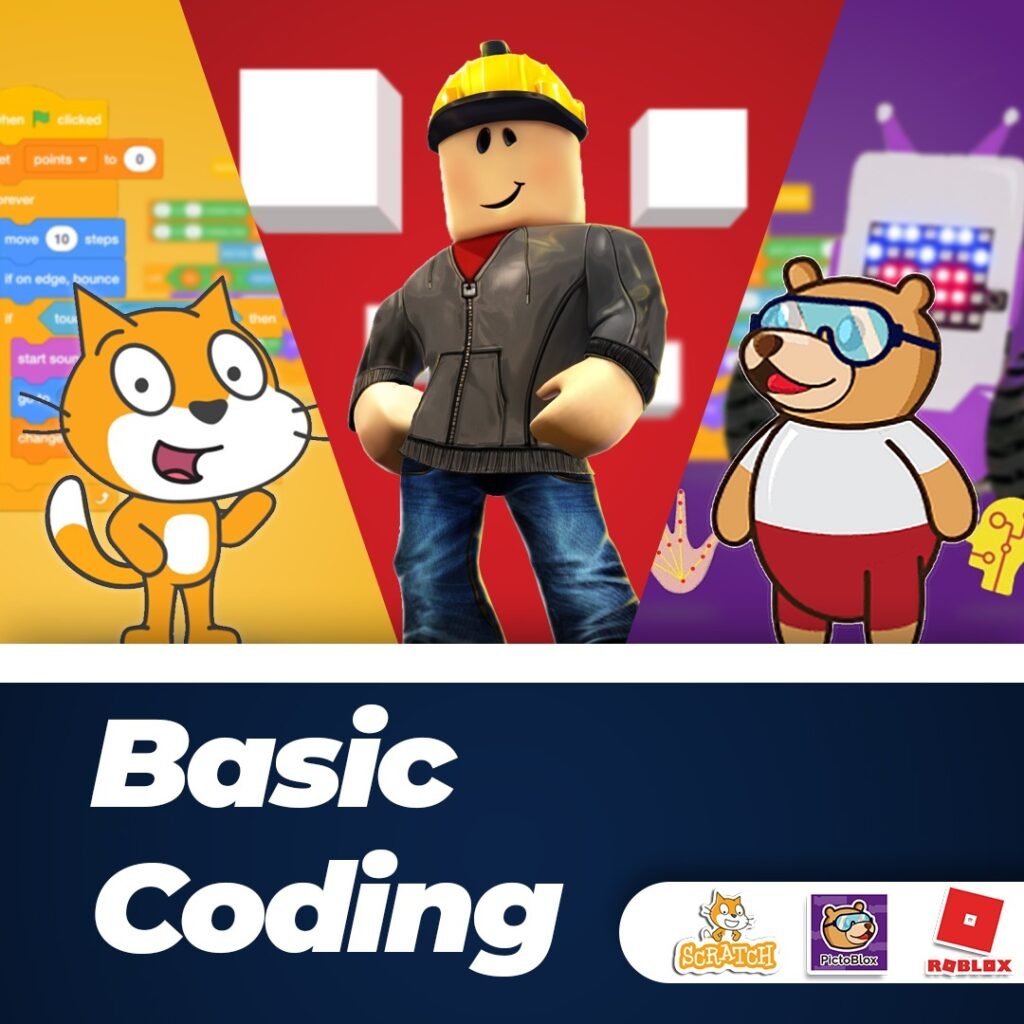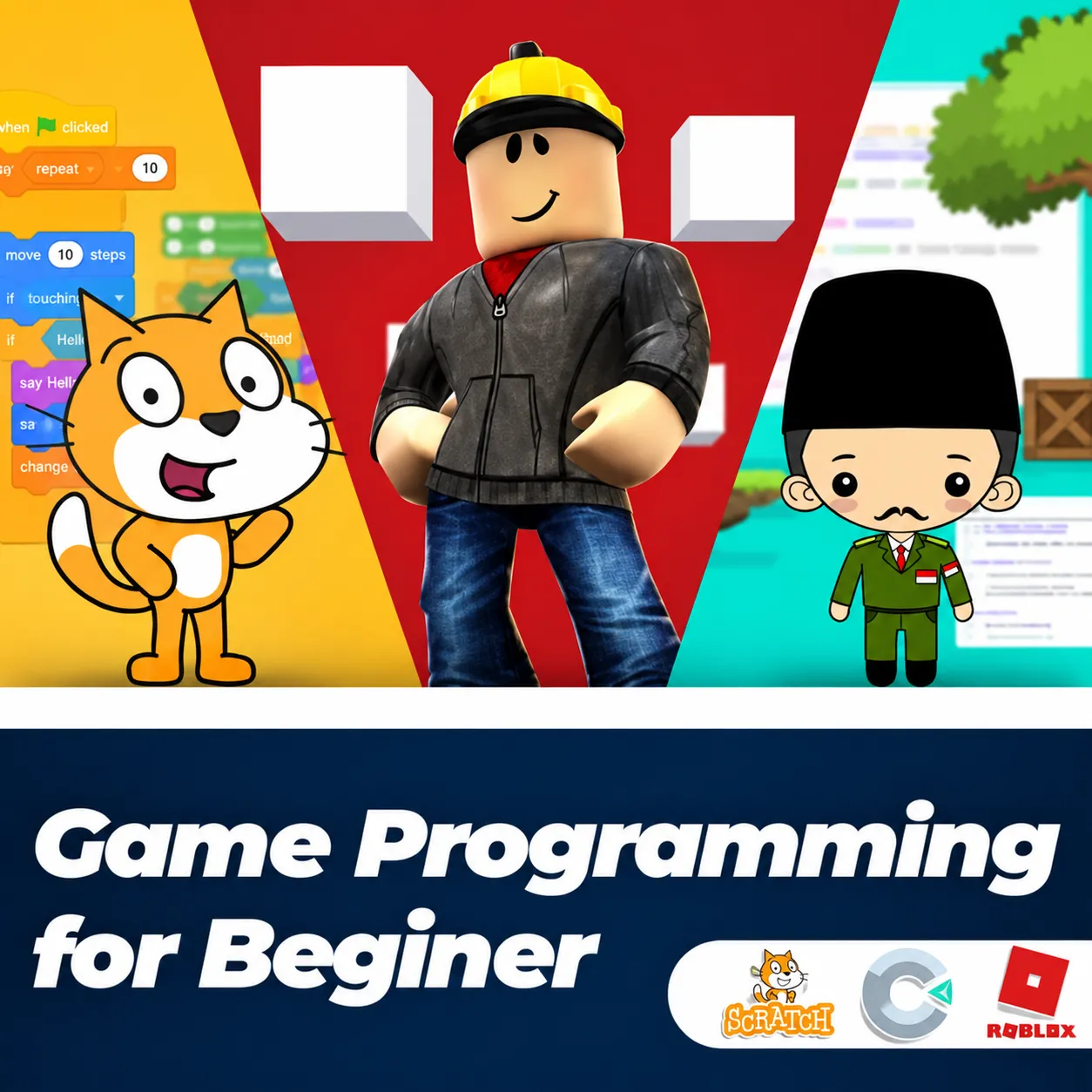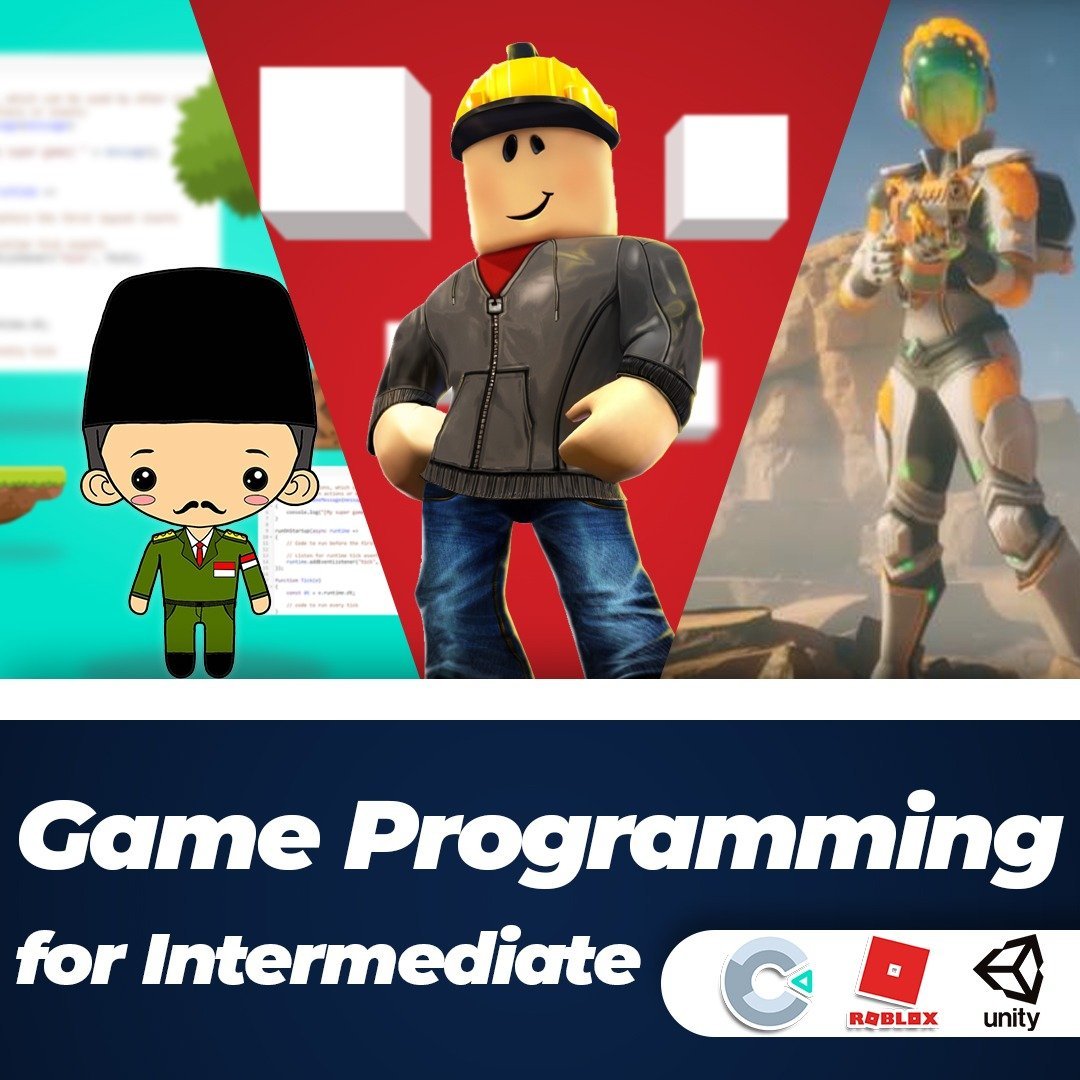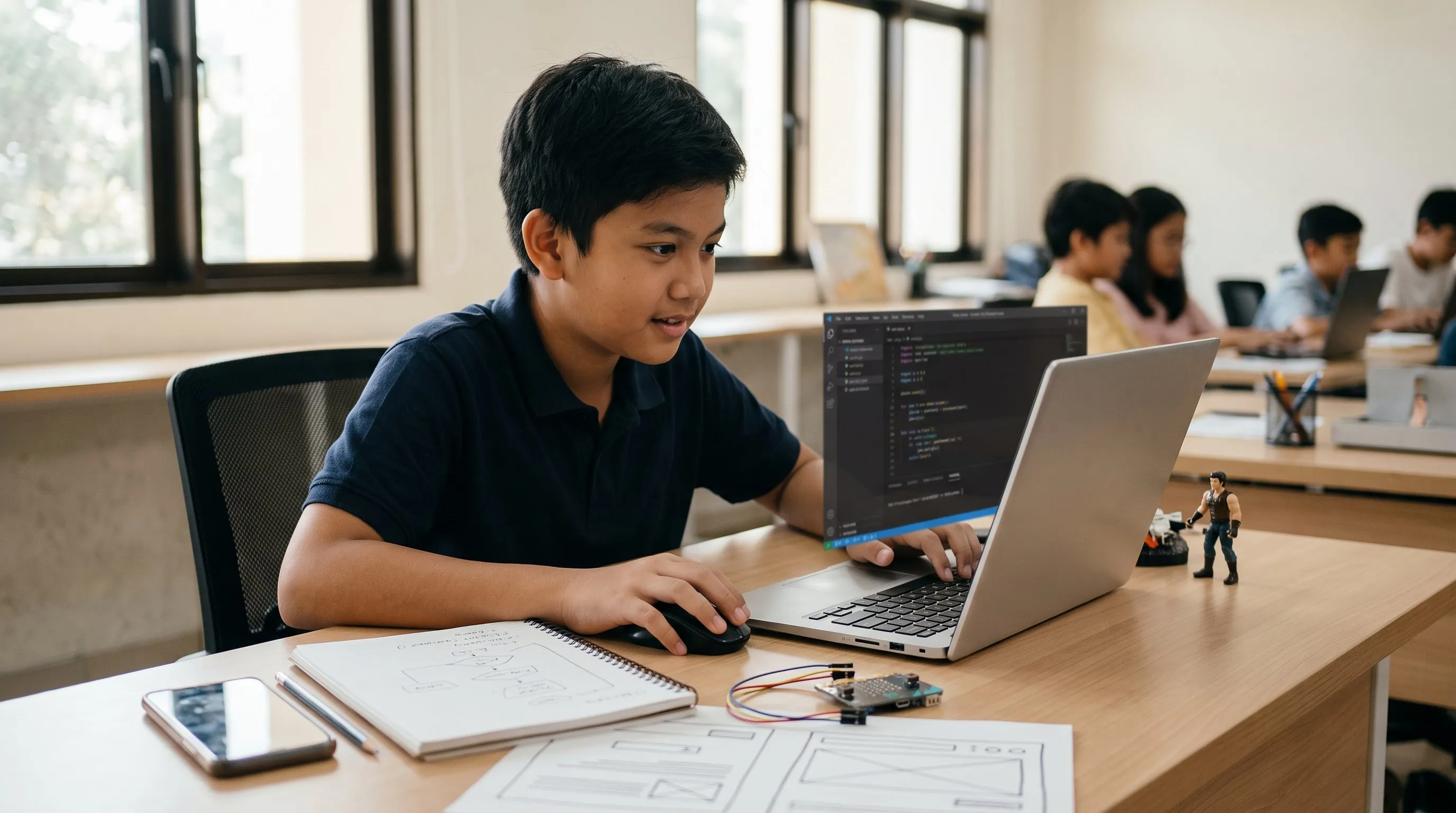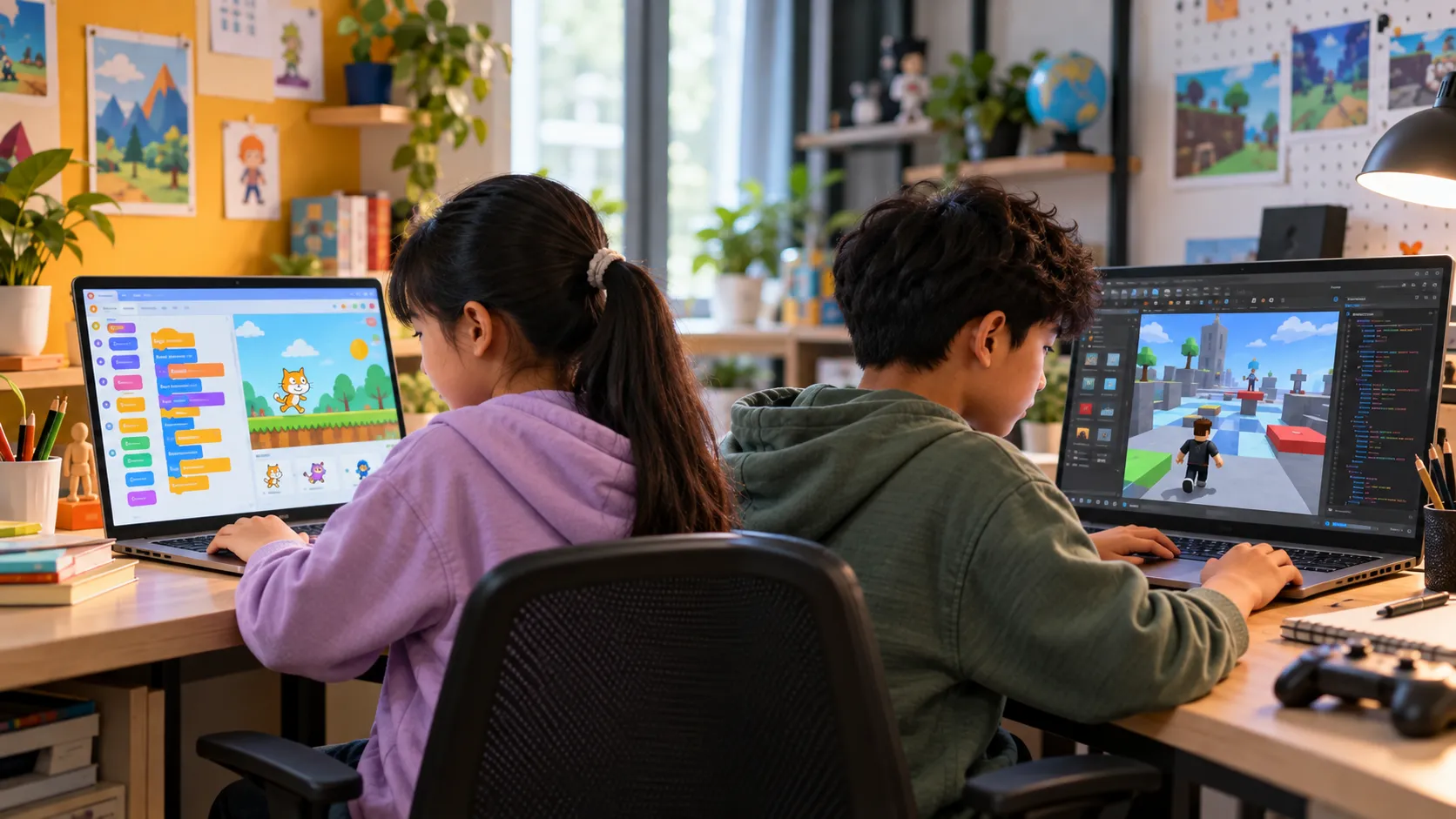
Coding is suitable for children interested in computers, games, animation, and digital problem-solving, while robotics may be a better fit for children who enjoy assembling things, experimenting, and seeing programs produce physical movement. However, children do not have to choose just one. Coding and robotics can be learned gradually and complement each other according to a child's age, interests, and learning style.
What Is the Difference Between Coding and Robotics?
Both coding and robotics introduce children to technology, logic, and problem-solving. The main difference is how children interact with the technology.
Coding Focuses on Digital Programs
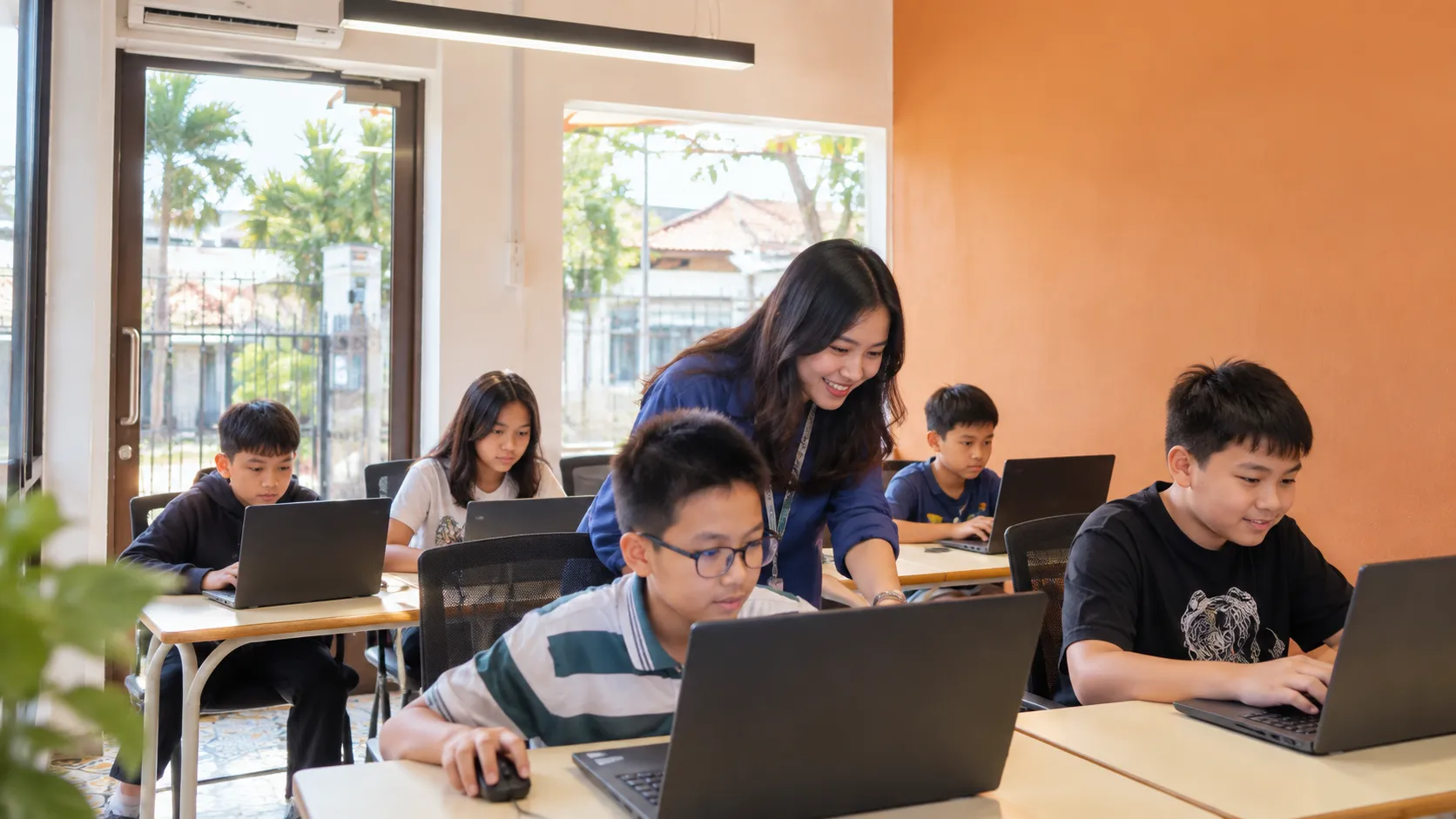
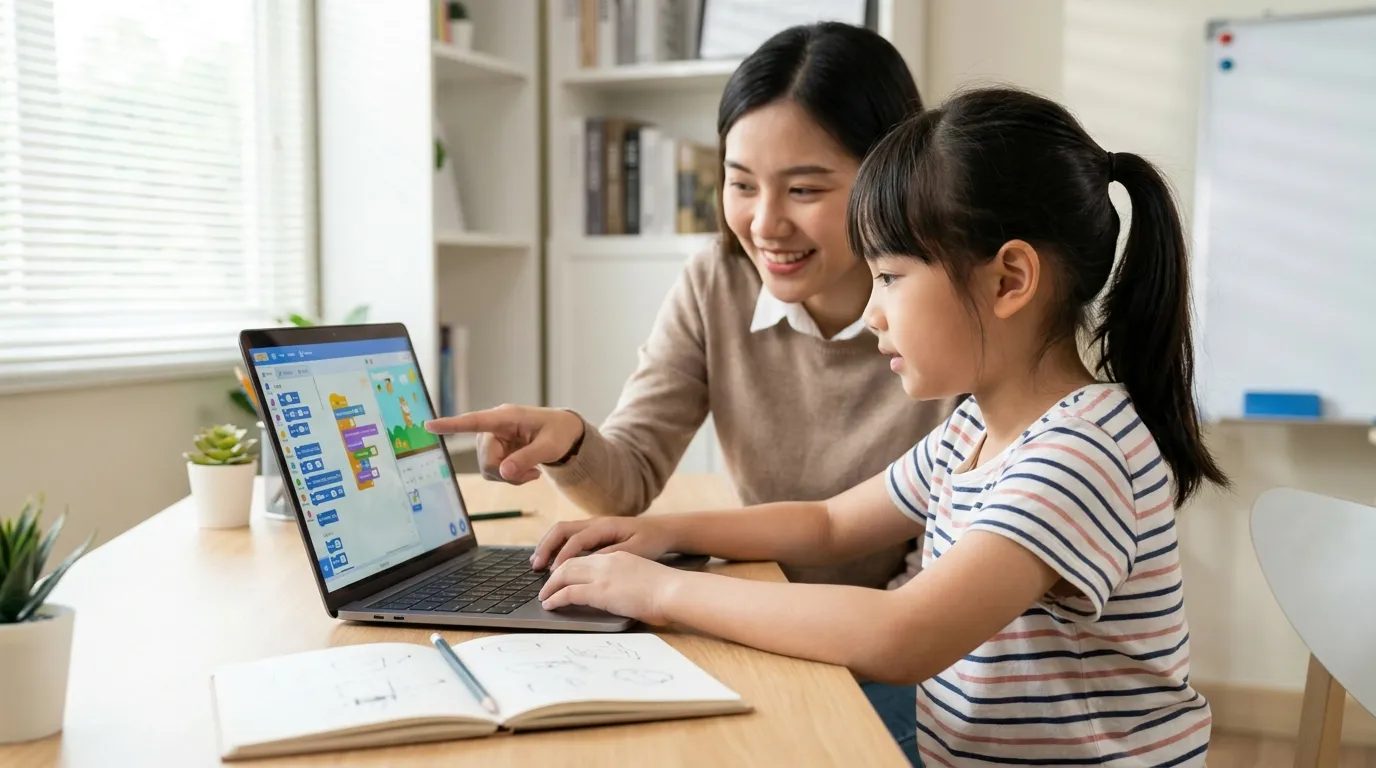
Coding is the process of giving a computer instructions using a programming language. For children, learning is usually simplified through games, animations, and creative projects.
Children can begin exploring concepts such as logic, algorithms, instruction sequences, conditions, and loops. As their skills develop, they can create simple projects such as games, animations, or applications.
Because much of the activity takes place on a computer, coding can be an engaging option for children who enjoy games, animations, digital activities, or problem-solving challenges.
Robotics Combines Coding and Hardware
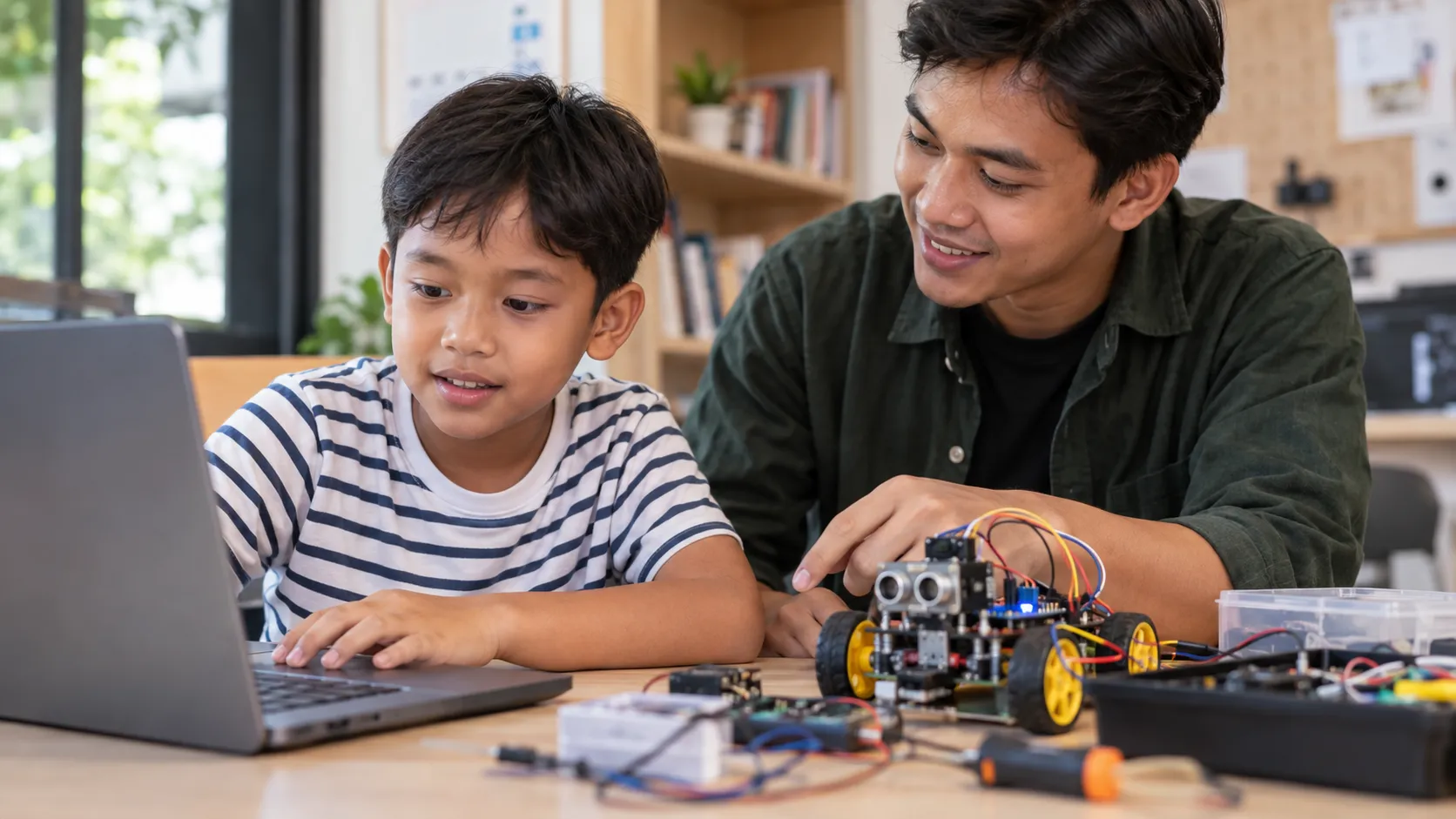
Robotics combines programming with hardware. Children learn how code can be used to control physical devices.
They may be introduced to components such as sensors, motors, and control systems. Their programs are then used to make a robot perform tasks or respond to specific conditions.
Because the results can be seen directly in a robot's movements or responses, robotics can appeal to children who enjoy assembling, building, hands-on activities, and experiments.
Which Is a Better Fit for Your Child?
No single option is right for every child. Parents can consider their child's interests, age, and learning style before choosing a class.
If your child is more interested in computers, games, animation, or digital activities, coding can be an engaging starting point. They can build projects while gradually learning programming fundamentals.
If your child prefers practical activities such as assembling, building, and experimenting with physical objects, robotics may be a better fit. Children can see directly how their code affects a robot's movements or responses.
Coding and robotics can also complement each other. Coding fundamentals help children understand how a robot receives and executes instructions.
Benefits of Coding and Robotics for Children
Learning coding and robotics involves more than using computers or building robots. Children also practice logical thinking, finding solutions, and developing ideas through their projects.
Developing Logical Thinking
In both coding and robotics, children need to arrange instructions in sequence so that a program works as intended. This helps them understand the relationship between an instruction and its result.
Developing Problem-Solving Skills
Programs do not always work correctly on the first attempt. Robots may also move differently from what children expect.
When this happens, children need to identify the cause, try solutions, and make improvements. This process helps develop problem-solving skills.
Providing Space for Creativity
Coding and robotics allow children to create projects based on their own ideas. In coding, these may be games or animations. In robotics, children can build robots with particular functions or responses.
Building Perseverance Through Practice
Mistakes are part of learning coding and robotics. Children can learn to try again, identify what needs fixing, and make changes until their projects work as intended.
Introducing How Technology Works
With appropriate lessons, children begin to understand how technology works. They learn that games, digital programs, and robots operate through instructions and systems created by people.
How to Choose a Coding or Robotics Class
Parents can consider a few simple factors before choosing a class.
Match the Material to Your Child's Age and Abilities
Choose an appropriate difficulty level so that your child can follow the lessons without feeling overwhelmed.
Pay Attention to Your Child's Interests
Notice which activities capture your child's attention. Children who enjoy games and computers may prefer coding, while those who like making and assembling things may enjoy robotics.
Choose Project-Based Learning
Projects allow children to apply the concepts they are learning directly. Alongside understanding theory, they see how those concepts produce tangible results.
Consider the Teaching Approach
Interactive lessons that provide room to try things can help children participate more actively. They also have opportunities to experiment and find solutions when problems arise.
Look Beyond the Final Result
In coding and robotics, trying ideas, finding errors, and making improvements are important parts of learning. A child's progress should therefore be assessed through the process as well as the completed project.
FAQ: Coding and Robotics for Kids
Do children need to know coding before learning robotics?
Not always. Children can join beginner robotics classes that gradually introduce programming fundamentals.
At what age can children start learning coding?
Children can begin exploring coding concepts in elementary school, provided the teaching methods and difficulty level match their abilities.
Can children learn coding and robotics together?
Yes. Coding provides a foundation for understanding how robots receive instructions, so the two can be learned gradually and complement each other.
Start Learning Coding and Robotics
The choice between coding and robotics should reflect your child's interests, age, and learning style. Coding can suit children who enjoy digital activities, while robotics offers more experience with physical devices and hands-on experiments.
Children can explore both gradually, giving them opportunities to try different areas of technology and discover which activities they enjoy most.
If you want to introduce your child to coding or robotics through structured, hands-on learning, join us at Koding Akademi. Learn more about the available programs at Koding Akademi.