When looking for a coding course in Bali, start with your learning goals. Do you want to build websites, develop applications, or understand programming fundamentals? Your goals will help you choose the right topics and course level.
This guide covers what coding means, its benefits, programming languages you can explore, and what to consider before choosing a course at Koding Akademi.
What Is Coding?
Coding is the process of writing instructions in a programming language to make a computer perform specific tasks. These instructions can process data, display web pages, or control how an application works.
Learning to code also involves planning solutions, testing programs, and fixing errors. For more detail, read our introduction to coding and how to learn it (in Indonesian).
Benefits of Learning to Code for Beginners
Learning to code helps you understand how software is built. You can use these skills to:
- Create your own projects, such as a portfolio website, an interactive quiz, or a simple note-taking application.
- Practise problem-solving by breaking larger tasks into smaller steps.
- Process data and automate tasks, such as calculating scores or organising a list of records.
- Explore technology fields before choosing a more advanced learning path, such as web development, game development, or data analysis.
These skills develop through practice. Alongside your course, make time to work independently and review your projects.
Programming Languages You Can Learn
Different programming languages serve different purposes. You do not need to learn them all at once. Choose one that suits your first project.
Python
Python can be used to build simple programs, process data, and explore artificial intelligence. Its relatively concise syntax makes it an option for getting started with programming concepts.
Java
Java is used to develop a range of applications and supports object-oriented programming. Learning Java introduces you to organising code with classes and objects.
C and C++
C introduces concepts such as data types, functions, and memory management. C++ supports both procedural and object-oriented programming and is used in areas such as software and game development.
PHP
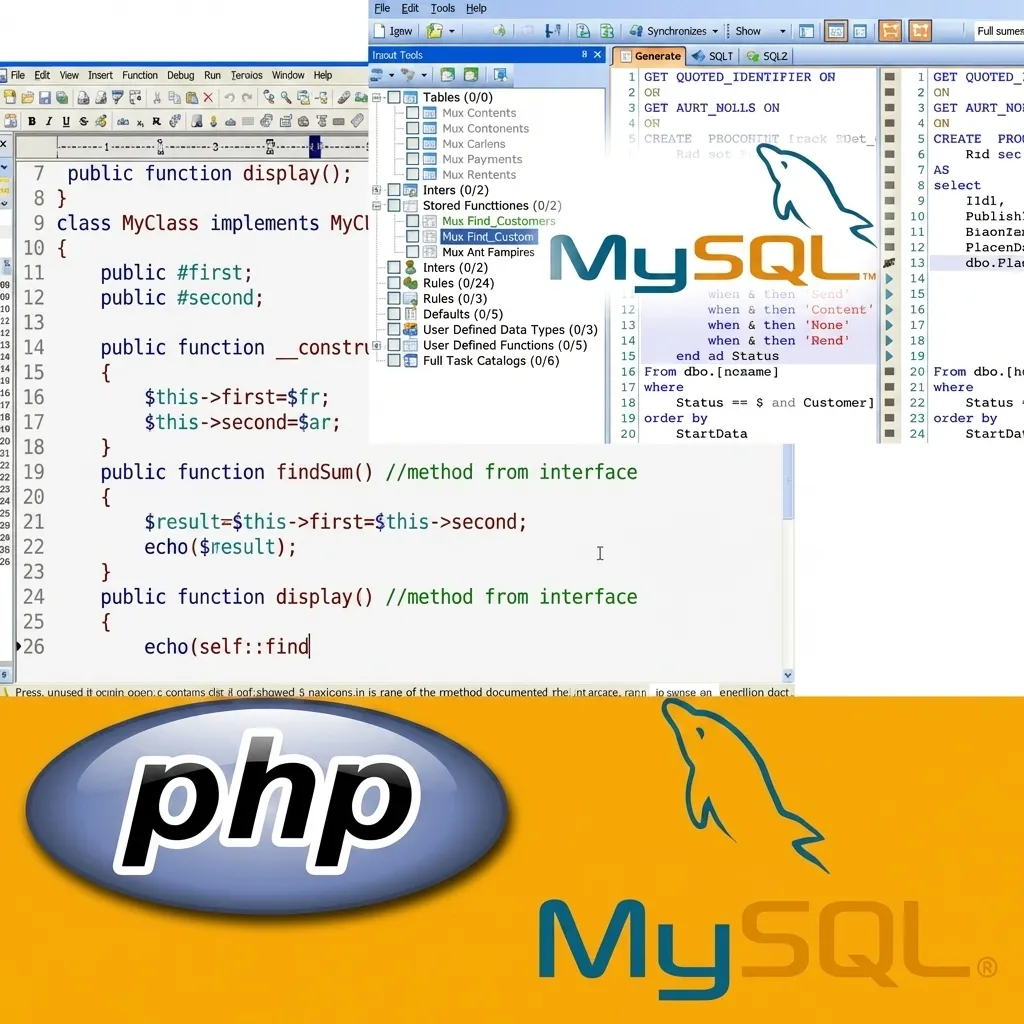
PHP is a server-side programming language used in web development. It can process forms, manage information from databases, and display dynamic content.
Visual Basic
Visual Basic is a Microsoft programming language that can be used to develop applications in the .NET environment. If you are interested in learning it, check that the course content and tools suit your project.
How to Start Learning to Code
1. Choose a Simple Project
Decide what you want to build, such as a calculator, a to-do list, or a personal website. A small project helps you connect what you learn with a working result.
2. Learn the Fundamentals
Start with variables, data types, operators, conditional statements, loops, and functions. Then learn how to store collections of data using suitable structures, such as arrays or lists.
3. Understand Syntax and Learn to Fix Errors
Syntax is the set of rules for writing code in a programming language. Get into the habit of reading error messages, checking the relevant code, and testing changes step by step. Finding and fixing errors is called debugging.
4. Use Suitable Learning Tools
You will need a code editor and a compiler or interpreter appropriate for your chosen language. As your projects grow, learn to use version control to track changes to your code.
5. Practise and Ask for Feedback
Repeat exercises with small variations, then try building a project without copying the entire example. Discuss anything you do not understand with your instructor so you can learn the reasoning behind each step.
How to Choose a Coding Course in Bali
Before enrolling, compare the following points to find a class that suits your needs:
- Level and intended audience: check that the class matches your age, experience, and learning goals.
- Topics and prerequisites: ask which programming languages are covered and what prior knowledge you need.
- Practice and projects: request examples of the exercises or projects you will work on.
- Instructor support: find out how you can ask questions and receive feedback on your code.
- Schedule, location, and fees: confirm the course duration, laptop requirements, and what the fees include before deciding.
Learning to Code at Koding Akademi
Koding Akademi is one option for learning to code in Bali. Ask the team which programmes match your current skills and the types of projects you want to build.
Before choosing a class, discuss the curriculum, schedule, fees, and available support with the Koding Akademi team. If you are interested in an internship, ask directly about availability and eligibility requirements.
Start with Your Learning Goals
A coding course in Bali can give your learning a clearer structure. Choose a class based on your goals, the topics covered, and opportunities to practise, then build your skills through projects.
Ready to take the first step? Contact the team through the official Koding Akademi website to ask which programmes suit your needs.