Children aged 3 need consistent fine motor skill stimulation through the right play activities, as these skills directly impact writing readiness, hand coordination, and independence in later development stages.
Why Fine Motor Skills Matter at Age 3
Fine motor skills involve the use of small muscles in the hands and fingers in a coordinated way. At age 3, this development is at a crucial stage.
According to the American Academy of Pediatrics, early fine motor stimulation helps children develop essential skills such as writing, drawing, and daily self-care activities. In addition, research published in the Early Childhood Education Journal shows that strong hand coordination is linked to early academic performance, especially in reading and writing.
Recommended Toys to Improve Fine Motor Skills
Building Blocks to Strengthen Finger Muscles
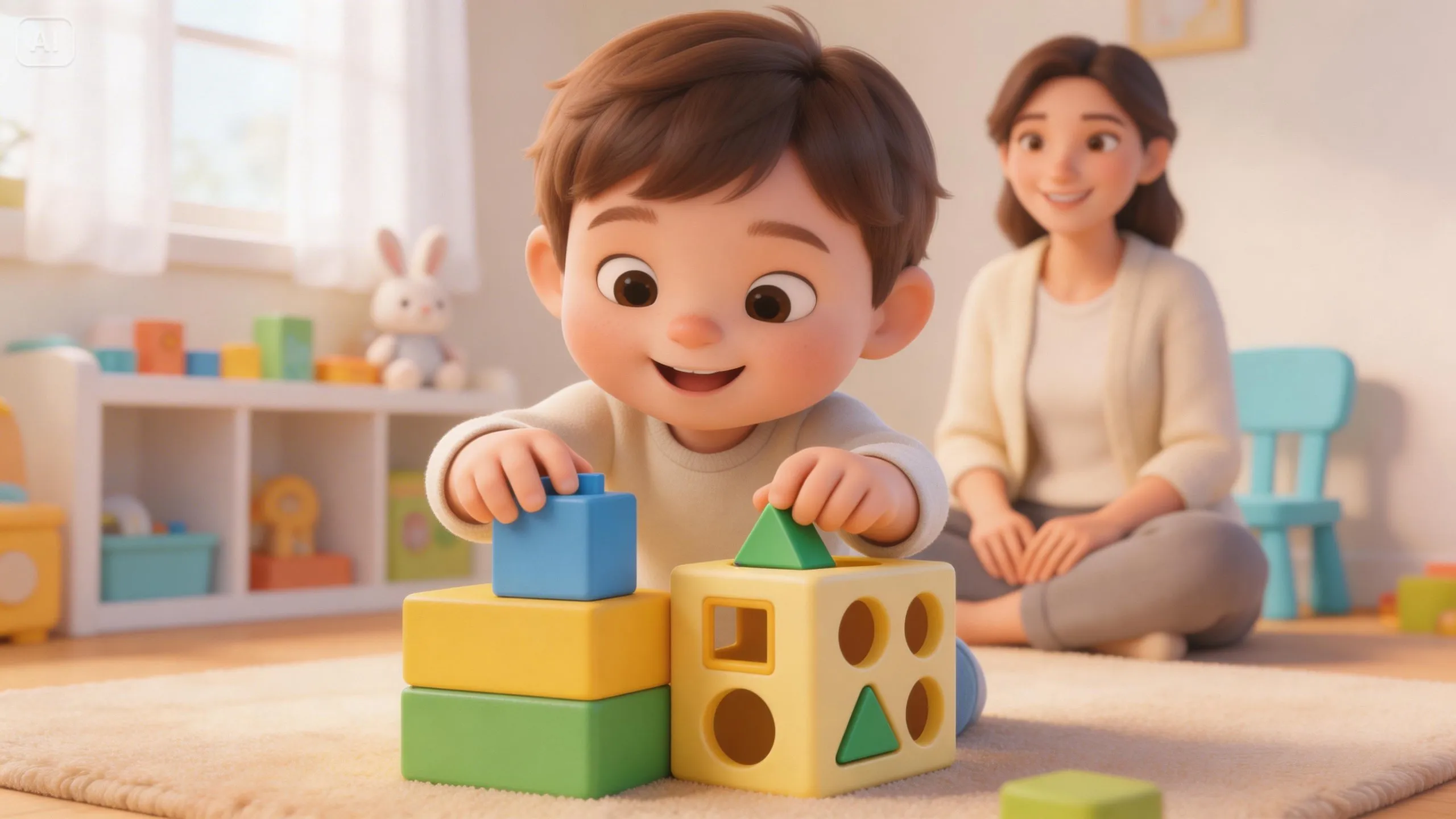
Blocks like LEGO DUPLO are designed with larger sizes for easy gripping. Stacking and separating blocks helps strengthen finger muscles and improve hand coordination.
Based on research from the National Association for the Education of Young Children, constructive play such as building blocks enhances problem-solving skills and motor coordination.
Shape Sorting Toys for Hand-Eye Coordination
Toys like Melissa & Doug Wooden Shape Sorting Cube help children recognize shapes while improving hand-eye coordination.
According to studies by the Harvard Center on the Developing Child, shape-matching activities strengthen neural connections between vision and movement, which are essential for complex learning later in life.
Fine Motor Toys for Precision and Control
Games like Learning Resources Spike the Fine Motor Hedgehog encourage children to place small pieces into specific positions. This activity improves finger control and precision.
Research in the Journal of Occupational Therapy for Children highlights that small object manipulation effectively strengthens hand muscles and enhances movement accuracy.
Montessori Toys for Early Problem Solving
Montessori Shape Sorting Toy teaches children to try, fail, and try again until they succeed.
The Montessori method is globally recognized and supported by studies from the American Montessori Society, which show that this approach improves independence and critical thinking skills from an early age.
The Role of Parents in Supporting Development
Guidance Without Over-Controlling
Children learn best when given space to explore. Parents should provide support while ensuring safety.
Encouragement Builds Confidence
Simple praise when children succeed increases intrinsic motivation. Research from Stanford University on growth mindset shows that praising effort (not just results) encourages children to take on new challenges.
Focus on the Learning Process
Trial and error is a key part of learning. Children who are used to trying will develop stronger resilience.
Long-Term Benefits of Strong Fine Motor Skills
Well-developed fine motor skills help children:
- Prepare for writing and reading
- Become more independent in daily activities
- Improve coordination for academic and non-academic tasks
Research from the World Health Organization emphasizes that optimal early motor development contributes to school readiness.
Frequently Asked Questions (FAQ)
When is the best time to train fine motor skills?
Ages 2–3 are ideal because hand muscles develop rapidly and children have high curiosity.
How long should children play for motor skill stimulation?
15–30 minutes per session is enough, with daily consistency for optimal results without causing fatigue.
Can gadgets improve fine motor skills?
Not effectively. Physical activities like stacking, inserting, and handling real objects are much more beneficial than touchscreen use.
Conclusion
Improving fine motor skills doesn’t have to be complicated. With the right toys and proper guidance, children can grow optimally while enjoying playtime.
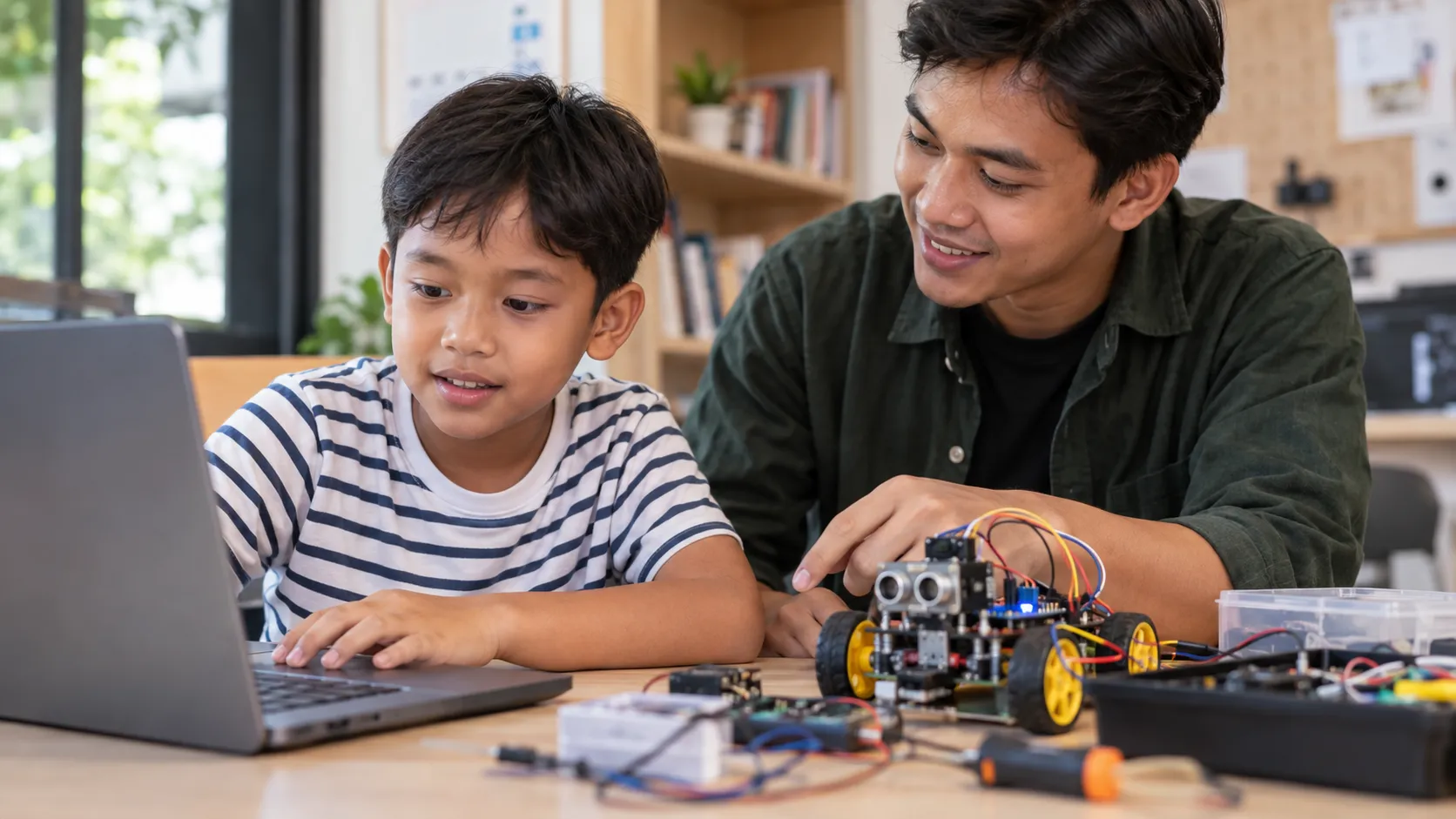
Want your child to be prepared not only physically but also for the digital future? Start introducing robotics learning today at https://www.kodingakademi.id/