Choosing the best robotics course for children and beginners depends on three main factors: an age-appropriate, progressive curriculum, hands-on project-based learning, and interactive mentor support. The right course goes beyond teaching children to assemble components. It helps them develop logical thinking, creativity, and problem-solving skills through structured guidance.
Key Criteria for Choosing a Robotics Course
When looking for the right program, consider several essential factors to help make your child's learning experience effective and enjoyable.
1. A Progressive Curriculum That Matches Age and Abilities
Different age groups have different needs and levels of understanding. For younger children or beginners, lessons should start with basic mechanics, motor skills, and visual logic. As children grow and gain understanding, the curriculum should progress to more complex topics such as sensors, microcontrollers, and text-based programming languages.
2. Hands-On, Project-Based Learning
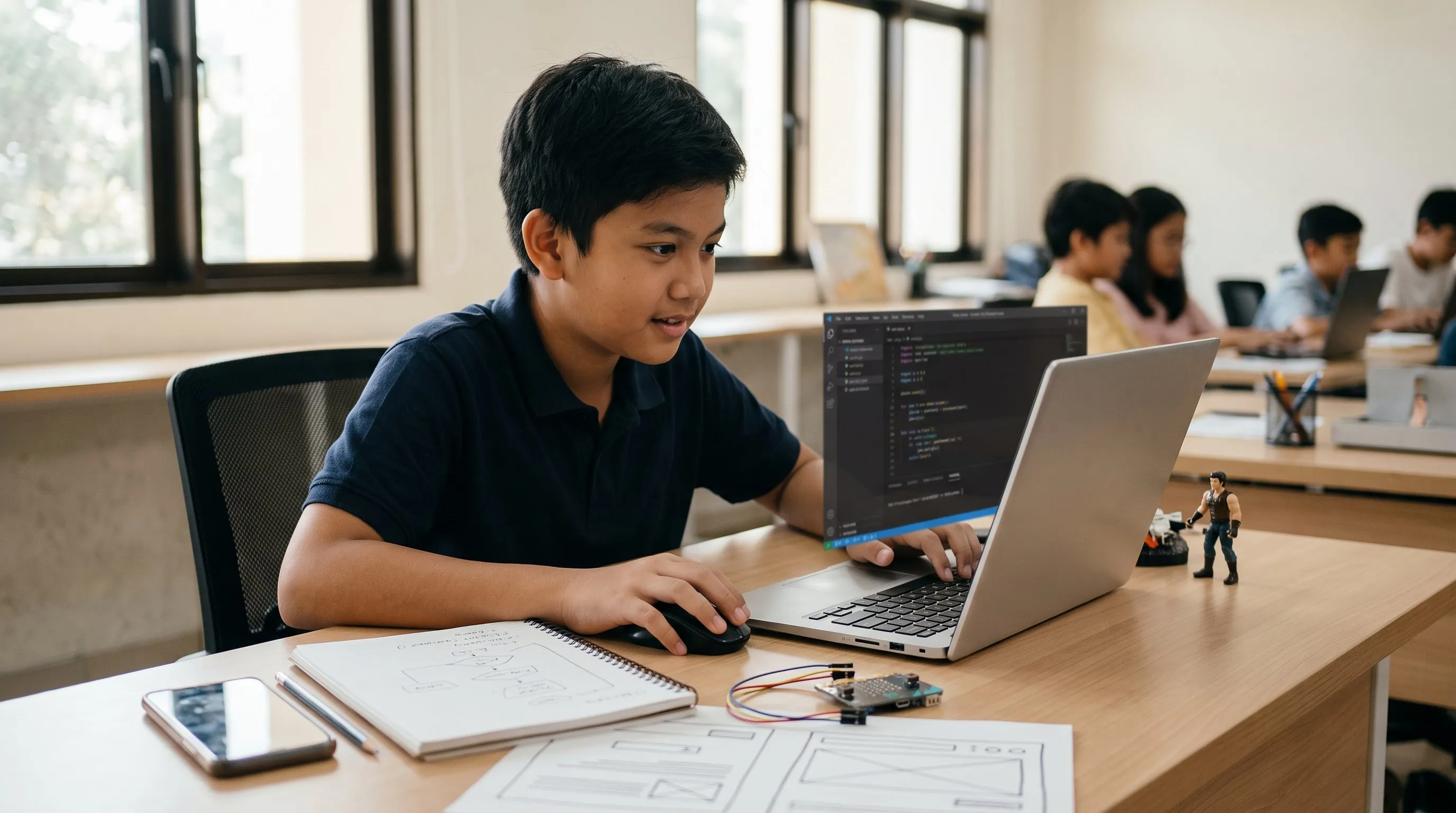
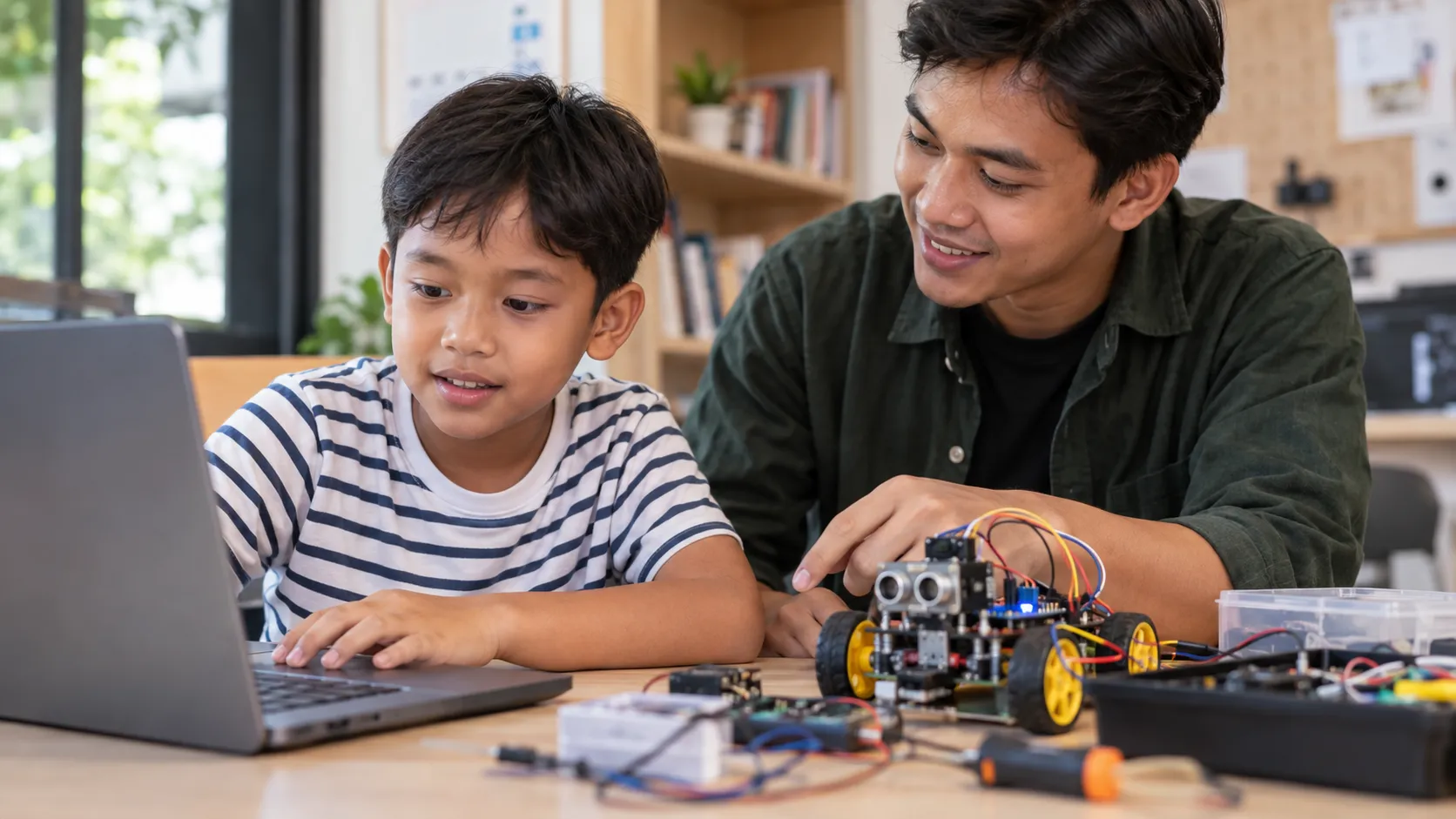
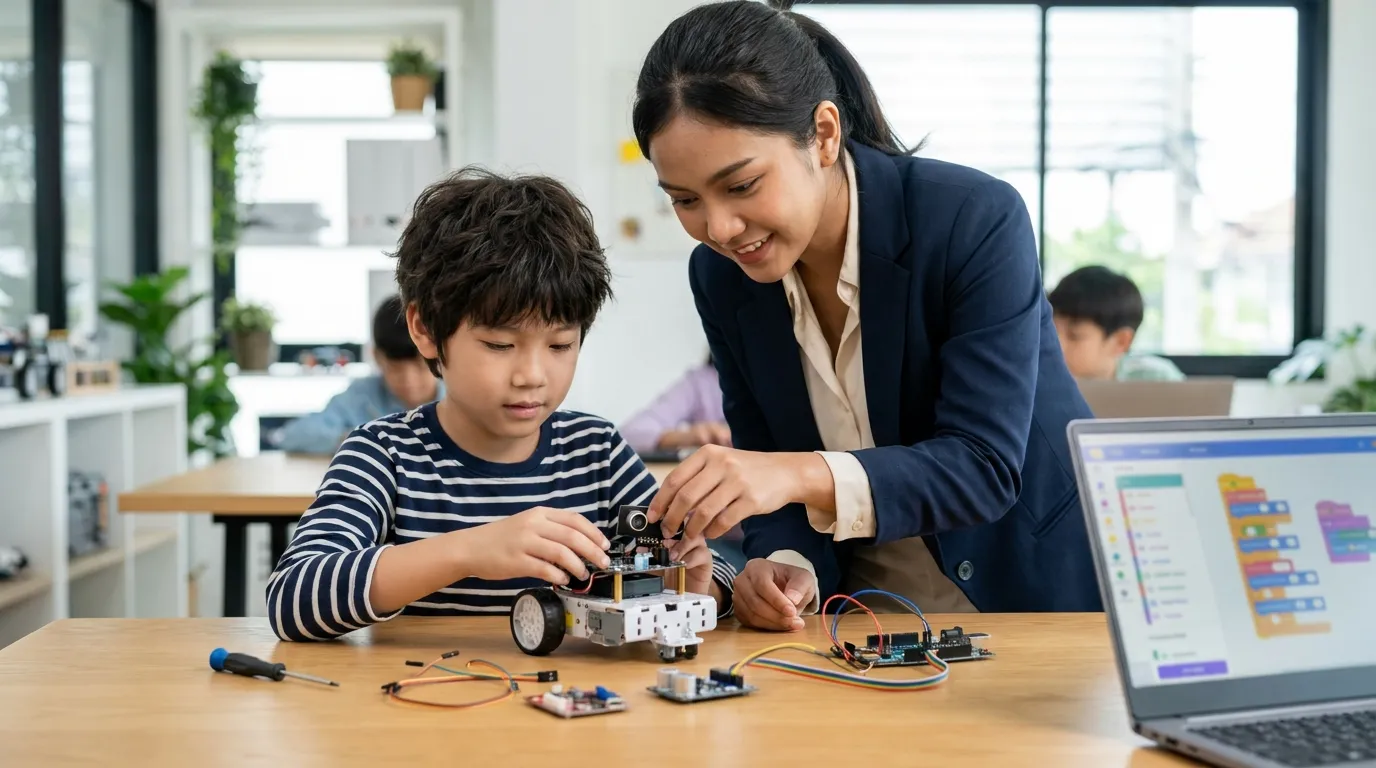
Robotics theory is most effectively understood through direct practice. Make sure the course provides complete, safe robotics kits. By assembling modules, connecting wires or sensors, and testing their own programs, children experience cause and effect firsthand as they see their robots move.
3. Patient, Interactive Mentor Support
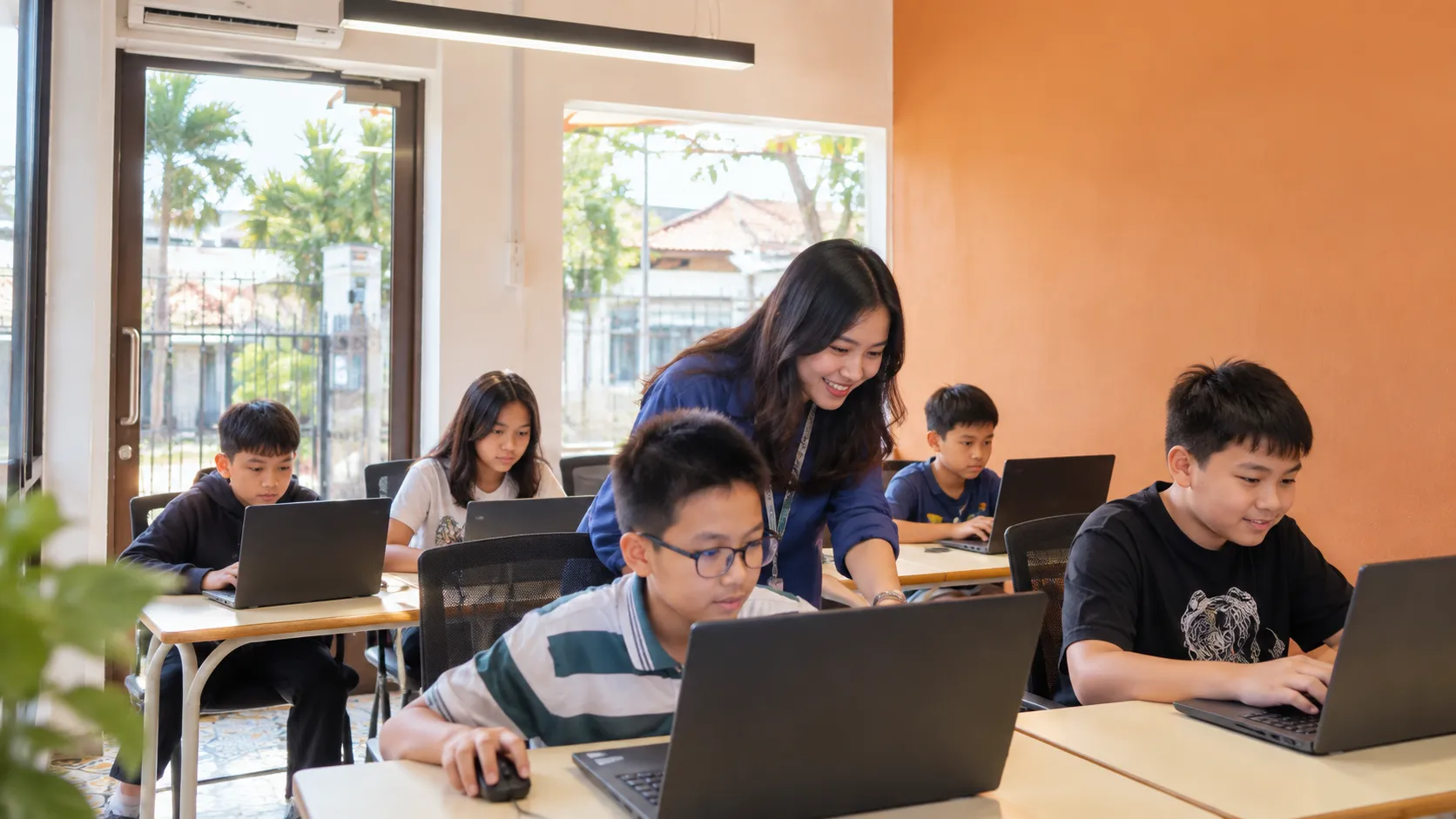
Incorrect wiring and coding errors are common when assembling and programming robots. A teacher who communicates clearly and patiently guides troubleshooting can help children stay motivated and keep looking for solutions.
Skills Developed Through Robotics Learning
Robotics classes offer benefits that extend beyond technical skills:
- Logic and Computational Thinking: Children practice organizing instructions so that a robot carries out commands as intended.
- Creativity and Exploration: Children have space to design robot shapes and mechanisms based on their imagination.
- Perseverance and Problem-Solving: When a robot does not work as planned, children practice investigating errors and making improvements independently.
Practical Steps Before Enrolling Your Child
- Understand Your Child's Interests and Learning Style: Notice whether they are more interested in physical mechanisms, assembly, or programming logic on a computer screen.
- Check the Equipment and Software: Make sure the platforms used are relevant and beginner-friendly.
- Try a Trial Class: Attend a trial class or consultation to observe how the teacher and child interact in the classroom.
Frequently Asked Questions (FAQ)
1. What is the ideal age to start learning robotics?
Children can begin exploring robotics at ages 5–7 through simple building blocks, then progress to assembling electronic modules and coding during elementary school and their teenage years.
2. Does my child need prior coding knowledge?
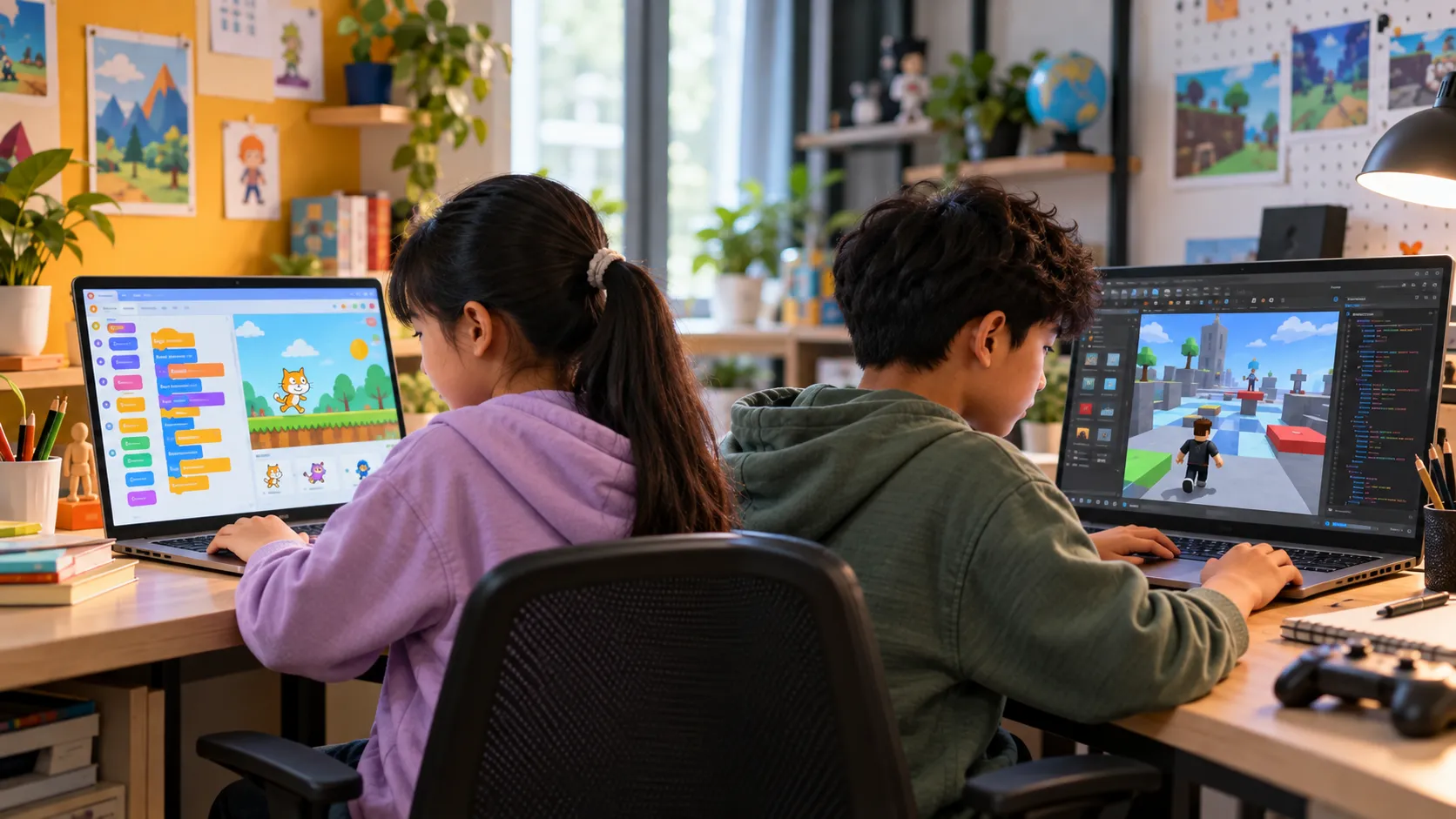
No. Beginner programs start from scratch, introducing basic logic and accessible visual block coding before moving on to more advanced programming.
3. How do robotics courses differ from regular coding courses?
Coding courses focus on creating software such as applications, games, or websites. Robotics courses combine coding logic with physical hardware—motors, sensors, and mechanical components—so the results can interact directly with the real world.
Develop Your Child's Technology Skills With Us
Introducing technology and robotics early is a practical way to help children build skills for the future. With the right guidance, learning science, technology, and logic can feel like an enjoyable adventure.
Interested in helping your child assemble and program their first robot? Explore programs and classes designed for children and teenagers at Koding Akademi. Discuss your child's learning needs and start their technology journey with us at Koding Akademi!