Learning to code means practising how to give a computer specific instructions so it can perform a task. For beginners, coding offers more than a way to build applications or websites. It also develops logical thinking and problem-solving skills while helping you explore career paths in technology.
Why Programming Skills Matter
Programming skills are relevant to roles such as software engineering, data analysis, and web development. Learning to code can help you understand the tools used in these fields and begin building projects that demonstrate your abilities.
With these skills, you can explore opportunities to:
- Build a personal website, blog, or online shop.
- Create mobile or desktop applications that solve practical problems.
- Understand how the digital tools you use every day work.
- Develop skills and a portfolio relevant to your career goals.
Five Starting Points: Programming Languages and Web Technologies
Your first language or technology should match what you want to build. Here are five options to consider.
HTML and CSS
HTML (HyperText Markup Language) defines the structure of a web page, while CSS (Cascading Style Sheets) controls its appearance and layout. HTML is a markup language and CSS is a style sheet language. Both are foundations of front-end web development.
JavaScript
JavaScript adds interactive behaviour to websites. You can use it for transitions, form validation, and features that respond to user actions, such as clicking a button.
Python
Python has readable syntax that many beginners find approachable. It is used for task automation, data analysis, and artificial intelligence development, making it an option for several learning paths.
Java
Java is used in application development, including enterprise systems and some mobile applications. It also provides a way to learn object-oriented programming (OOP), including classes and objects.
C and C++
C and C++ can introduce you to lower-level concepts such as memory management and how programs interact with computer resources. They are used in areas such as systems software and game development, where performance matters. Beginners may need extra time to become comfortable with these concepts.
Practical Strategies for Learning to Code
A structured approach can make your study sessions more focused. Try the following steps as you build your skills.
Set a Clear Goal
Before writing code, decide what you want to create. Are you interested in interactive websites, or would you rather work with data? A specific goal will help you choose a suitable language and learning materials.
Use Visual, Structured Learning Materials
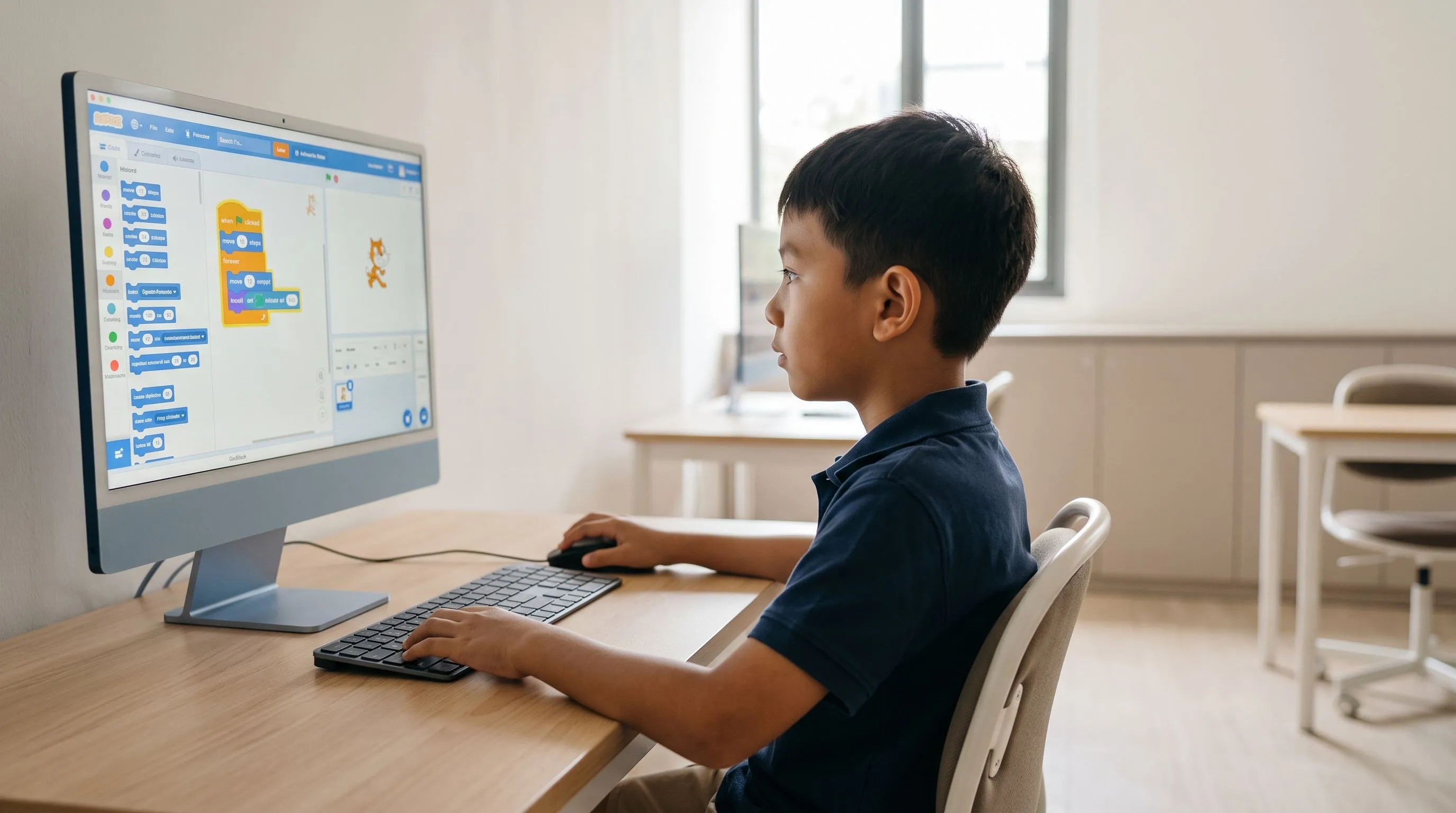
Video tutorials can show you how code is written and run from start to finish. Choose a sequence designed for beginners so each lesson builds on the previous one. Pause to try the examples yourself and check that you understand the results.
Build Small Projects
Put theory into practice by building something manageable. A simple calculator, a to-do list application, or a landing page for your portfolio can help you connect individual concepts into a working project.
Join a Developer Community
Programming groups and discussion forums can help when you get stuck. Ask clear questions, explain what you have tried, and share the relevant code or error message. You can also learn by reading how other beginners solve similar problems.
Consider a Structured Course
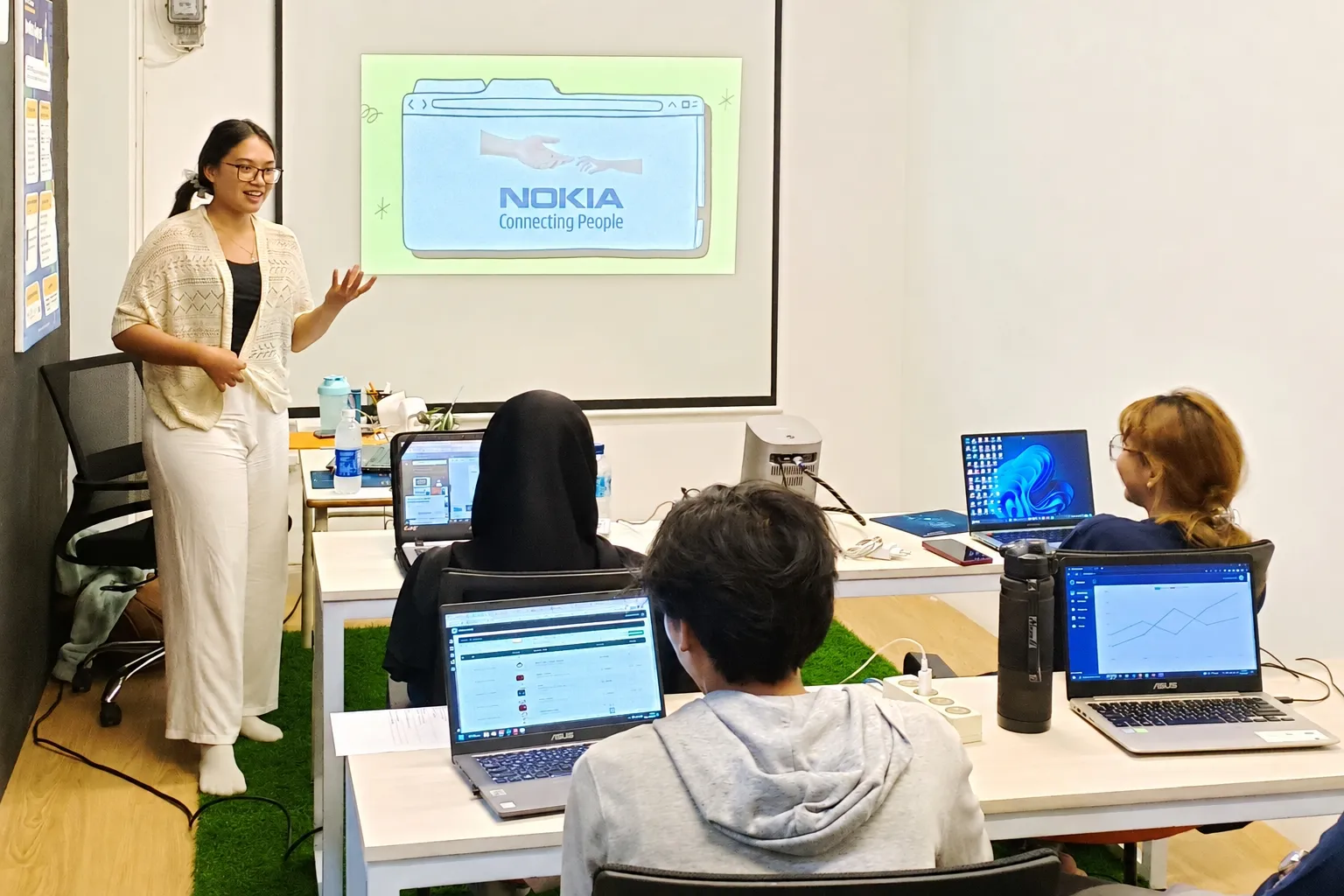
If independent study feels difficult to organise, a course or bootcamp may provide a clearer learning sequence and instructor support. Before enrolling, check the curriculum, prerequisites, project work, and how feedback is provided.
Common Beginner Mistakes to Avoid
Watch out for habits that can make learning harder:
- Rushing past the basics: practise core concepts and programming logic before attempting a complex application.
- Studying inconsistently: set a regular practice schedule that fits your routine. Short, focused sessions can make it easier to keep going.
- Hesitating to ask for help: seek guidance when you have checked the error and cannot work out the next step.
- Skipping documentation: use official documentation to check how a language or tool is intended to work.
- Comparing yourself with experienced developers: measure progress against what you could do previously and the goals you have set.
Frequently Asked Questions (FAQ)
Do I need to be good at maths to learn coding?
Not always. Introductory projects often rely more on logical thinking and problem-solving than advanced maths. The maths you need later will depend on your chosen field and the projects you build.
How long does it take to learn coding from scratch?
It depends on your experience, practice schedule, and learning goals. Three to six months can be a useful planning window for studying fundamentals and building simple projects, but it is not a guarantee of proficiency. Developing confidence with larger projects takes continued practice.
Can I learn programming using only a smartphone?
A smartphone can help you read lessons and try simple code through suitable applications. A laptop or desktop computer is generally more practical for writing, running, and debugging larger projects.
Take Your First Step with Koding Akademi
Learning to code takes patience and regular practice. Start with a clear goal, choose suitable materials, and build your confidence through small projects. Review mistakes as part of the learning process and ask for help when you need it.
If you would like guidance, explore coding and robotics courses at Koding Akademi. Ask the team about beginner classes, the curriculum, and instructor support to find an option that suits your learning goals.